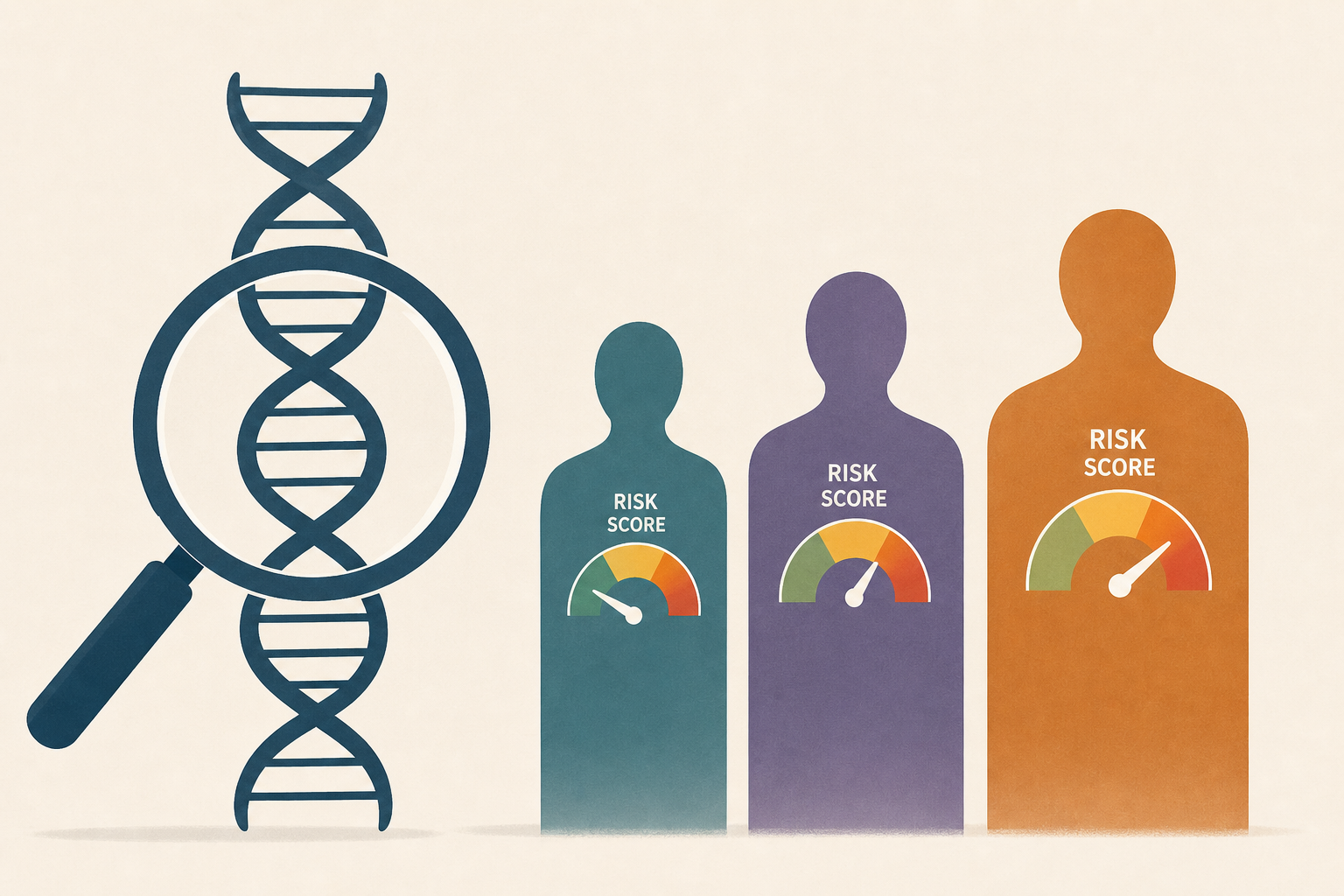
AI Generated Image
The Best Genetic Risk Tools Don’t Work Equally for Everyone
The New York Times • • health
Key Points:
- The National Institutes of Health has created the world’s largest database of human genomes to advance personalized medicine, particularly through the All of Us program.
- Scientists are developing polygenic risk scores from this genomic data to predict individuals' likelihood of developing complex diseases such as cardiovascular disease and breast cancer from infancy.
- A significant issue is that these risk prediction tools are primarily based on DNA from people of European descent, leading to inaccurate assessments for people of color and potentially exacerbating health disparities.
- Researchers are working to improve these tools by enhancing modeling techniques and increasing minority group participation to ensure equitable and effective disease risk predictions.
- Experts emphasize the urgency of addressing these biases to prevent worsening healthcare inequalities and to fulfill the promise of genomics in reducing chronic disease.


