AI Image
The signs you may be iron deficient
CNN • • health
Key Points:
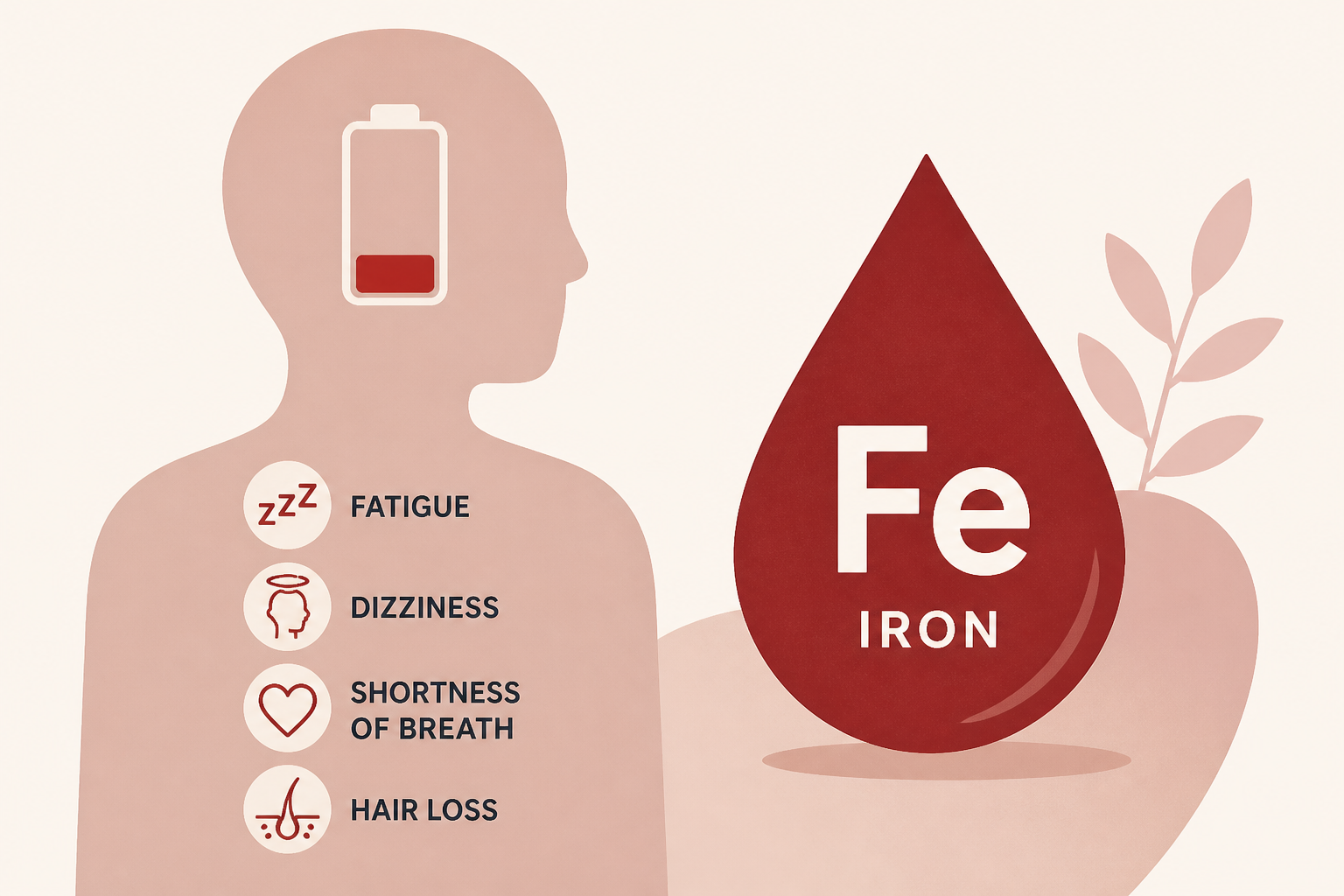
- Nearly one-third of U.S. adults may be iron deficient, with many experiencing symptoms like fatigue and brain fog for months before diagnosis, according to a 2024 study and the American Society of Hematology (ASH).
- Iron deficiency can cause symptoms even without anemia, which is characterized by low red blood cells; standard blood tests often miss iron deficiency if anemia has not developed.
- New ASH guidelines recommend higher ferritin cutoff levels for diagnosing iron deficiency—20 ng/mL for children, 30 ng/mL for most adults, and up to 100 ng/mL for those with inflammatory conditions—to improve early detection and treatment.
- High-risk groups for iron deficiency include women with heavy menstrual bleeding, children, pregnant people, individuals with gastrointestinal conditions, and endurance athletes, while common causes include blood loss and absorption issues rather than diet alone.
- Ferritin testing is advised for people with unexplained fatigue or other symptoms, as oral iron supplements can improve symptoms quickly, but identifying the underlying cause of deficiency is essential for effective treatment.


