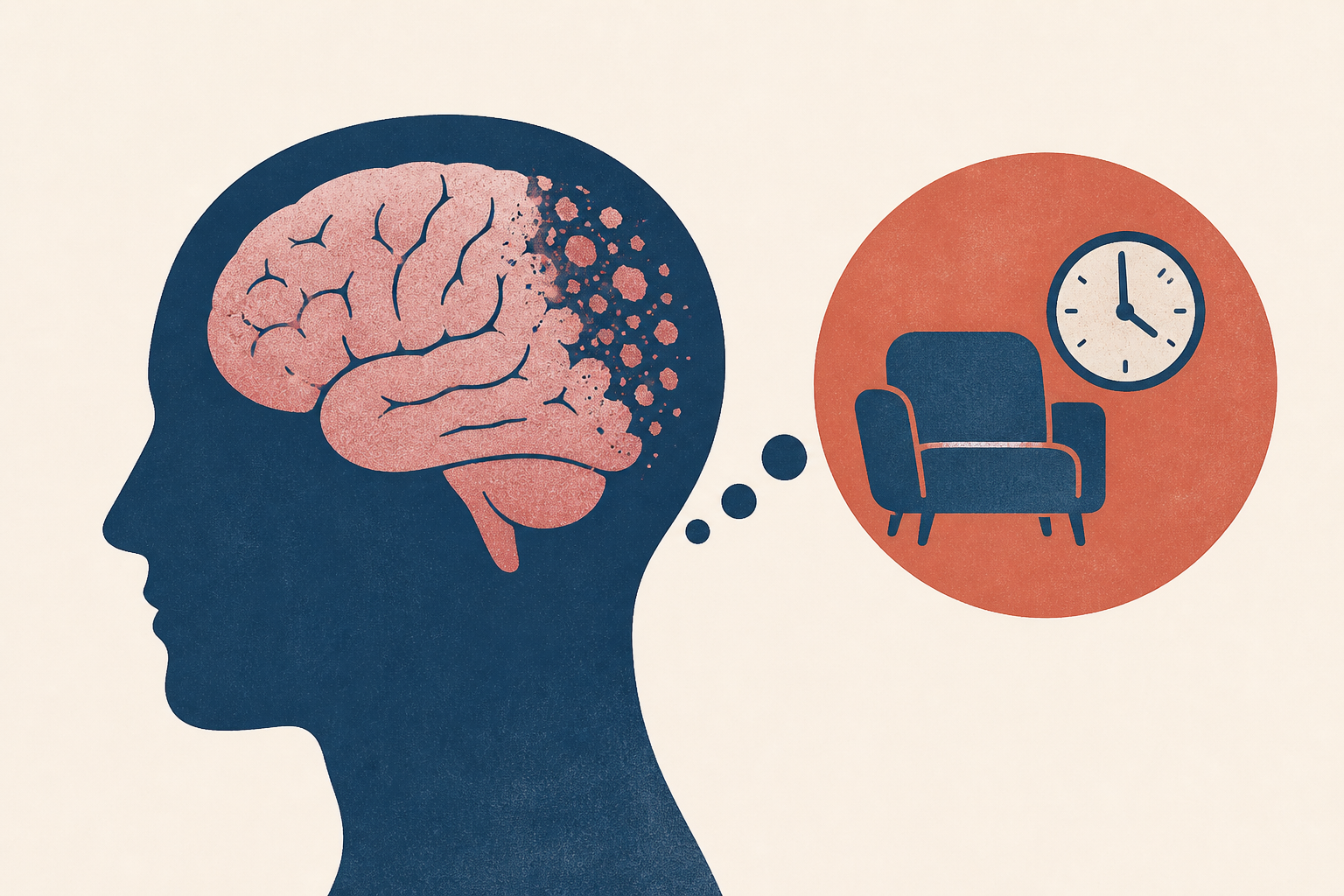
AI Generated Image
This 1 Common Behavior In Midlife May Shrink Your Brain
AOL.com • • health
Key Points:
- A University of Southern California study published in Alzheimer's & Dementia found that frequent TV watching in midlife is linked to smaller memory-related brain regions and more brain damage later in life, increasing risks of cognitive decline and dementia.
- The study analyzed data from about 1,700 adults over 20 years, revealing that those who watched TV "very often" had reduced volumes in the frontal and occipital lobes, areas critical for executive function and visual processing.
- Unlike other sedentary activities, TV viewing is a passive behavior often associated with prolonged sitting, unhealthy snacking, and less social interaction, which may contribute to its negative impact on brain health.
- Researchers caution that the observational nature of the study means causation cannot be confirmed, and self-reported sitting time may introduce inaccuracies; they suggest future studies with wearable devices and brain imaging to explore if reducing TV time benefits brain health.
- The findings highlight the importance of engaging in more cognitively stimulating activities during sedentary periods to potentially help preserve brain function as people age.


