AI Image
This New Research About Microplastics Is Pretty Damn Scary
Futurism • • health
Key Points:
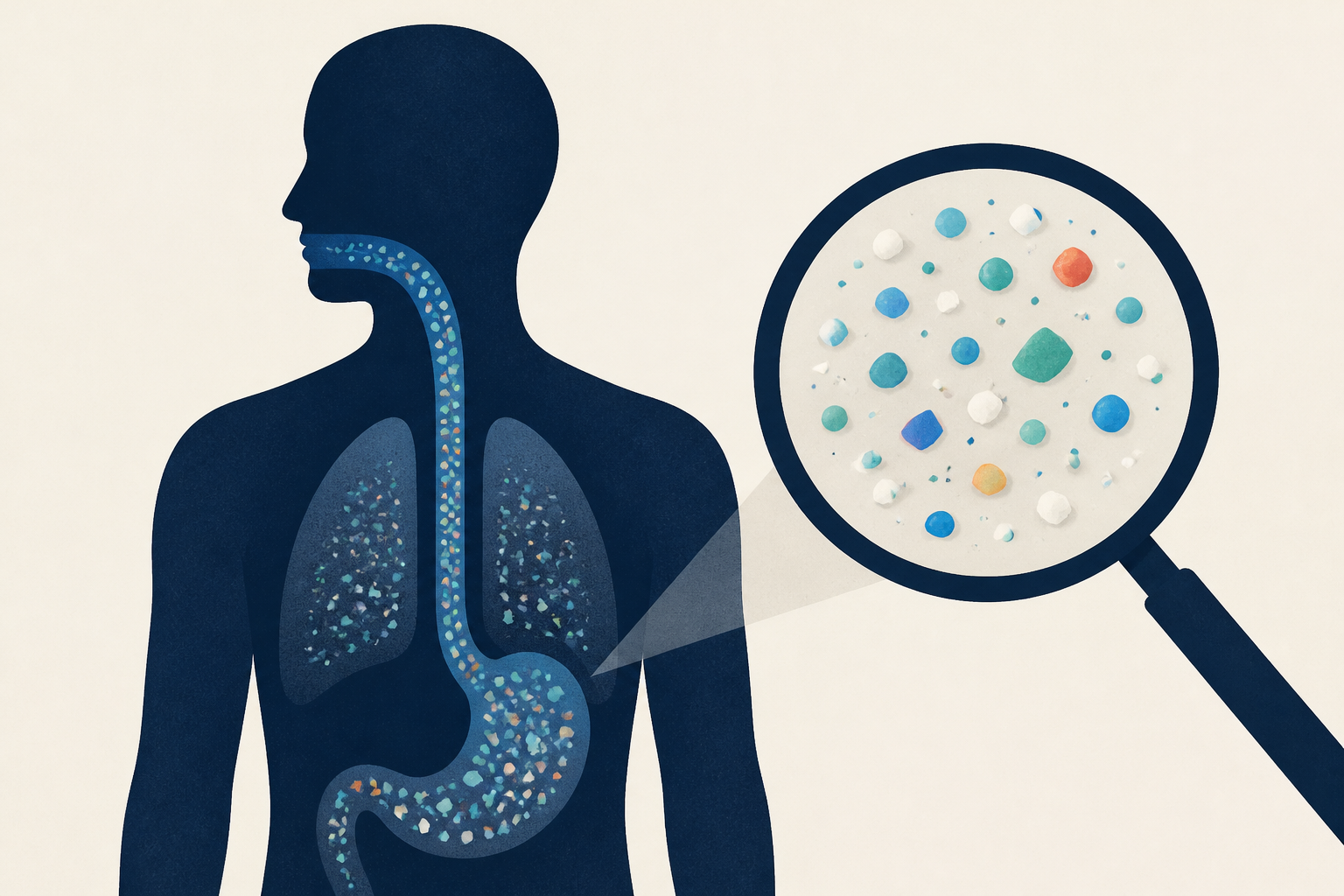
- New research published in Nature reveals that consumer-grade microplastics exhibit chemical reactivity in water-rich environments like the human body, challenging the belief that plastics are chemically inert.
- The study found that as plastics fragment into smaller particles, their increased surface area generates reactive radicals that may contribute to biological damage in animals and potentially humans.
- Previous findings showed bottled water contains over 240,000 microplastic particles per liter, indicating widespread exposure to chemically active microplastics.
- Plastics are deeply embedded in the food supply chain, with food packaging alone accounting for 40% of global plastic production, making it difficult for consumers to avoid microplastic contamination.
- The research highlights urgent environmental and health concerns, emphasizing the need for solutions to reduce microplastic exposure in food production and distribution.


