AI Generated Image
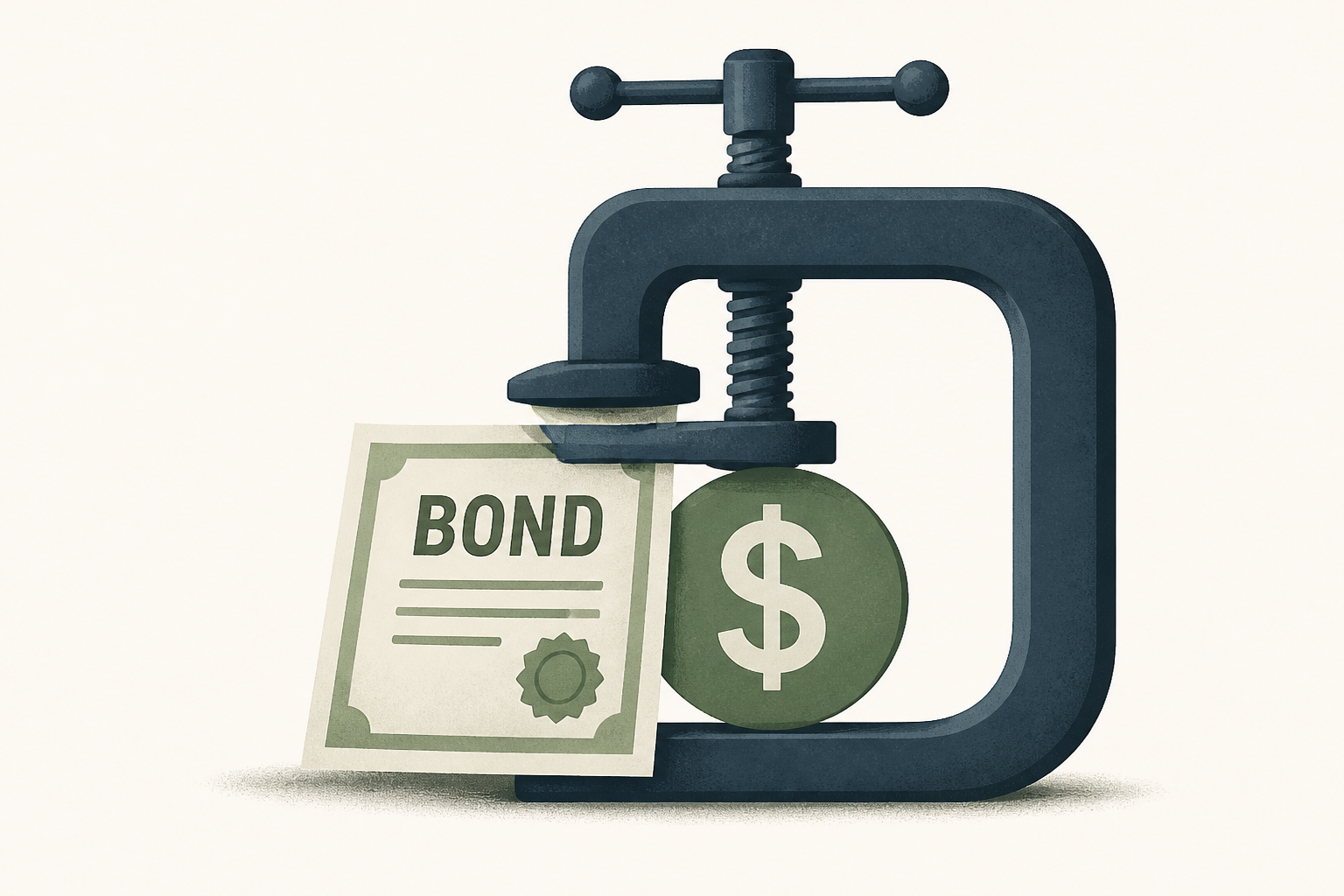
Treasury's recent moves in the bond and currency markets add up to 'soft-form financial repression'
Fortune • • general
Key Points:
- The U.S. Treasury Department has recently intervened in bond and currency markets, including increasing buybacks of long-term bonds to address rising 30-year yields, while avoiding selling Treasury securities to prevent further yield increases.
- The U.S. and Japan jointly acted to support the yen by selling euros and using the Federal Reserve's FIMA facility, allowing Japan to borrow dollars against its Treasury holdings without selling Treasuries.
- Experts describe these actions as forms of financial repression aimed at containing long-term U.S. Treasury yields, a strategy historically used by governments during periods of high debt to keep interest rates artificially low.
- Suppressing Treasury yields may weaken the U.S. dollar as foreign investors adjust currency values, and market watchers expect the Federal Reserve to respond, potentially tightening monetary policy to offset eased financial conditions.
- With the federal budget deficit growing and little political will to reduce spending or increase taxes, analysts predict more financial repression measures ahead, which has already fueled increased demand for gold and bitcoin amid fears of dollar devaluation.


