AI Image
Trump census plan to cut noncitizens from 2030 count legal fight
CNBC • • nation
Key Points:
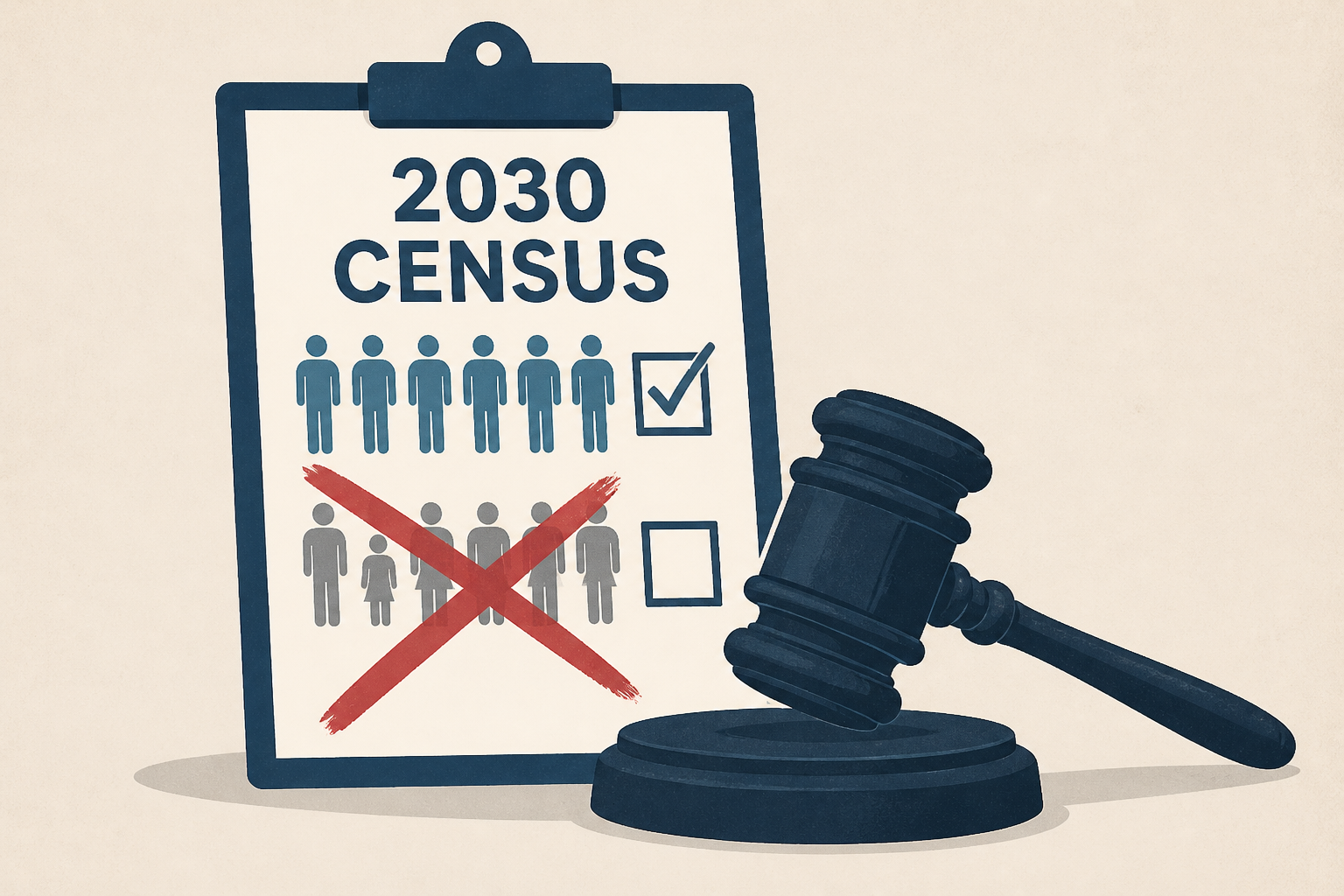
- The Trump administration has proposed a census rule to exclude noncitizens without permanent resident status from the population count, which could alter congressional representation and reduce federal funding for programs like education and healthcare.
- Critics argue the proposal violates the 14th Amendment, risks undercounting immigrant populations, and could shift political power to states with fewer immigrants, while supporters claim counting all immigrants encourages illegal immigration.
- The rule would exclude millions of noncitizens including those on student visas, temporary protected status, refugees, and asylum seekers, and would also remove race and ethnicity questions from the census short form, impacting civil rights enforcement.
- Republican lawmakers have introduced legislation to exclude noncitizens from apportionment and add citizenship questions to future censuses, aiming to reshape congressional maps in favor of states with more citizens.
- Any changes made by the administration would be difficult to reverse before the 2030 census, and the complex rule-making process means that even a future Democratic administration would face challenges in undoing the exclusion policy.


