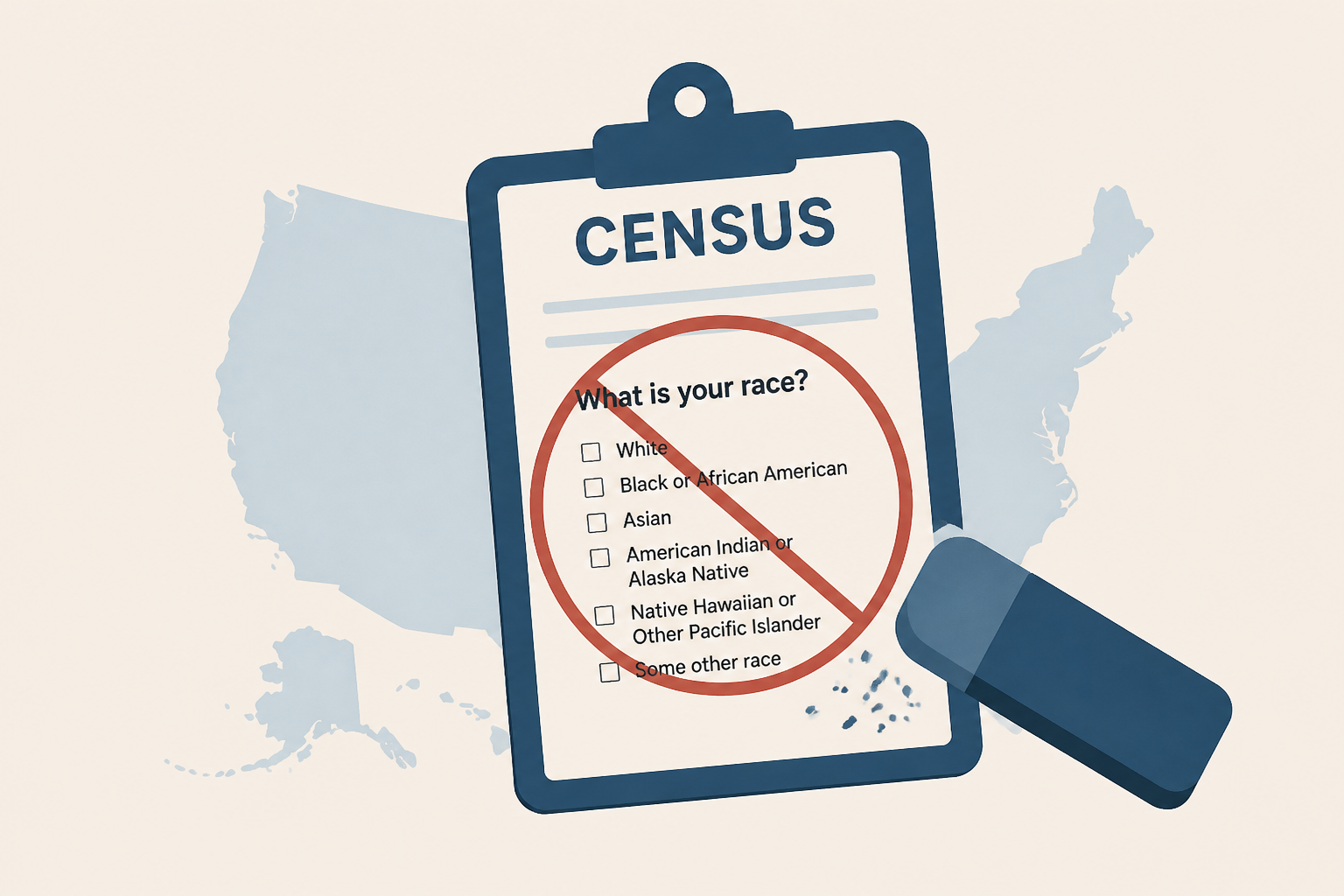
AI Generated Image
Trump proposes altering census, stopping race question : NPR
npr.org • • nation
Key Points:
- The Trump administration has proposed significant changes to the 2030 U.S. census, including excluding non-U.S. citizens without green cards from population counts used for congressional apportionment and Electoral College votes, which could face legal challenges and constitutional issues.
- The proposal also seeks to eliminate questions about race and ethnicity from the census, a practice in place since 1790, raising concerns among civil rights advocates about the impact on redistricting, Voting Rights Act enforcement, and anti-discrimination policies.
- Additionally, the administration plans to ban questions about sexual orientation on the census, reversing earlier efforts to collect data that could aid protections for LGBTQ+ individuals.
- These changes come amid ongoing political battles over census data use, with some GOP lawmakers and states supporting efforts to exclude noncitizens, potentially shifting political power toward older, whiter rural areas.
- The administration's moves also affect federal standards for racial and ethnic data revised under the Biden administration, with delays and pushbacks on implementing new combined race and ethnicity questions that aim to better reflect Americans' identities.


