AI Image
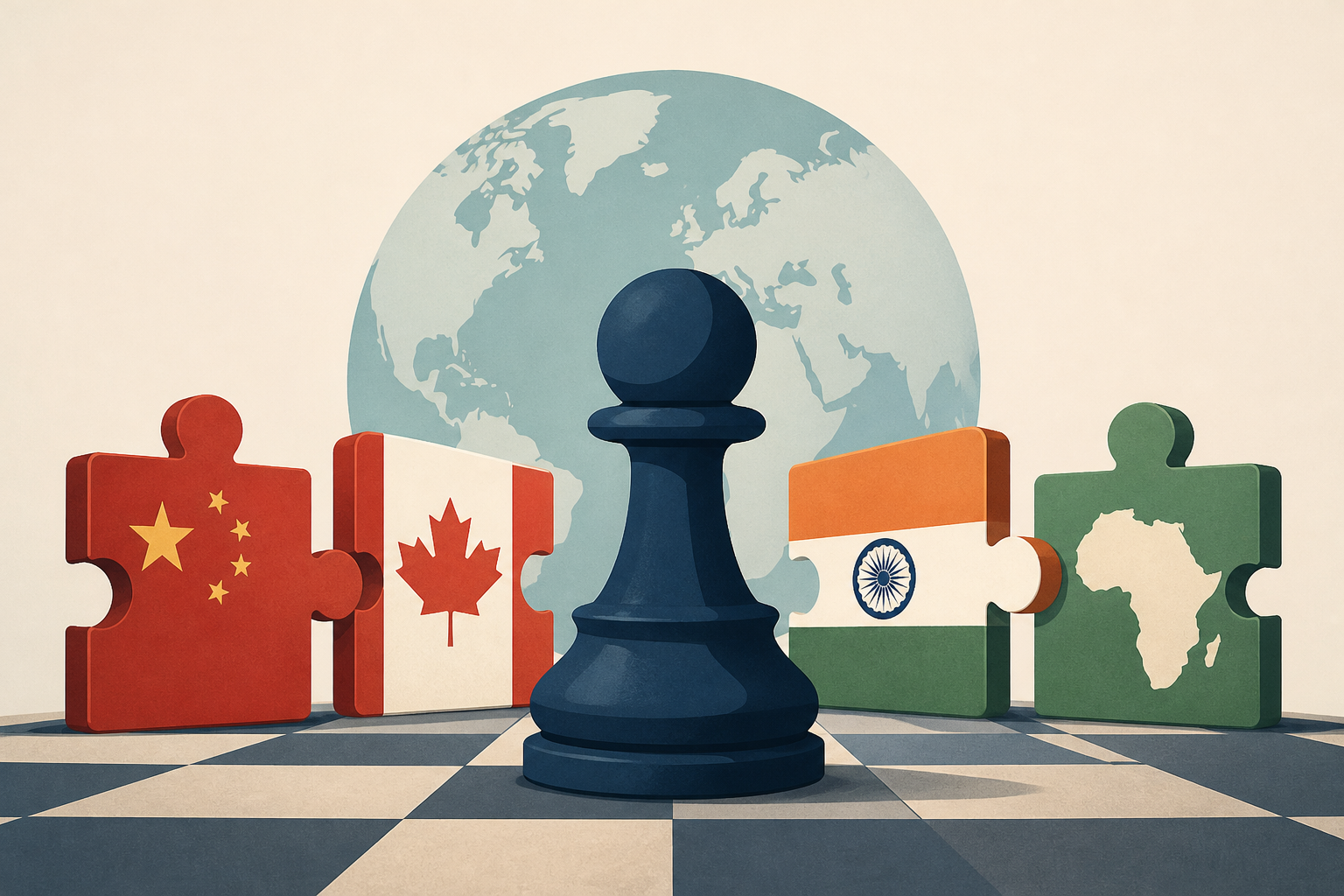
Trump's midterm defeat gives China, Canada, India and Africa's largest economy fresh leverage in US trade talks
Business Insider Africa • • world
Key Points:
- In the November 3 midterm elections, Democrats regained control of both the US Senate and House, winning key Republican strongholds amid economic challenges such as inflation driven by high energy costs and trade tensions.
- The shift in Congressional power is expected to weaken former President Trump's trade agenda, encouraging countries like China to push for tariff relief and more favorable trade terms as the temporary US-China trade truce nears expiration in 2027.
- Canada signaled a willingness to delay trade negotiations until after Trump's presidency, seeking better market access and tariff reductions, with potential support from Democratic lawmakers critical of existing tariffs on Canadian goods.
- India may leverage the Democratic-controlled Congress to resist further tariff concessions to the US, as ongoing negotiations to reduce tariffs on Indian products remain incomplete and politically sensitive on both sides.
- South Africa faces the loss of preferential trade access under the African Growth and Opportunity Act starting in 2027, but President Cyril Ramaphosa expressed optimism that the Democratic victory could lead to improved US-South Africa relations and renewed trade and investment discussions.


