AI Generated Image
Turmeric is good. That doesn’t mean you need supplements.
Yahoo Health • • health
Key Points:
- Turmeric, commonly used as a spice, has gained popularity as a supplement for its purported anti-inflammatory benefits, especially among midlife and perimenopausal women, but it can interfere with certain medications like tamoxifen used in breast cancer treatment.
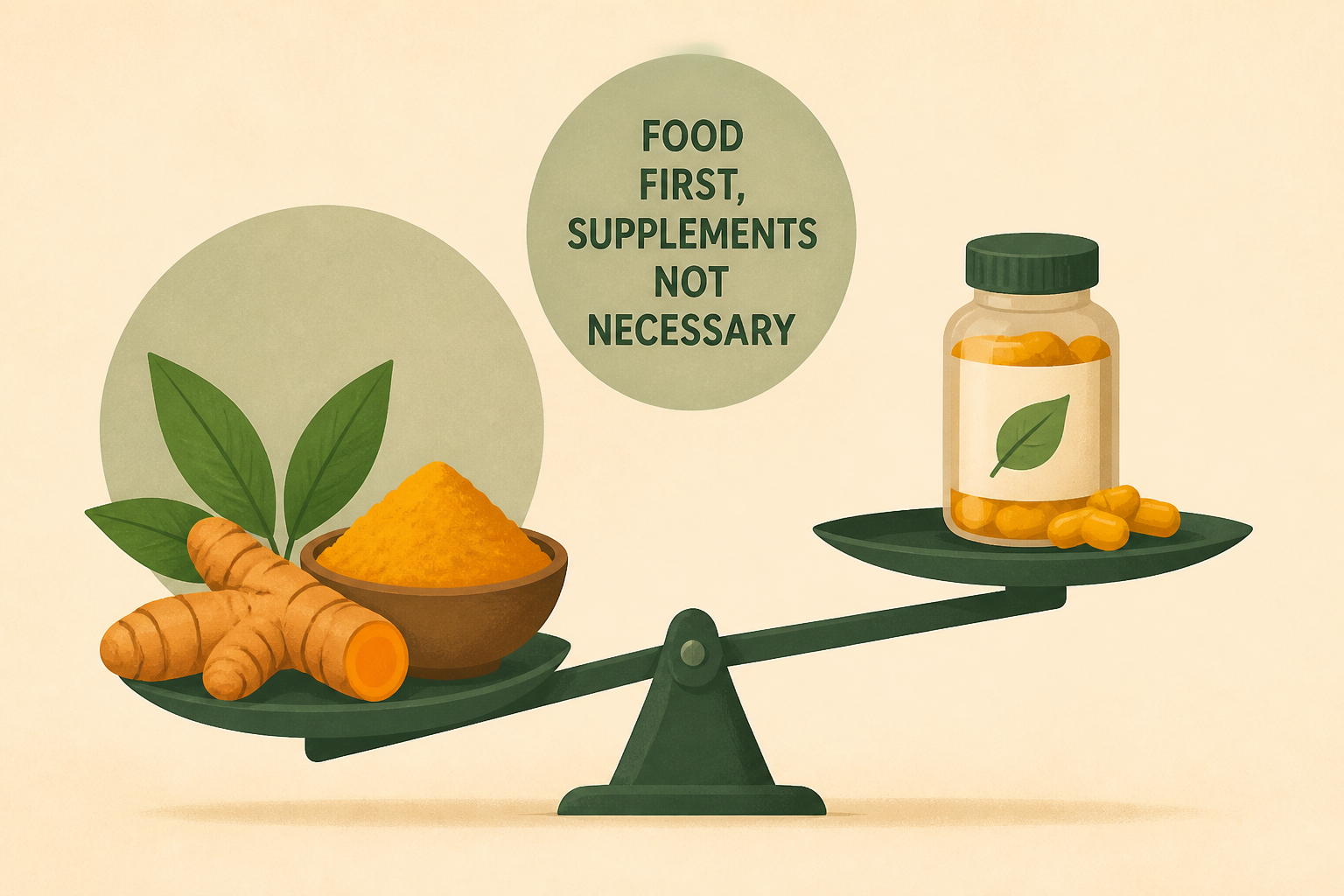
- Experts emphasize that turmeric's benefits are more reliably obtained through food rather than supplements, as supplements contain concentrated curcumin and additives like piperine that can affect drug absorption and may pose risks when taken with multiple medications.
- Research supports turmeric's anti-inflammatory effects primarily in the context of rheumatoid arthritis, but claims of it being a cure-all or a "miracle pill" lack substantial scientific backing and often ignore the complex nature of healthy aging.
- Supplements are not regulated as strictly as pharmaceuticals, raising concerns about contamination and misleading marketing, especially from influencers promoting turmeric as a longevity aid without sufficient evidence.
- Health professionals recommend focusing on overall lifestyle patterns—balanced diet, physical activity, sleep, and social connections—for healthy aging, and using turmeric within traditional culinary contexts rather than relying on supplements.


