AI Image
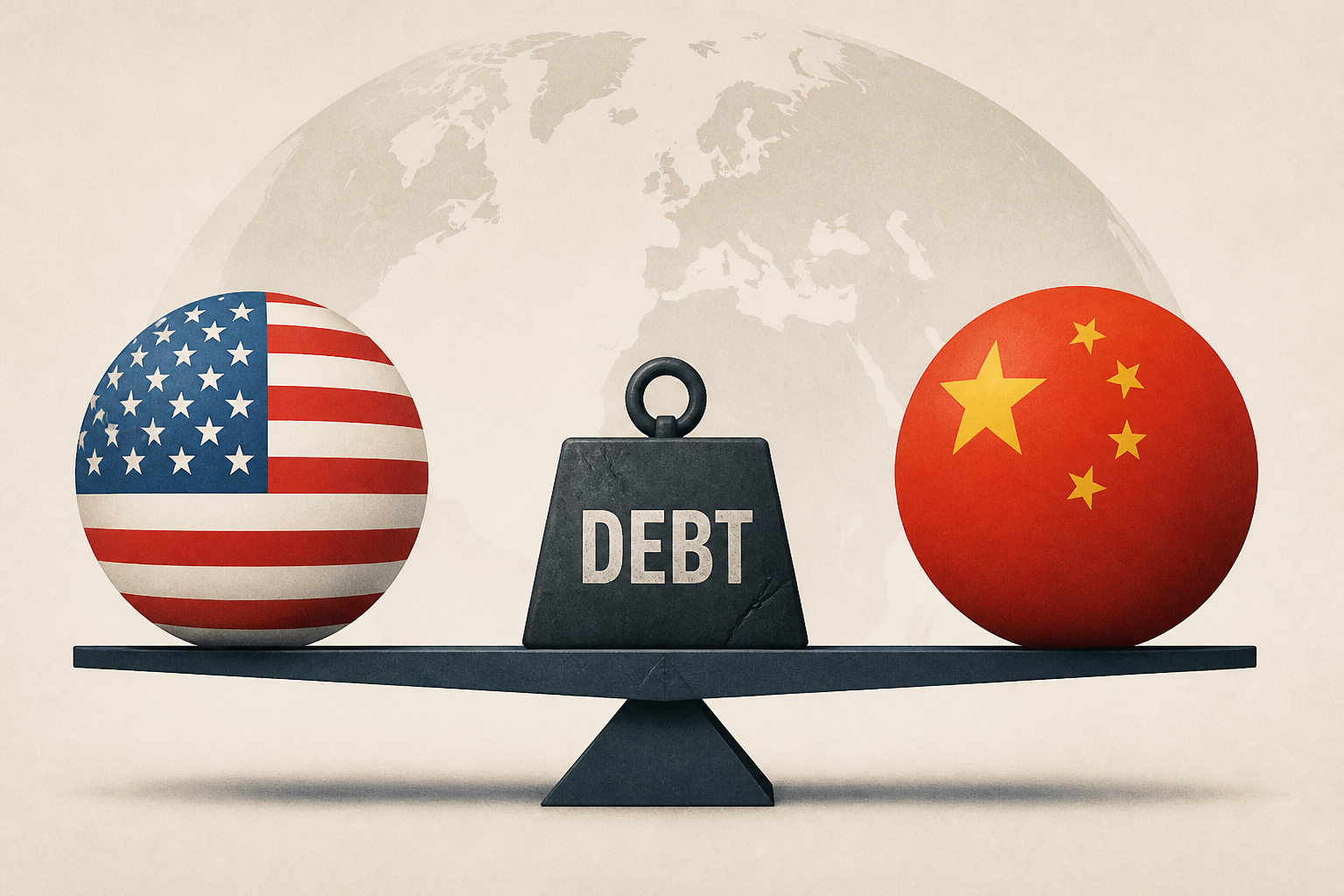
U.S.-China rivalry and government debt loom large
CNBC • • world
Key Points:
- Brazil's presidential election on Sunday features a tight race between incumbent Luiz Inácio Lula da Silva and Flávio Bolsonaro, with a potential runoff scheduled for October 25 if no candidate secures over 50% of votes.
- Lula's center-left Workers Party focuses on social programs and sovereignty, while Bolsonaro supports privatization, spending cuts, and closer alignment with the U.S., reflecting contrasting geopolitical and economic policies.
- The election outcome is significant for regional geopolitics, influencing Brazil's relations with the U.S. and China, especially given Brazil's critical mineral reserves and status as China's main trade partner.
- Brazil faces economic challenges including high public debt (82.9% of GDP), a large budget deficit (9.48% of GDP), and inflation above 4%, raising investor concerns about fiscal discipline under the next administration.
- Market analysts suggest fiscal adjustment is necessary regardless of the winner, with potential for rate cuts and continued support for the Brazilian real, but caution against abrupt fiscal tightening due to weak economic growth projections.


