AI Image
US debt limit will arrive soon, and X-date could get 'uncomfortably close' when Congress is on break
Fortune • • business
Key Points:
- Bank of America analysts now estimate the U.S. could reach its debt ceiling as early as February, earlier than the previous May forecast, with only $557 billion of borrowing capacity remaining under the limit.
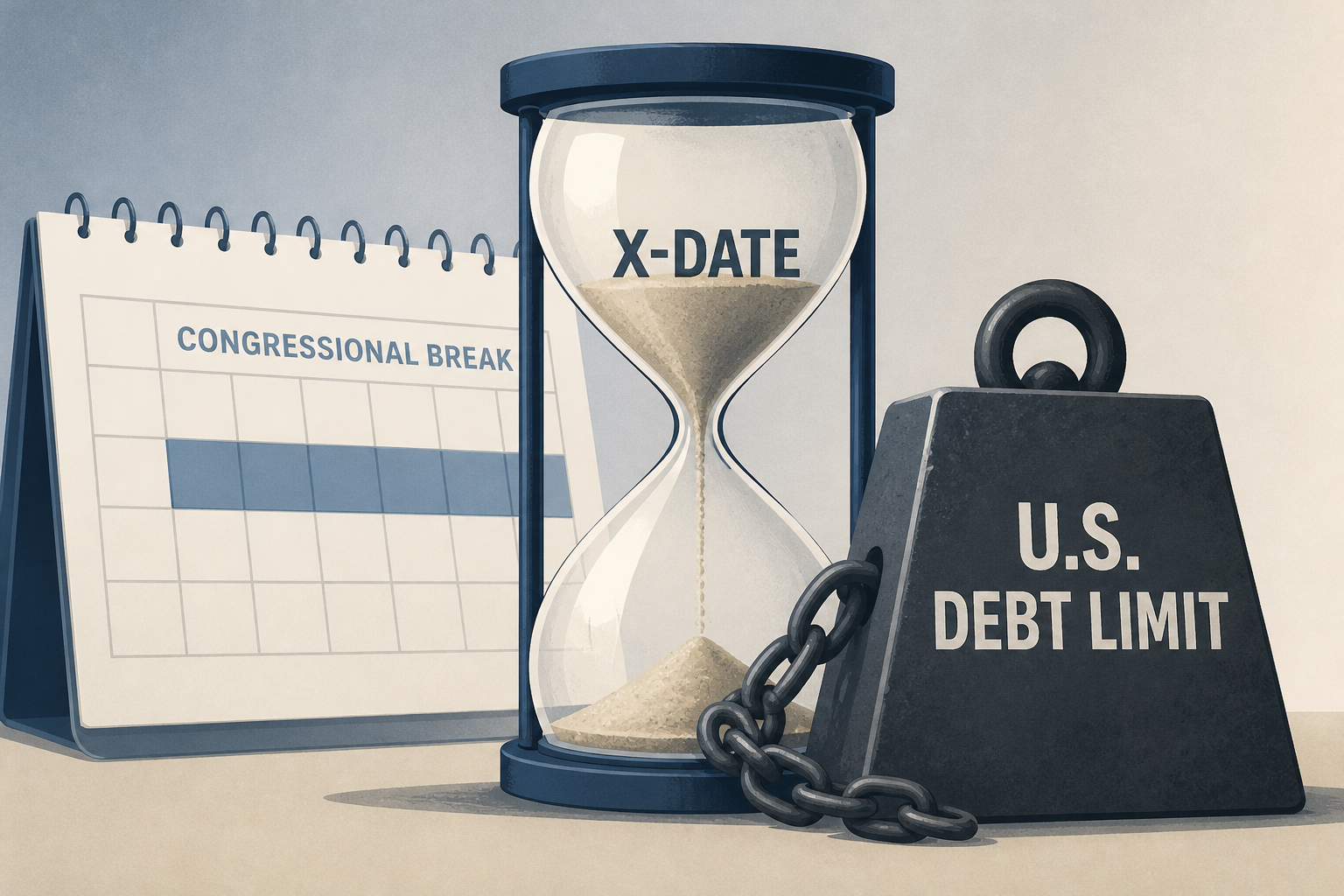
- The Treasury can use “extraordinary measures” to temporarily manage payments after hitting the ceiling, but the critical “X-date”—when default becomes imminent without congressional action—is projected around November 2027, with risks of strain as early as August 2027.
- An August X-date would be challenging due to Congress’s typical summer recess, though lawmakers can be called back to raise the ceiling; however, political brinkmanship often complicates such negotiations.
- Following Democrats’ recent midterm election gains and control of Congress, debt ceiling discussions may involve demands for increased funding on social programs, competing with rising mandatory debt-servicing costs that now surpass major federal budgets like the Pentagon and Medicaid.
- If the debt ceiling isn’t raised by year-end, markets could face a prolonged standoff in 2027, increasing risks of credit downgrades, market volatility, and financial disruptions as Treasury exhausts cash reserves and extraordinary measures.


