AI Generated Image
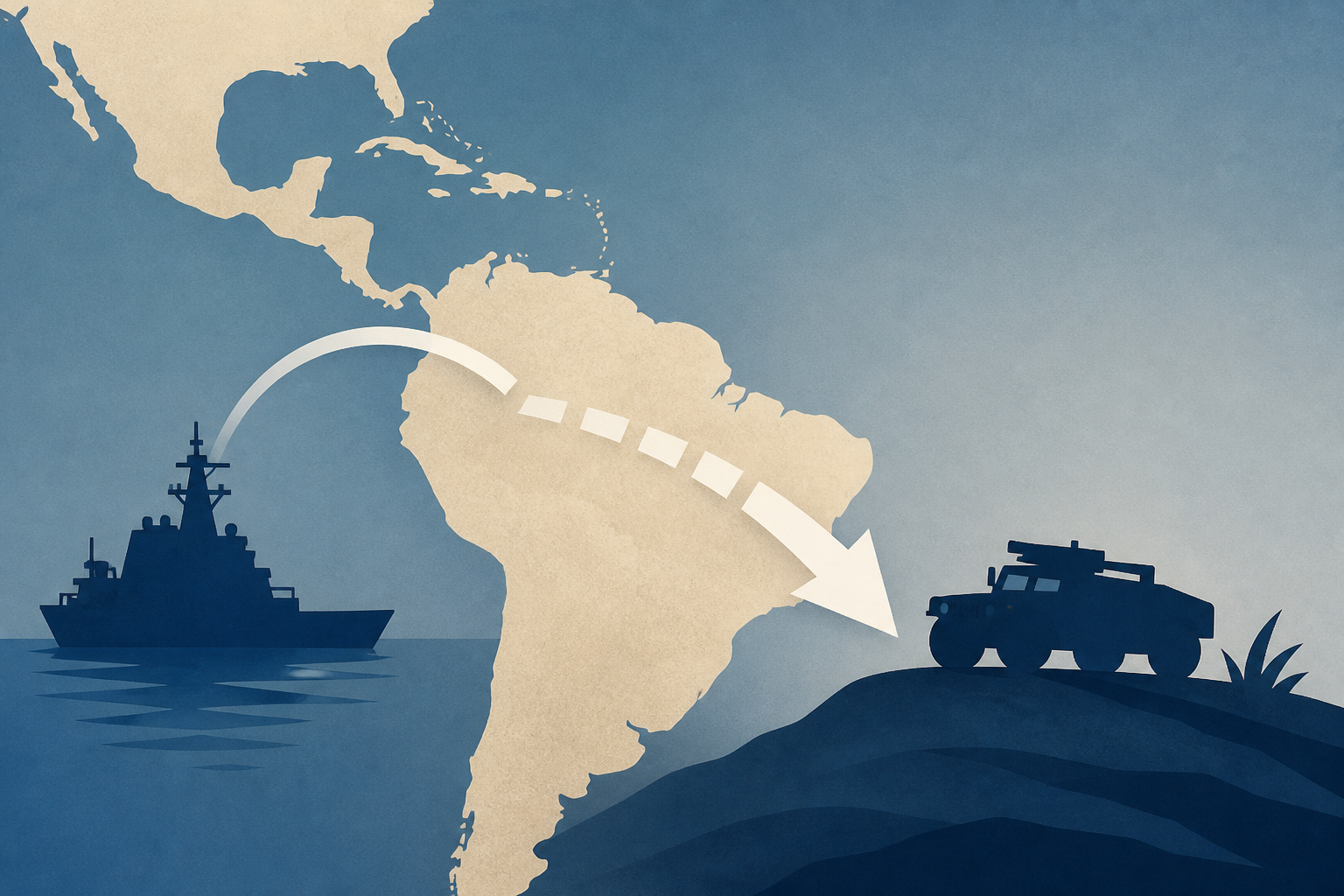
US military expands anti-cartel operations in Latin America from sea to land
AP News • • nation
Key Points:
- The U.S. military, under the Trump administration, is expanding its anti-drug campaign in Latin America from bombing suspected drug boats to pursuing joint ground operations with allied countries including Colombia, Ecuador, Guatemala, and Honduras, although Guatemala denies such an agreement.
- This shift represents a more interventionist U.S. approach in the region, aiming to combat designated criminal groups on land, with Colombia's new government reportedly requesting increased U.S. military involvement against groups like the ELN guerrillas.
- Critics warn the expanded U.S. military presence risks civilian casualties, sovereignty issues, and potential backlash, noting that many Latin American governments, even conservative allies, may be reluctant to fully cede control to U.S. forces.
- Ecuador has already engaged in joint raids with the U.S. despite public opposition to foreign military bases, while Mexico, a key drug transit country, resists U.S. military involvement despite cooperating on security matters.
- Experts caution that militarized strategies may not yield lasting security improvements, as armed groups adapt tactics, and public opinion in host countries may limit how much sovereignty governments are willing to sacrifice for security gains.


