Venezuela’s civil-military alliance is being stretched - if it breaks, numerous armed groups may be drawn into messy split
The Conversation••nation
Key Points:
- Delcy Rodríguez was sworn in as interim president of Venezuela on Jan. 5, 2026, following Nicolás Maduro’s abrupt removal, but the country remains politically unstable due to competing interests within a fragile civil-military alliance committed to Chavismo.
- The civilian Rodríguez siblings favor pragmatic, market-oriented policies, while military leaders like Diosdado Cabello and Vladimir Padrino López prioritize economic controls benefiting crony capitalism and uphold anti-imperialist nationalism, creating potential fault lines within the ruling elite.
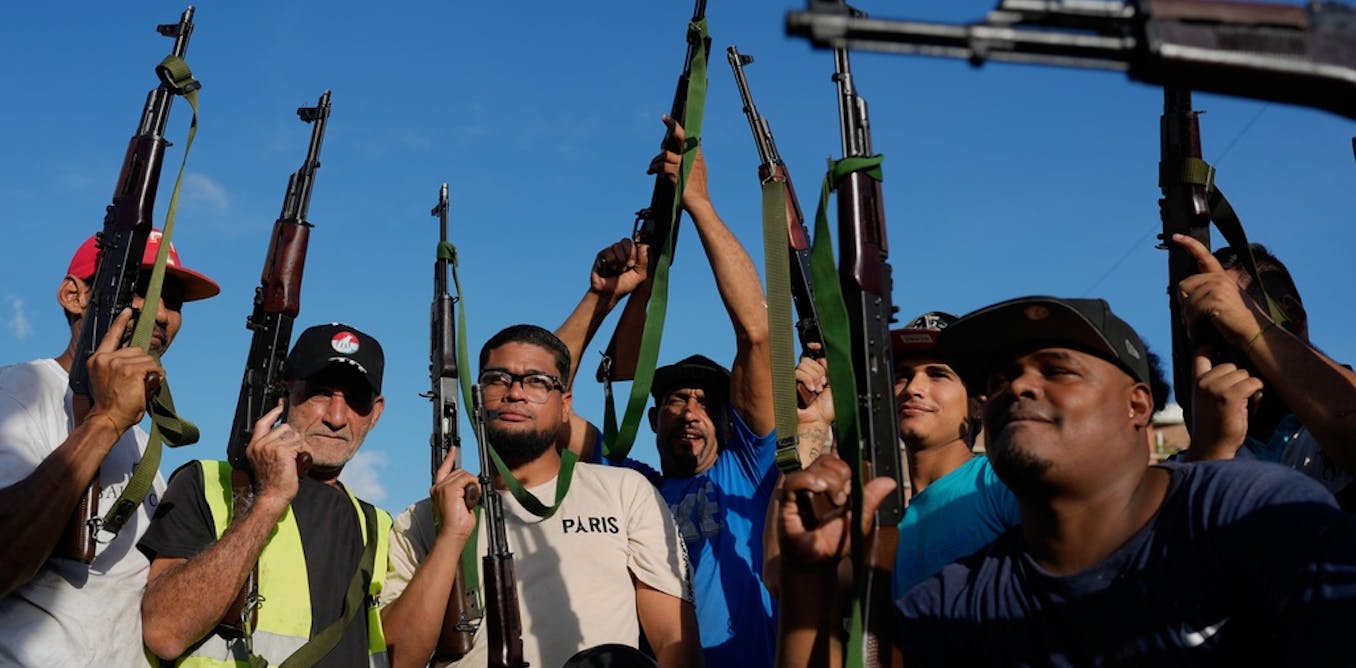
- Armed colectivos, a diverse and heavily armed network of groups with varying loyalties, could escalate guerrilla violence if they perceive Chavista leadership as betraying anti-imperialist ideology by yielding to U.S. pressure.
- A rupture



:max_bytes(150000):strip_icc()/GettyImages-22400154171-19eb2573d96647f8894478942b5721be.jpg)