AI Image
Watch a Bee’s Stinger Keep Pumping Venom After the Bee Is Gone
Gizmodo • • science
Key Points:
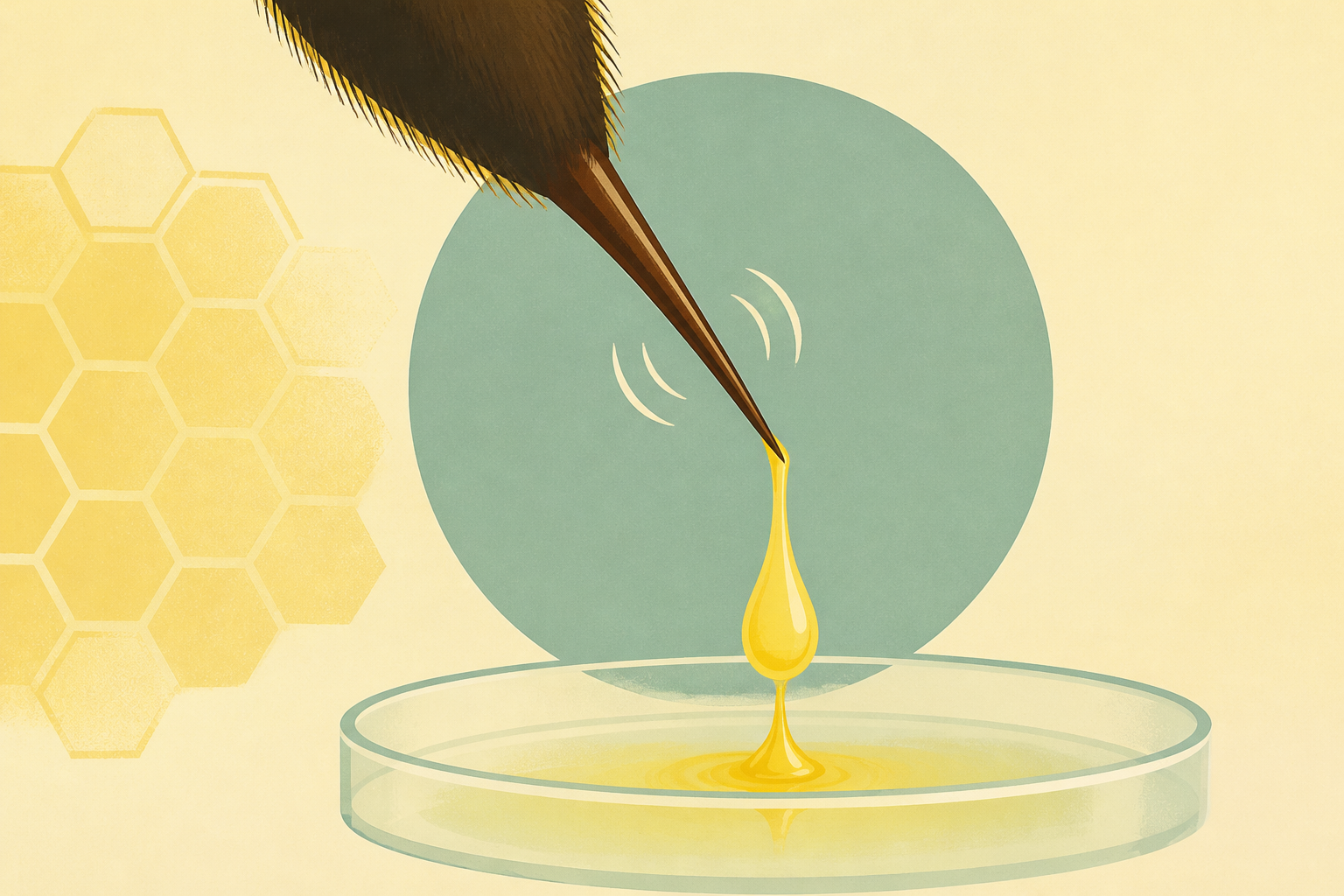
- Australian researchers used high-speed cameras to capture detailed footage of honeybee stingers injecting venom into a clear gel mimicking human skin, revealing the stinger's unique dual-piston pumping mechanism.
- Unlike most venomous animals that use muscle contractions to deliver venom, honeybee stingers break off after piercing skin and autonomously pump venom through two alternating valves acting as pistons, ensuring continuous venom flow.
- The study, published in PNAS, also involved creating a mechanized model of the stinger to validate observations, shedding light on the complex internal movements within the stinger during venom delivery.
- Researchers suggest that the honeybee's dual-piston pumping system could inspire new designs for medical devices and micro-pumps requiring continuous liquid flow, highlighting the potential for biomimicry in engineering.
- Beyond stingers, the adaptable properties of insect cuticles may also inform future materials science and manufacturing, as scientists explore replicating these natural features in manmade devices.


