AI Generated Image
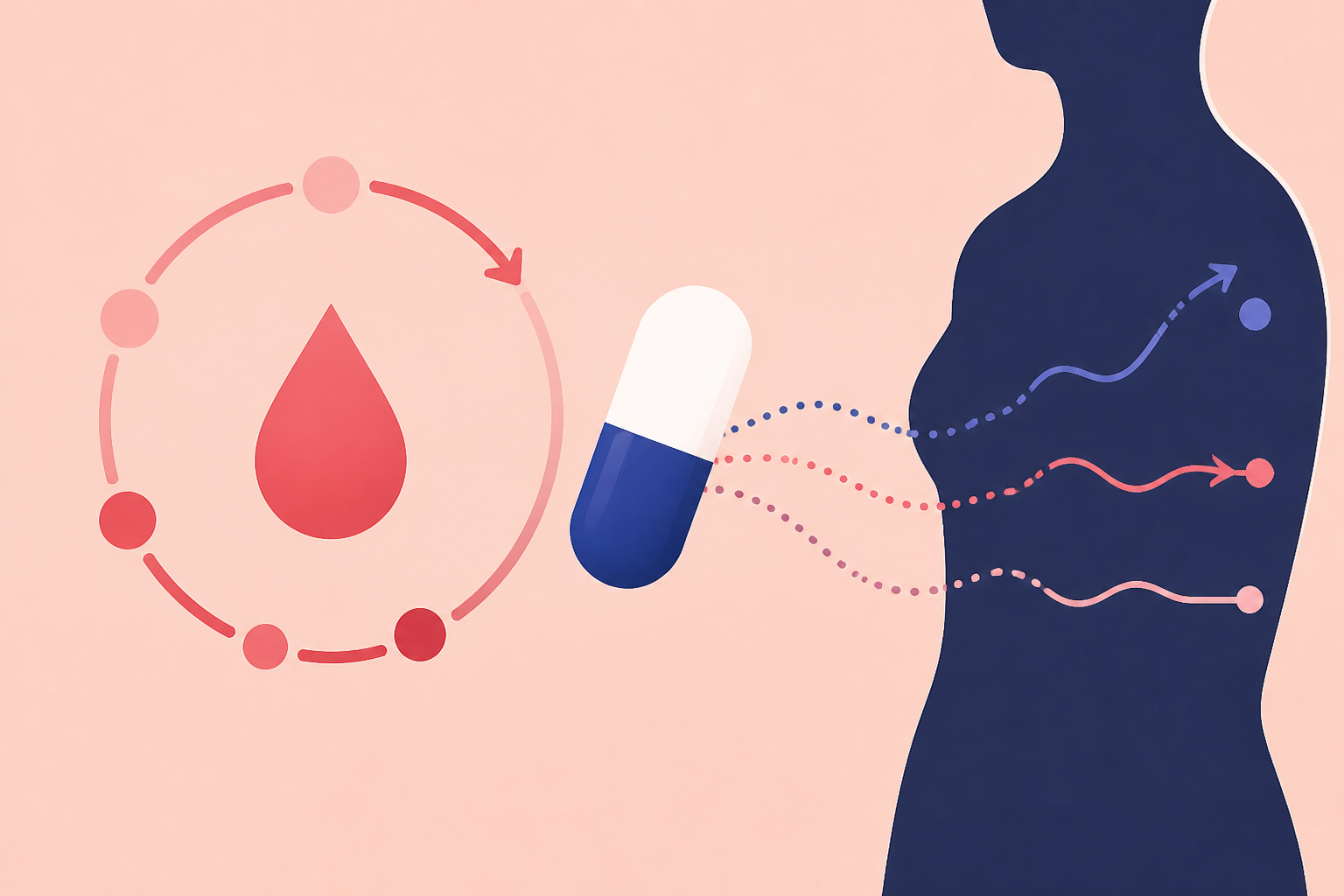
We are only just starting to learn how menstruation affects how well drugs work
New York Post • • health
Key Points:
- Recent research highlights the significant impact of menstrual cycle-related estrogen fluctuations on how women respond to various medications, challenging the past tendency to overlook these hormonal changes in health studies.
- Studies on the COVID-19 vaccine revealed that women vaccinated during the follicular phase experienced more side effects but had longer-lasting protection compared to those vaccinated in the luteal phase, underscoring the menstrual cycle's role in vaccine efficacy.
- Re-examination of the failed Alzheimer’s drug davenutide showed that women, especially during high estrogen phases, absorbed the drug more effectively than men, prompting renewed development efforts based on sex-specific responses.
- Estrogen influences the activity of liver enzymes (CYP enzymes) responsible for metabolizing a wide range of drugs, including ibuprofen, caffeine, and Xanax, potentially altering drug effectiveness and clearance depending on menstrual cycle phases.
- These findings emphasize the need for incorporating menstrual cycle considerations into medical research and drug development to better understand sex-specific treatment responses and improve healthcare outcomes for women.


