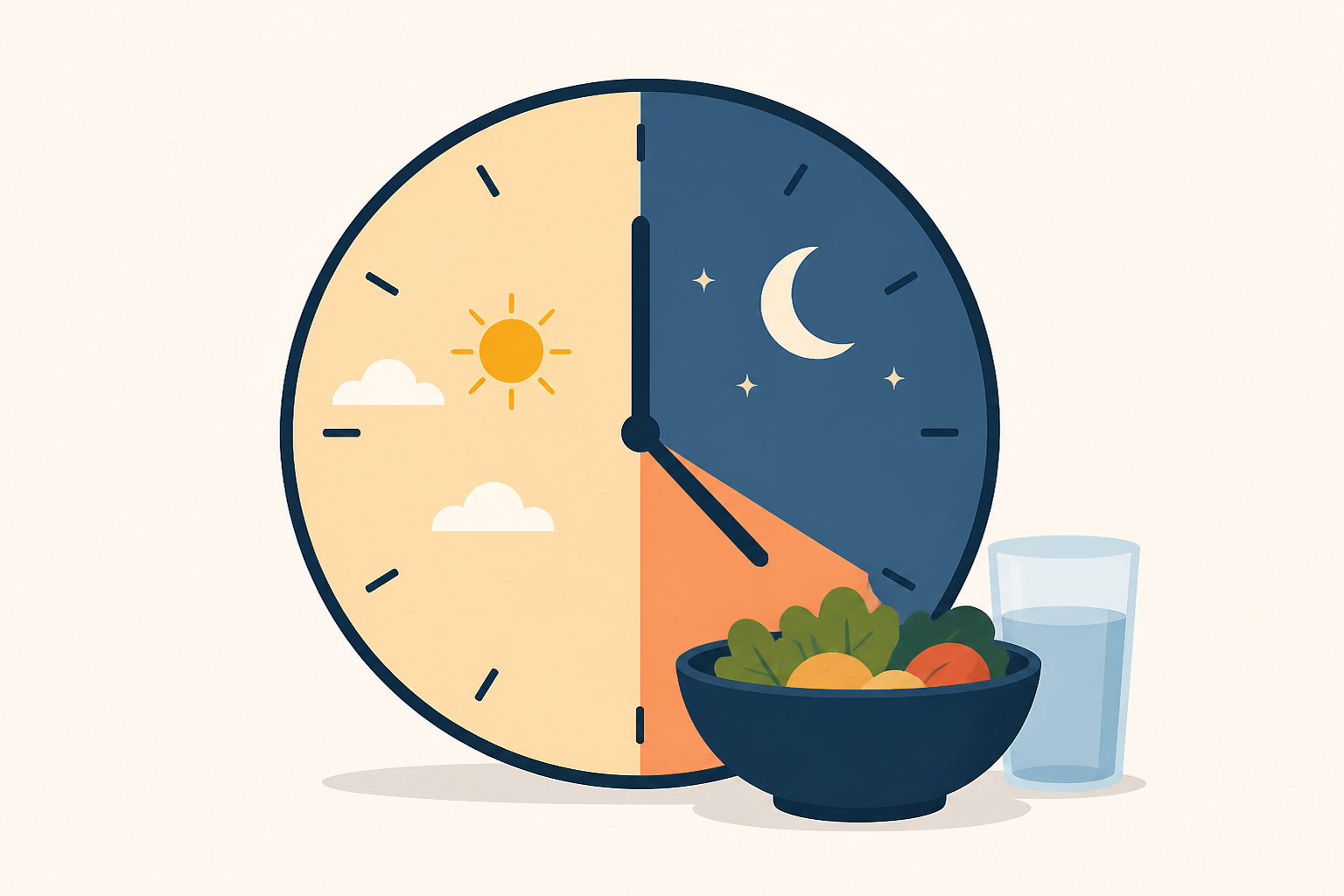
AI Generated Image
We're getting mealtimes wrong - here's the best time to have dinner
BBC • • general
Key Points:
- Chrononutrition research highlights that meal timing, aligned with our circadian rhythm, significantly impacts metabolism, weight loss, and overall health, suggesting that eating larger meals earlier in the day is beneficial.
- Studies show that consuming lunch earlier leads to greater weight loss and better blood sugar control, while eating late, especially close to bedtime, impairs glucose metabolism and increases the risk of type 2 diabetes.
- Later eating disrupts appetite-regulating hormones, increases hunger the next day, and promotes fat storage, which can contribute to weight gain, particularly in individuals genetically predisposed to obesity.
- Eating a substantial breakfast and having a longer overnight fast are linked to improved cardiovascular health, with shift workers advised to limit food intake to daytime hours when possible to reduce circadian disruption.
- Individual chronotypes ("larks" vs. "owls") influence meal timing preferences and metabolic responses; evening types may benefit from gradually adopting earlier meals, while adequate sleep is essential to regulate hunger and prevent overeating.


