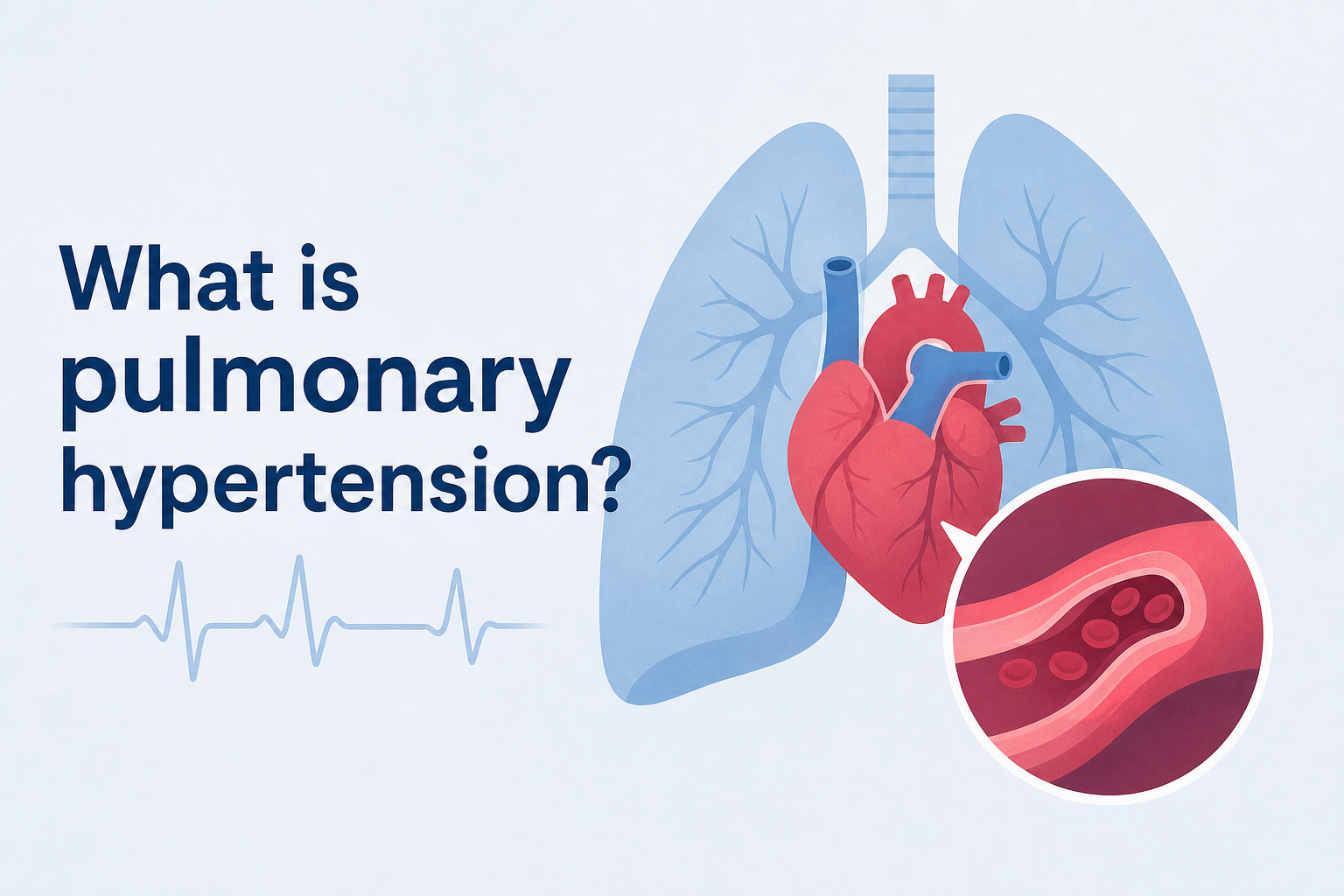
AI Generated Image
What is pulmonary hypertension?
New York Post • • health
Key Points:
- A new study published in Scientific Reports indicates that contracting COVID-19 may increase the risk of developing obstructive sleep apnea (OSA) up to 4.5 years post-infection, which in turn raises the likelihood of heart failure and pulmonary hypertension (PH).
- Pulmonary hypertension is a progressive and potentially fatal condition characterized by high blood pressure in the pulmonary arteries, leading to right-sided heart failure due to the heart working harder to pump blood to the lungs.
- Symptoms of PH develop gradually and include swelling, shortness of breath, chest pain, dizziness, fatigue, and fainting, necessitating medical evaluation for accurate diagnosis through physical exams and tests like echocardiograms and right heart catheterization.
- PH is classified into four stages based on symptom severity and impact on daily activities, with no cure currently available, but treatments such as medications, oxygen therapy, and lifestyle changes can improve quality of life and prognosis.
- Risk factors for PH include age, family history, smoking, obesity, certain heart defects, and environmental exposures, while emerging treatments like GLP-1 drugs show promise in managing the condition alongside traditional therapies.


