AI Generated Image
What's the difference between sweet potatoes and yams?
Live Science • • health
Key Points:
- Sweet potatoes (Ipomoea batatas) and yams (Dioscorea) are botanically distinct, belonging to different plant families and groups; sweet potatoes are dicots in the morning glory family, while yams are monocots in the Dioscoreaceae family.
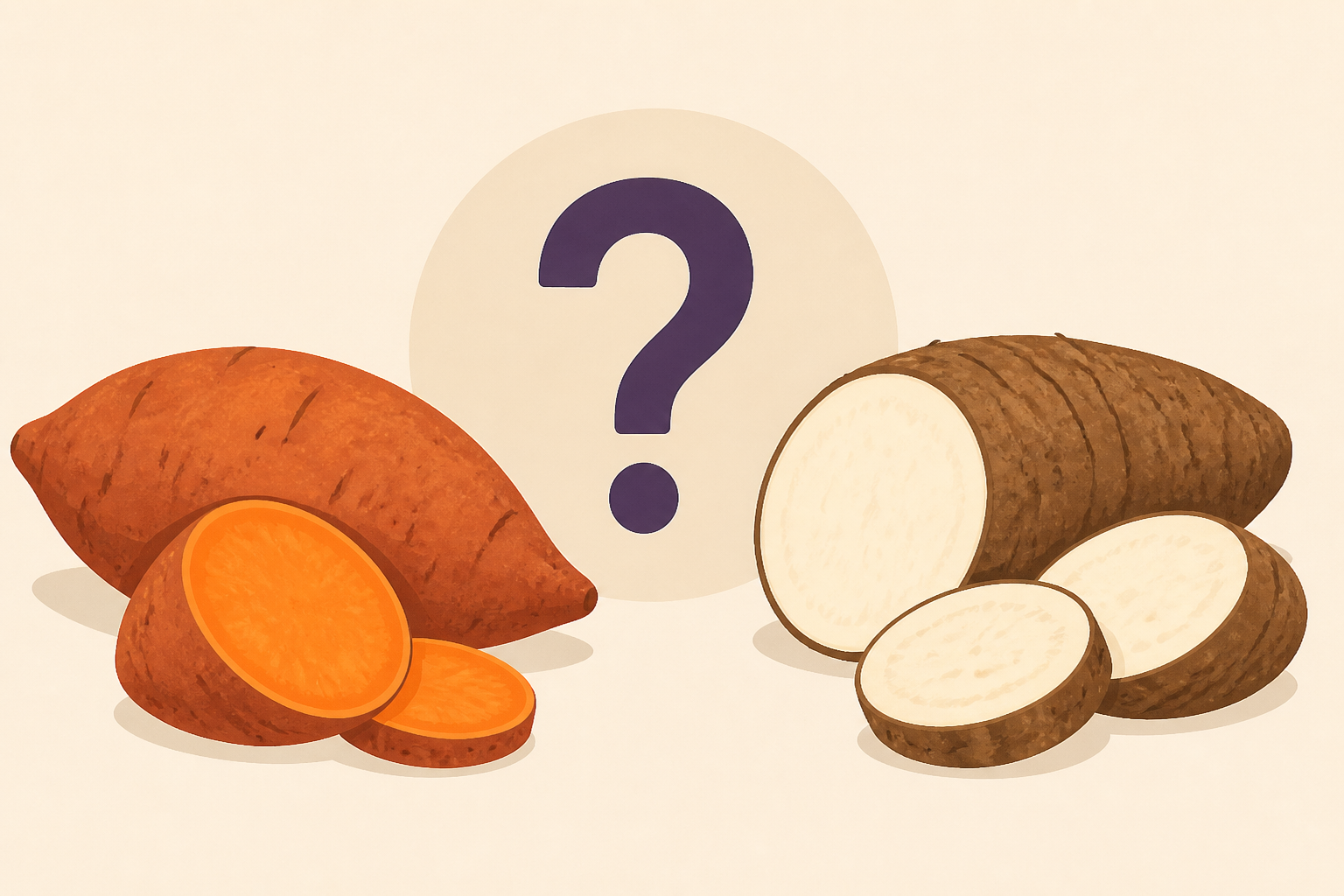
- Sweet potatoes develop storage roots, are shorter with tapered ends, and have thin, smooth skin with flesh colors ranging from orange to purple and white; yams form tubers, are longer and cylindrical with rough bark-like skin, and have white, purple, or reddish flesh.
- Nutritionally, sweet potatoes are rich in beta-carotene, vitamin C, fiber, and potassium, and are generally sweeter with a moist texture, whereas yams are starchier, drier, and contain less beta-carotene but provide potassium, vitamin C, manganese, and fiber.
- Many Americans mistakenly call sweet potatoes "yams" due to historical substitution of sweet potatoes for African yams and marketing practices distinguishing sweet potato varieties by texture and color, meaning most "yams" sold in U.S. supermarkets are actually sweet potatoes.
- True yams, which require thorough cooking to remove toxins, are less common in U.S. markets but are available in international markets; sweet potatoes are generally safe to eat raw or cooked.


