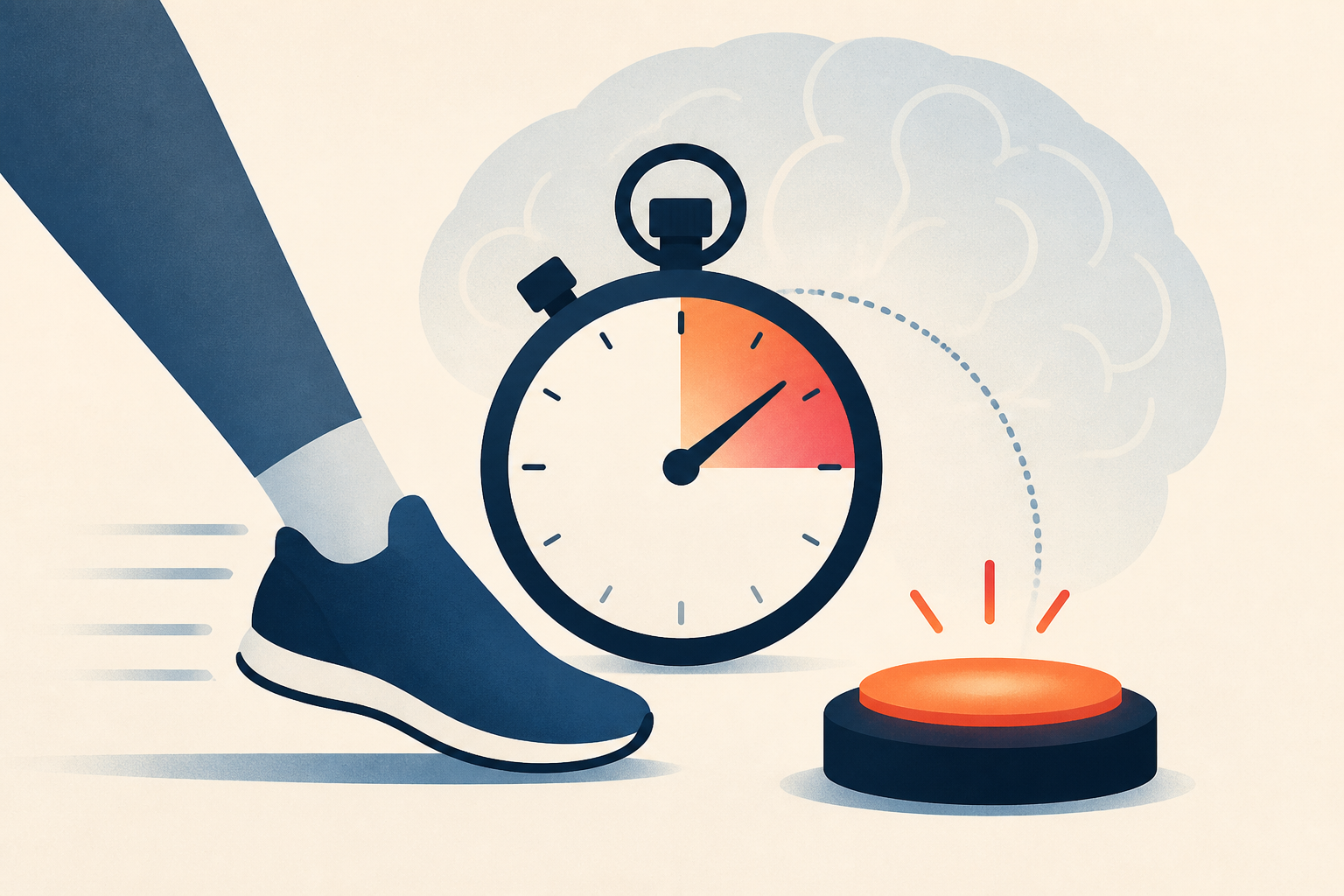
AI Generated Image
Why reaction-time training should be part of your exercise routine as you get older
KSL.com • • science
Key Points:
- Reaction time, the interval between perceiving a stimulus and initiating a response, declines with age starting in the 20s and accelerates after 60, impacting both physical safety and cognitive health.
- Slow reaction time significantly contributes to falls, the leading cause of injury-related death among adults 65 and older, and can lead to reduced activity and accelerated physical decline.
- Reaction time reflects central nervous system efficiency and cognitive processing speed, which is vulnerable to age-related decline and dementia, but training can slow this decline, as shown by the NIH-funded ACTIVE trial.
- Reaction-time training is accessible to everyone and can be done at home using simple drills like clock taps, wall bounces, ball drops, and lateral shuffling, which improve reflexes, balance, and brain function without needing specialized equipment.
- Consistent practice of reaction-time drills two to three times a week can lead to noticeable improvements in daily life, including steadier footing, more confident movement, and a sharper brain.


