AI Generated Image
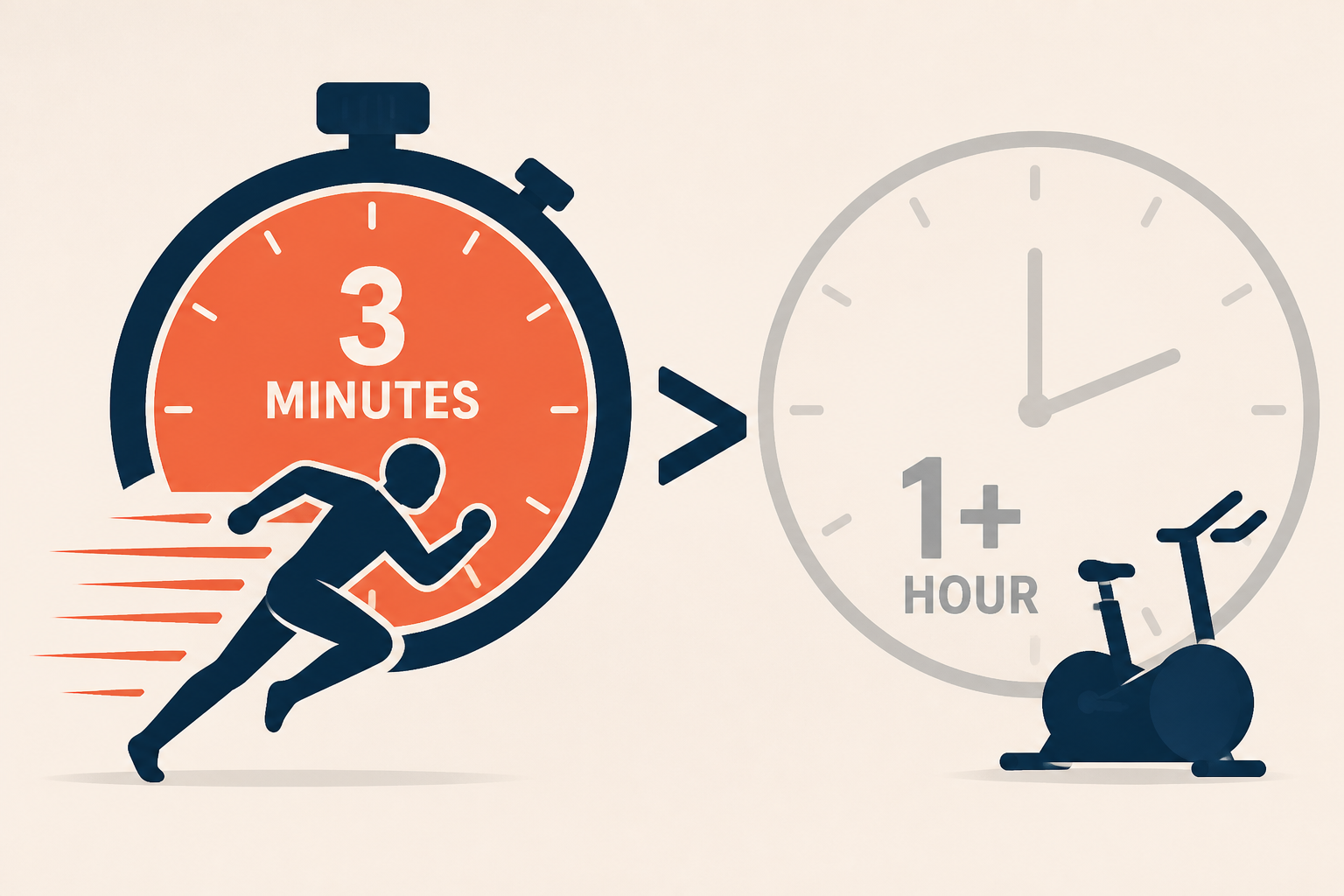
Why Three Minutes Of Sprinting May Beat An Hour+ Spent Exercising
StudyFinds • • health
Key Points:
- A new study published in Cell Reports Medicine found that six 30-second all-out cycling sprints triggered changes in significantly more blood proteins than 90 minutes of steady, moderate cycling, suggesting different internal responses to exercise intensity.
- The sprint workout caused shifts in about a quarter of detectable blood proteins, many linked in previous research to lower risks of heart disease, obesity, and type 2 diabetes, while moderate cycling produced minimal protein changes.
- Researchers identified muscle as the primary source of these protein changes, with fat cells responding strongly to blood taken after sprinting by altering gene activity related to hormone response and fat burning.
- Analysis of a health database with over 53,000 people showed that many sprint-responsive proteins were associated with lower disease risk and slower biological aging, although causation remains unproven.
- The study involved small, mostly male groups and confirmed findings across different exercise modes, highlighting that brief, intense bursts of effort provoke a unique chemical reaction distinct from longer, moderate workouts.


