AI Generated Image
Why Your $400 Rain Jacket Fails in Heavy Rain (And What to Do Instead)
The Trek • • science
Key Points:
- Thru-hikers often cannot stay completely dry during prolonged rain due to both external rain penetration and internal sweat buildup, making moisture management more critical than finding a fully waterproof jacket.
- Waterproof fabrics are rated by Hydrostatic Head (HH), with typical rain jackets ranging from 1,500 mm (light rain) to over 20,000 mm (extreme pressure), but backpack straps can exert pressures that exceed many jackets' waterproof ratings, causing leaks.
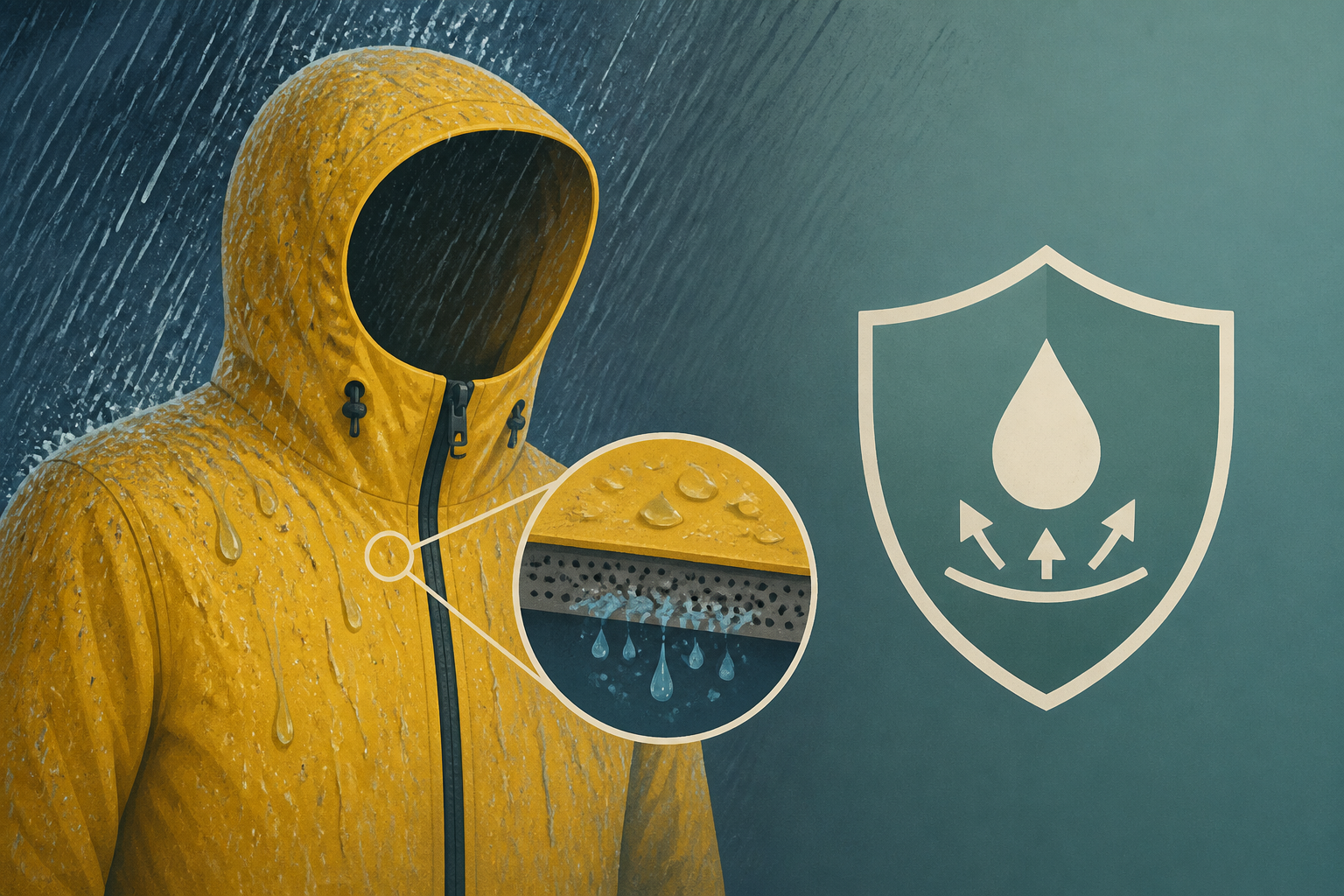
- Waterproof-breathable (WPB) membranes like ePTFE allow sweat vapor to escape but lose effectiveness when contaminated by body oils and when outer fabrics saturate, leading to condensation and internal wetness.
- Non-breathable materials such as silnylon, silpoly, and Dyneema offer full waterproofing without moisture absorption but sacrifice breathability and durability, prompting some hikers to prefer mechanical ventilation options like pit zips or ponchos.
- Experienced thru-hikers manage rain by using mechanical venting, keeping dry clothes in waterproof liners, choosing synthetic active insulation, drying gear whenever possible, and sometimes using ultralight umbrellas to reduce moisture buildup without trapping heat.


