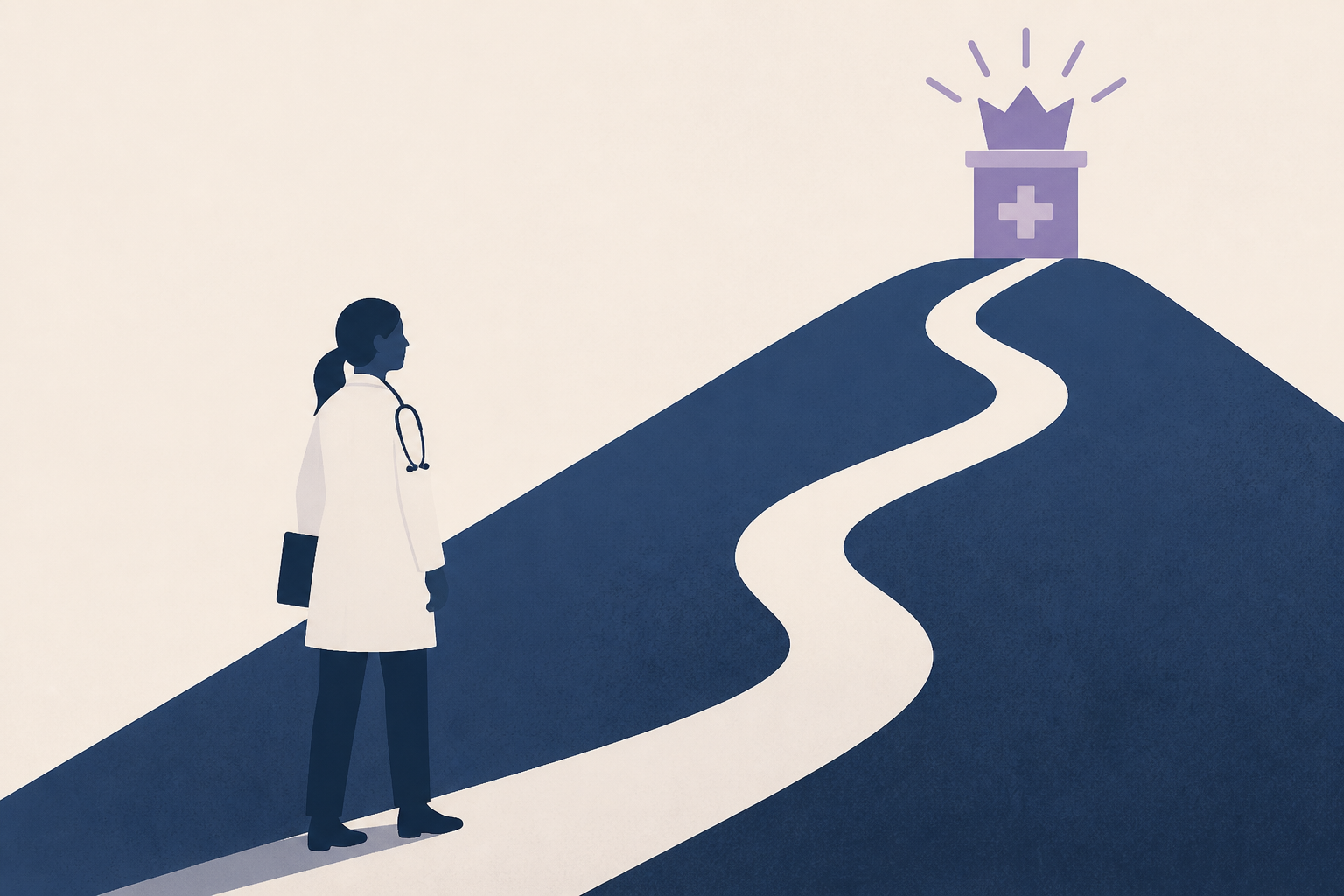
AI Generated Image
Women doctors can face uphill battle to become leaders in medicine
The Boston Globe • • health
Key Points:
- Despite women comprising 55% of US medical students and 45% of medical school faculty, they hold only 25% of department chair positions, highlighting persistent leadership disparities in medicine.
- Female medical leaders report having to work harder than men to advance and face less institutional support and fewer leadership opportunities, often encountering practices like sham peer reviews and harassment.
- Women in medicine frequently experience sexual harassment, bullying, and discrimination, which undermine their confidence, limit career advancement, and lead many to leave the profession, negatively impacting patient care.
- Implicit biases associating men with leadership roles and surgery contribute to barriers for women, including biased evaluations during leadership searches and a culture that tolerates mistreatment.
- Addressing these systemic issues requires proactive efforts from academic institutions, professional organizations, hospitals, and government to create equitable environments and retain female physicians critical to healthcare quality.


