AI Generated Image
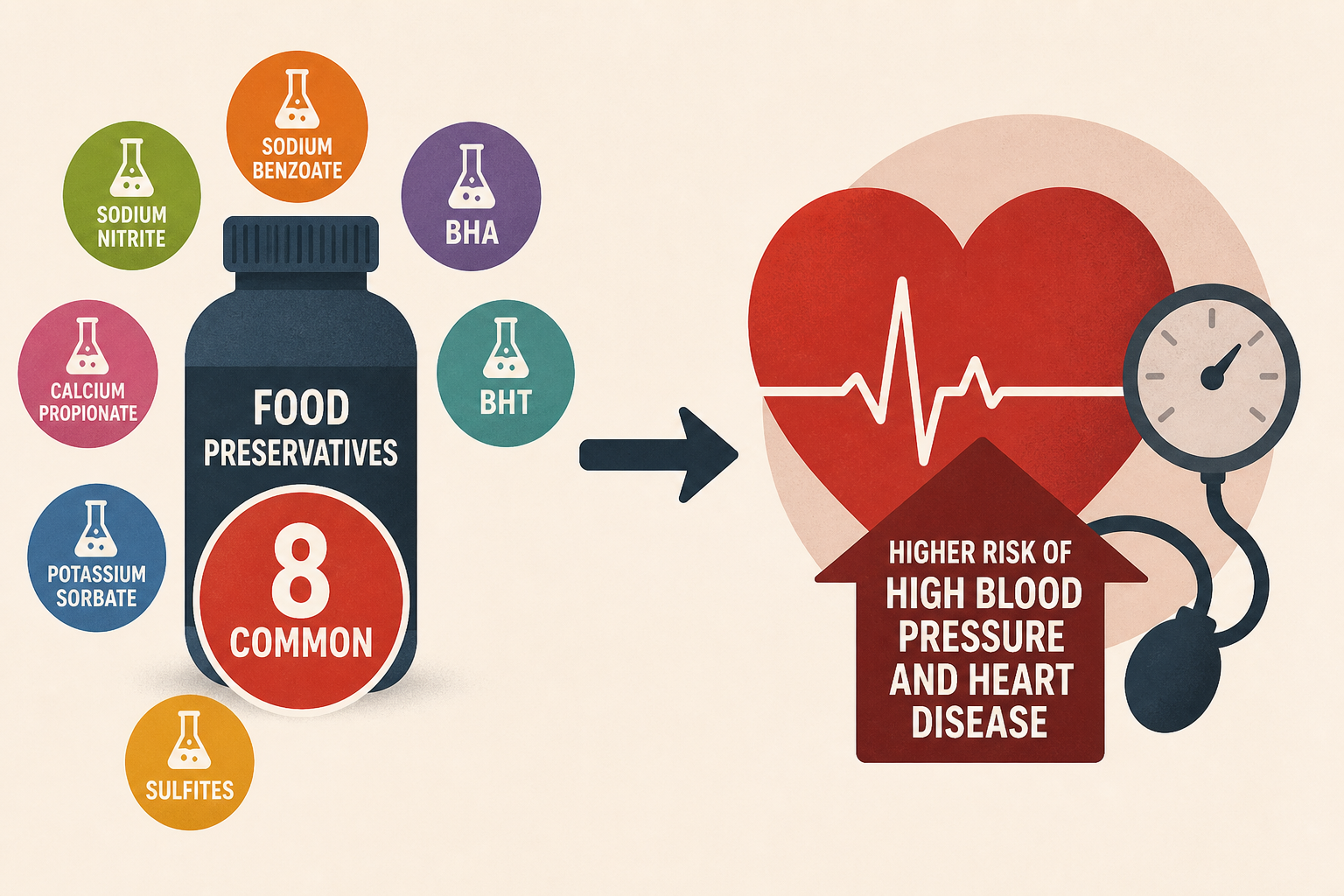
8 common food preservatives linked to higher risk of high blood pressure and heart disease
AOL.com • • health
Key Points:
- A large French study involving over 112,000 adults found that common food preservatives are linked to increased risks of hypertension and cardiovascular disease over an average follow-up of eight years.
- Higher intake of non-antioxidant preservatives was associated with a 29% greater risk of high blood pressure and a 16% increased risk of cardiovascular events, while antioxidant preservatives corresponded to a 22% higher hypertension risk.
- Eight specific preservatives, including potassium sorbate, sodium nitrite, and citric acid, were notably linked to elevated hypertension rates; only ascorbic acid (vitamin C additive) showed a significant association with cardiovascular disease risk.
- Experts caution that the study is observational and cannot establish causation, and participant demographics may limit generalizability; however, findings highlight the potential cardiovascular risks of chemical food additives, especially sodium-based preservatives.
- Researchers recommend further studies to confirm these results and suggest prioritizing natural ingredients while being cautious with sodium preservatives to reduce heart disease and stroke risk.


![Apple Store is down: 'We’re making updates,' Apple says [Update: Back online]](https://media-cdn.cashwalklabs.io/https%3A%2F%2Fs3.us-west-2.amazonaws.com%2Fimages.cashwalklabs.io%2F0_admin%2Fnews-ai-images%2F019eff50-b84d-74e8-b323-fd285ceebf72.webp?format=webp&w=120&h=80)


