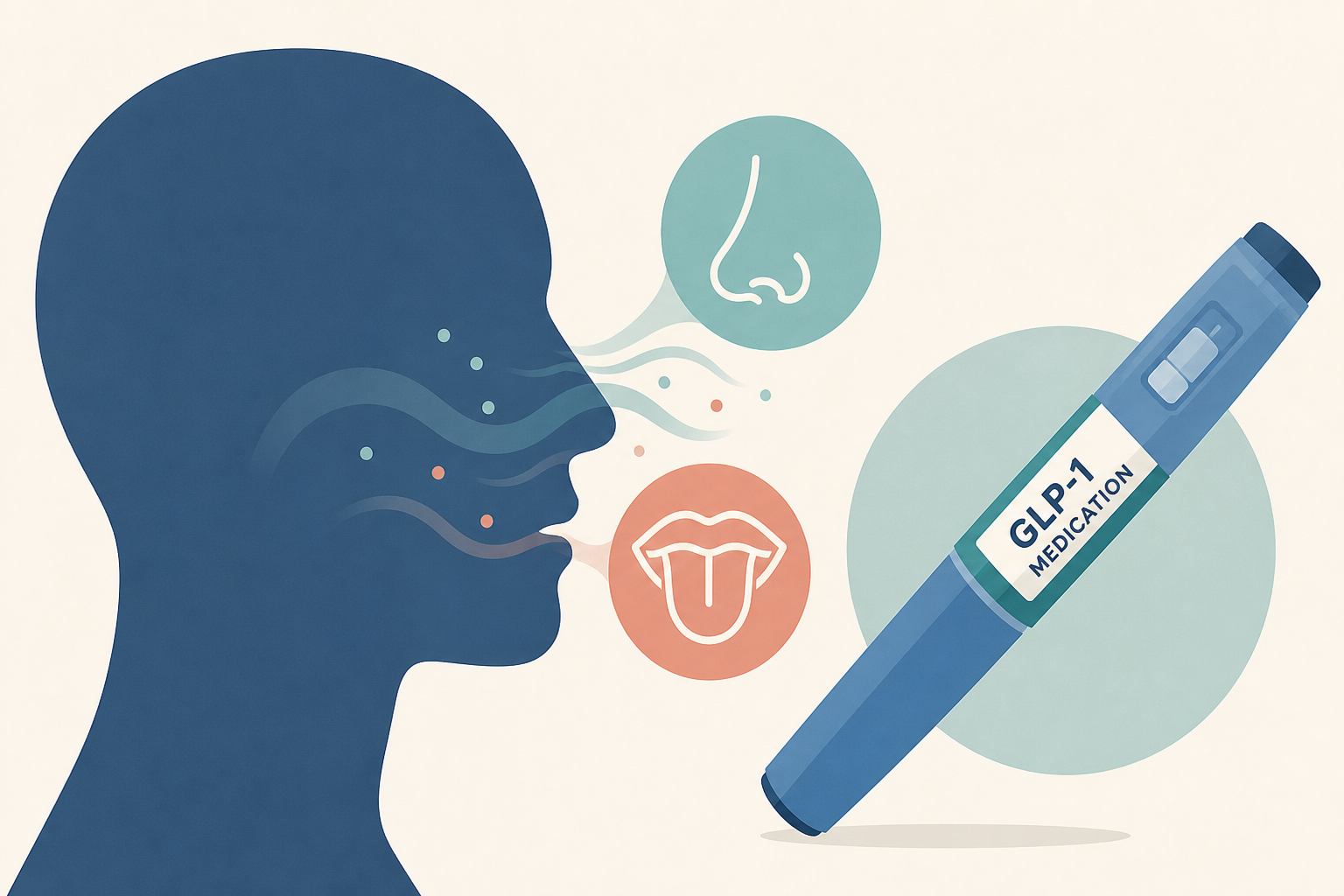
AI Generated Image
Strange Side Effect Found Among Ozempic Users-and It Has to Do With Smell and Taste
Gizmodo • • health
Key Points:
- Researchers at Hebrew University of Jerusalem found that people with type 2 diabetes taking GLP-1 medications like semaglutide have a 48% higher likelihood of developing smell or taste disturbances compared to those on other diabetes drugs, though the absolute risk remains small (0.37% vs. 0.22%).
- The study analyzed medical records from over 439,000 patients across 170 healthcare centers worldwide and identified conditions such as anosmia, parosmia, and parageusia linked to GLP-1 use.
- As the study is retrospective and observational, it cannot establish a direct cause-and-effect relationship, and previous research has sometimes suggested GLP-1s might improve sensory perception, indicating the effects may be complex and multifactorial.
- Researchers emphasize the need for further studies to understand the mechanisms, drug-specific effects, symptom severity, and long-term impacts on diet and quality of life, noting that GLP-1 receptors are present in taste buds and the olfactory bulb.
- While not advising patients to stop GLP-1 medications, the authors urge clinicians and patients to monitor for sensory changes, as early detection could allow interventions like olfactory training to help restore smell and taste.


![Apple Store is down: 'We’re making updates,' Apple says [Update: Back online]](https://media-cdn.cashwalklabs.io/https%3A%2F%2Fs3.us-west-2.amazonaws.com%2Fimages.cashwalklabs.io%2F0_admin%2Fnews-ai-images%2F019eff50-b84d-74e8-b323-fd285ceebf72.webp?format=webp&w=120&h=80)


