AI Generated Image
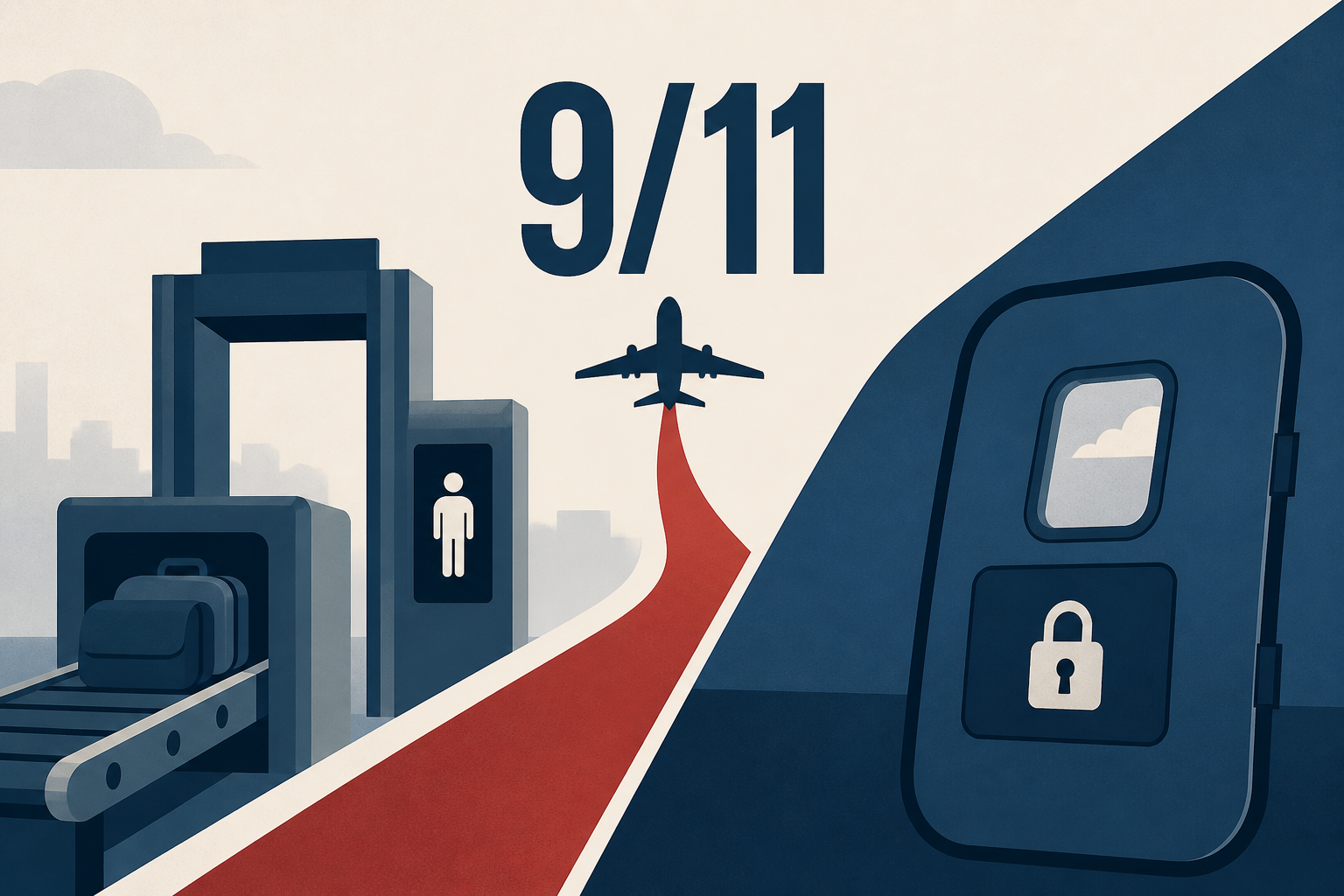
9/11 reshaped US air travel, from TSA screening to cockpit doors
AP News • • business
Key Points:
- Airport security in the U.S. has evolved significantly since the 1970s, with major changes driven by attacks such as the 1988 Pan Am Flight 103 bombing, the 9/11 hijackings, and subsequent attempted attacks revealing new vulnerabilities.
- The 9/11 attacks fundamentally changed aviation security, leading to the creation of the Transportation Security Administration (TSA), restrictions on gate access, reinforced cockpit doors, and mandatory screening of all checked luggage.
- Incidents like the 2001 shoe bomb attempt and the foiled liquid explosives plot resulted in new screening procedures, including mandatory shoe removal (lifted in 2025) and the introduction of liquid restrictions known as the "3-1-1" rule.
- The 2009 "underwear bomber" attack accelerated the adoption of full-body scanners at airports, enhancing the detection of non-metallic explosives concealed on passengers.
- Aviation security continues to advance with new technologies such as facial recognition and retractable cockpit security gates, while TSA programs are adapting to balance security needs with passenger convenience.


