AI Image
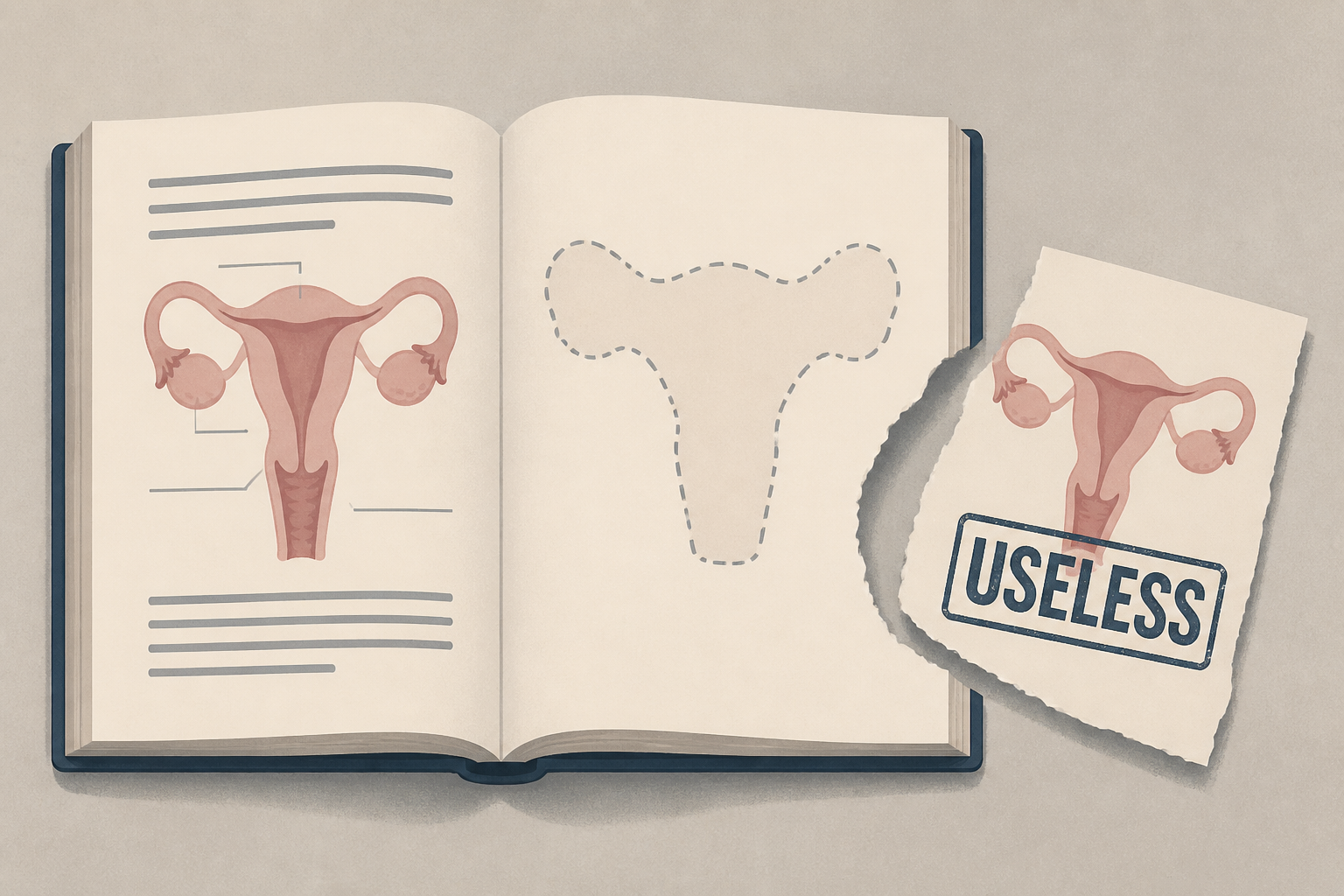
A female body part disappeared from textbooks because doctors thought it was useless
New York Post • • health
Key Points:
- The rete ovarii, a small structure in the female ovary long considered functionless and omitted from medical textbooks, has been rediscovered as potentially crucial for fertility and ovarian health according to a 2024 study on mice.
- Researchers found that the rete ovarii consists of three regions that persist from birth through adulthood and may interact with the nervous, circulatory, and immune systems, as well as respond to reproductive hormones like estrogen and progesterone.
- The study revealed that proteins released by the rete ovarii are involved in egg maturation and follicle maintenance, with activity increasing alongside rising estrogen levels during the reproductive cycle.
- This rediscovery has sparked social media criticism of the male-dominated medical research establishment for historically overlooking female anatomy, with commentators highlighting ongoing gender biases in women's health research.
- Scientists hope these findings will encourage further investigation into the rete ovarii and broader female reproductive anatomy to better understand its roles and improve women's health outcomes.


