AI Image
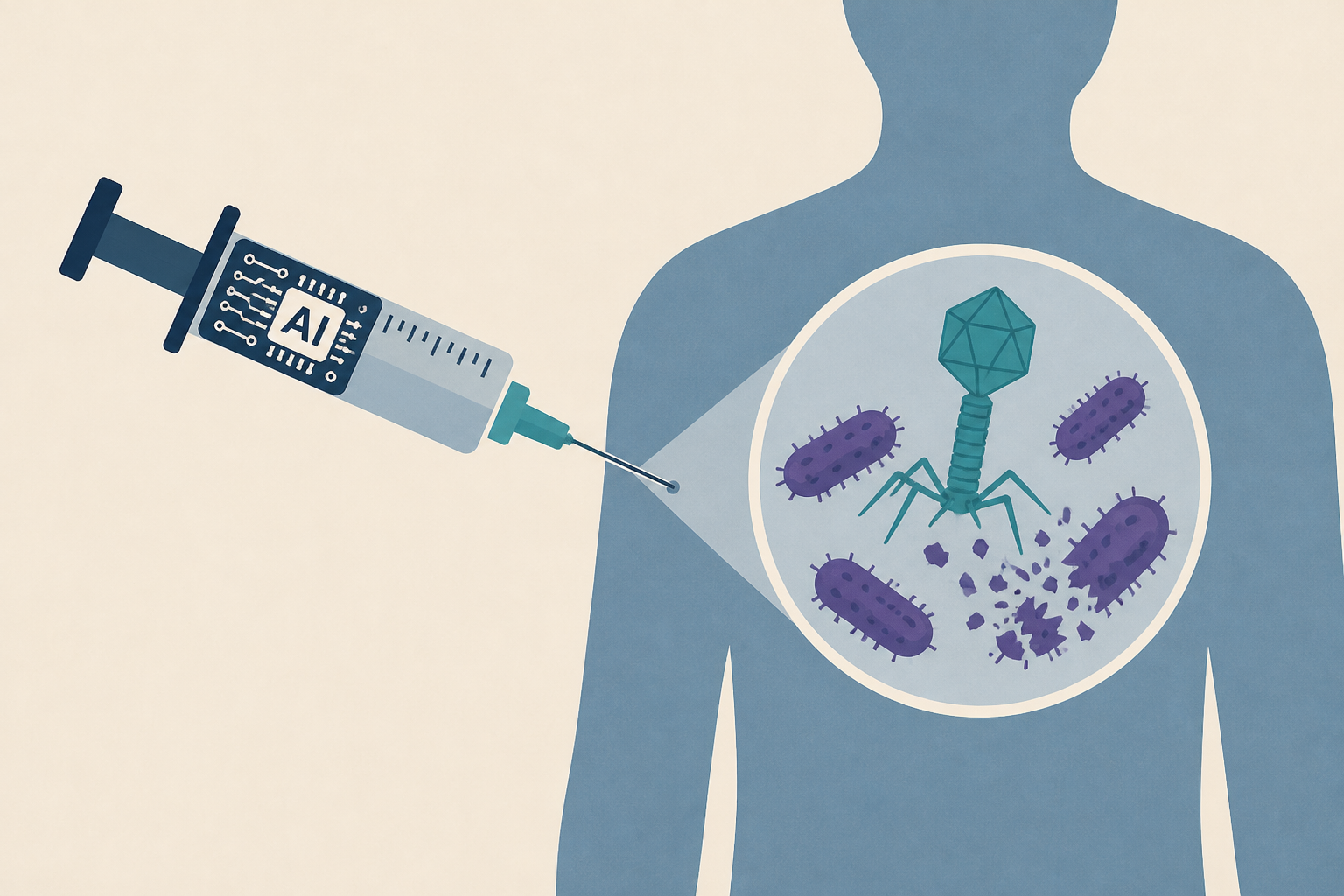
A human subject has been injected with an AI-designed virus aiming to kill antibiotic-resistant bacteria, so let's see how that turns out
Yahoo Tech • • health
Key Points:
- San Francisco AI lab Radical Numerics announced it designed bacteriophages using its Omnii-1 genome model, which were administered to a patient with a drug-resistant E. coli infection, marking a potential first use of AI-designed viruses as medicine.
- The company rewrote the gene for T7 phage’s tail fiber protein to target specific bacteria, achieving a high rate of viable phage variants, but has not yet disclosed or peer-reviewed clinical results, citing patient privacy and proprietary concerns.
- Bacteriophage therapy, which targets specific bacterial strains without harming human cells, is a century-old treatment seeing renewed interest due to rising antibiotic resistance, with AI potentially speeding up the traditionally slow process of finding effective phages.
- Experts remain cautiously intrigued but skeptical pending published clinical outcomes, while concerns about the dual-use potential of AI-designed viruses underline the need for strict biosafety and governance measures.
- If validated, Radical Numerics’ approach could revolutionize treatment for antibiotic-resistant infections by drastically reducing the time to design effective phages, addressing a major global health challenge linked to millions of deaths annually.


