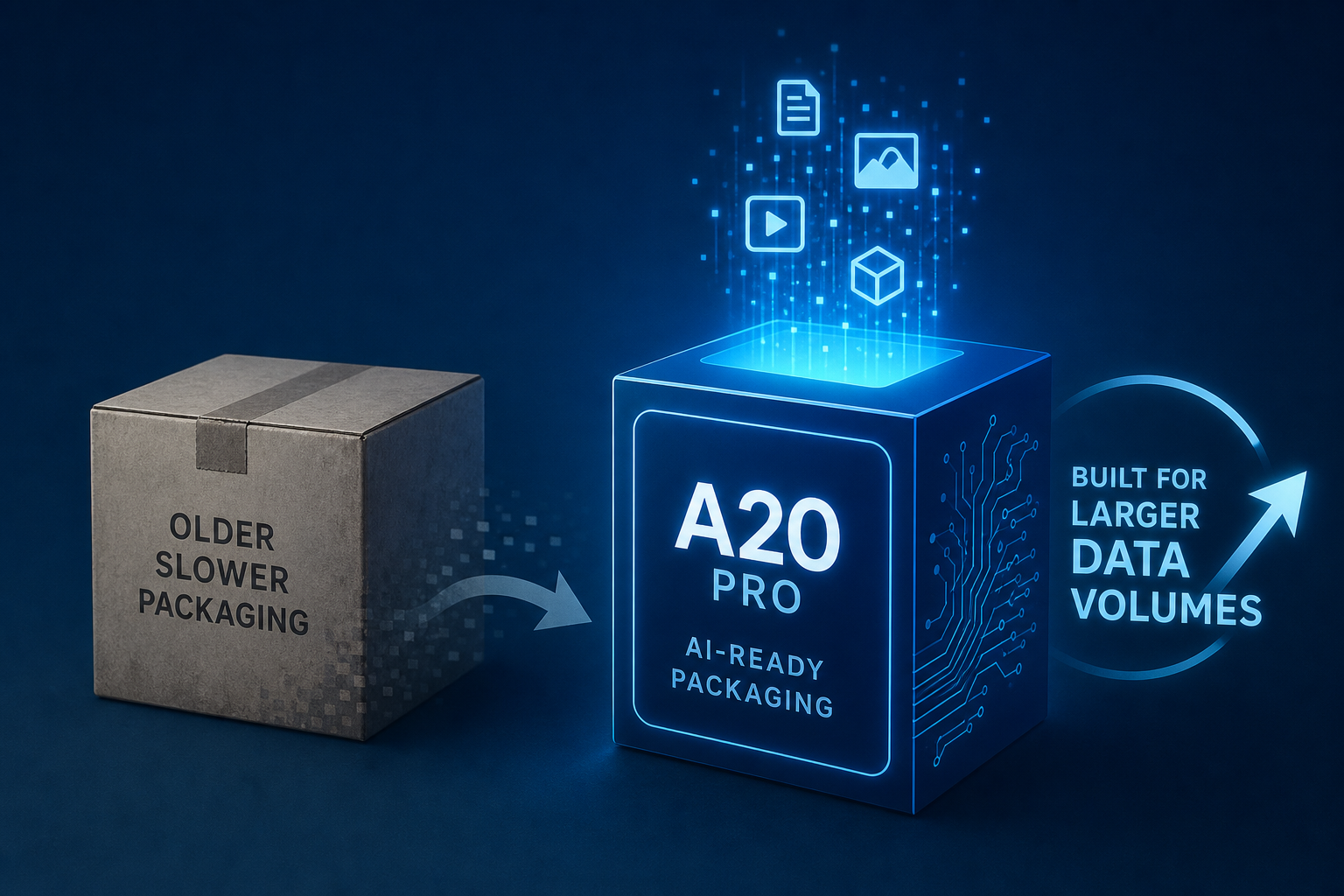
AI Generated Image
AI Forced Apple To Abandon Its Older, Slower Packaging, With The Upgrades Arriving To A20 Pro Making It Suitable To Handle Larger Data Volumes
Wccftech • • technology
Key Points:
- Apple is transitioning from its traditional InFO-PoP (Integrated Fan-Out Package-on-Package) chipset packaging to Wafer-Level Multi-Chip Module Packaging (WMCM) for the A20 Pro, addressing thermal limitations and improving bandwidth for on-device AI operations.
- The PoP technology stacks DRAM on top of the silicon die, causing thermal constraints during intensive tasks, which WMCM overcomes by keeping DRAM separate and enhancing cooling with a larger vapor chamber.
- The A20 Pro is expected to feature a larger Neural Engine and potentially upgrade to 96-bit LPDDR6 RAM, further boosting AI performance and data handling capabilities.
- While AI advancements may have influenced this packaging shift, analysts suggest Apple’s move is also driven by reaching performance limits in the A-series lineup, similar to packaging changes seen in Apple’s M5 Pro and M5 Max chips.
- The change reflects broader industry trends, with competitors like Samsung also enhancing packaging technologies to meet growing performance and thermal management demands.


