AI Image
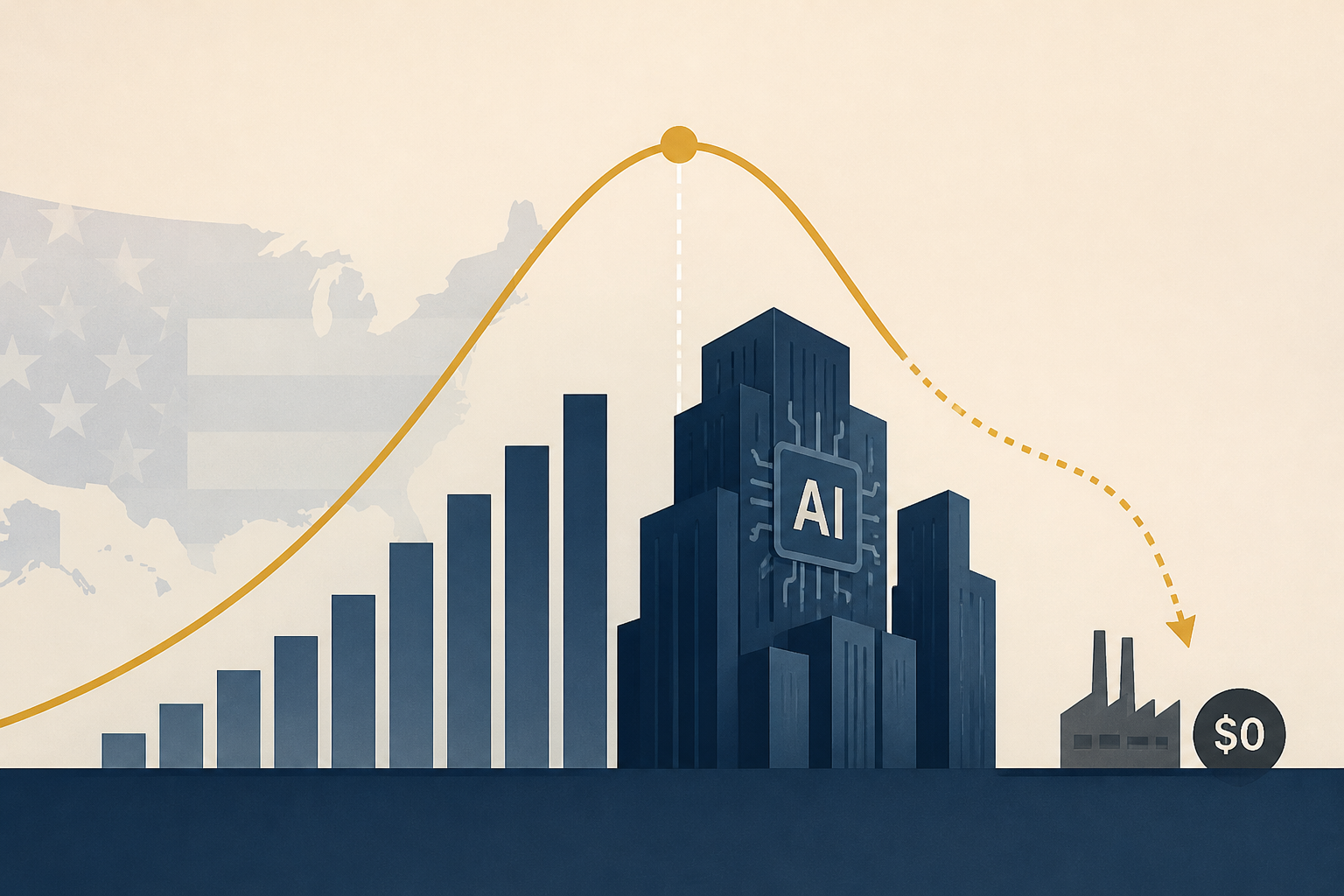
AI’s boost to the U.S. economy is nearing its peak, Goldman says, as Apollo finds ‘zero financial payoff’ outside Big Tech
Fortune • • business
Key Points:
- Despite significant investments and hype, AI has yet to deliver financial gains to most of corporate America outside the tech sector, with revenue and profit margins rising only for a small group of top tech companies known as the "Magnificent 7."
- Goldman Sachs economists project the AI investment boom's growth impulse will peak by late 2026 or early 2027, with AI-related capital spending growth expected to slow and contribute to downward risks to overall economic growth.
- Rising fuel prices and increased long-term interest rates, partly attributed to AI-linked borrowing and large deficits, pose additional challenges to growth, potentially reducing GDP by 0.6% if these trends persist.
- AI has boosted consumer spending through a stock market "wealth effect," adding about 0.25% to U.S. GDP over the past year, but this effect is expected to wane, especially if AI-related stocks decline further.
- Economists diverge on AI's future impact: Goldman Sachs remains optimistic about eventual productivity and profit gains despite short-term labor market disruptions, while others caution that mainstream businesses may struggle to convert AI advancements into higher revenues and margins as the technology becomes commoditized.


