AI Image
Alaska upholds ranked choice voting and top-four primaries : NPR
NPR • • nation
Key Points:
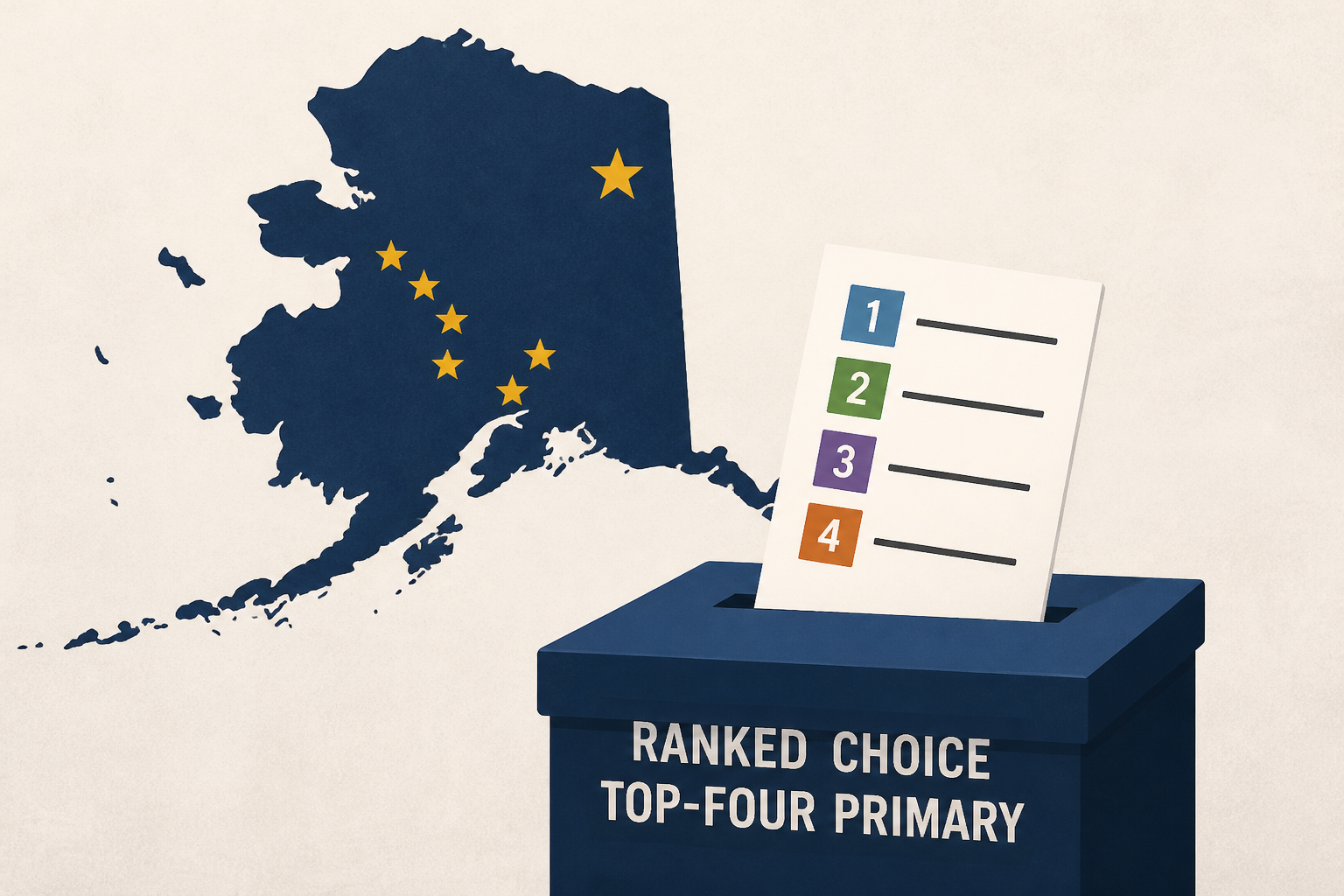
- Alaska voters have rejected a ballot measure aimed at repealing the state's nonpartisan primary system and ranked choice voting, marking the second time such an effort has failed since the system's approval in 2020.
- The state's unique election system, which allows the top four primary candidates to advance and uses ranked choice voting if no candidate wins a majority, has drawn national attention due to a Senate race featuring two candidates named Dan Sullivan.
- Critics argue the system is confusing and susceptible to manipulation, citing allegations that an independent Dan Sullivan was a spoiler candidate supported by Democrats, though these claims have been denied.
- Supporters maintain that ranked choice voting mitigates potential confusion by allowing voters to rank candidates, ensuring a fairer outcome, and emphasize that Alaskans favor the freedom to vote across party lines.
- Alaska's election system differs from other states like California and Washington by advancing four candidates from the primary instead of two, aiming to increase voter choice and competition in general elections.


