AI Image
‘Don’t lie to me to get free stuff’: how small businesses are fighting back against influencers behaving badly
The Guardian • • technology
Key Points:
- Nicole Flanagin, owner of Brews and Mews cat cafe in North Carolina, faced a viral negative TikTok review from an influencer who claimed her child was denied entry, but CCTV footage disproved the influencer's story, leading Flanagin to post the video and defend her business publicly.
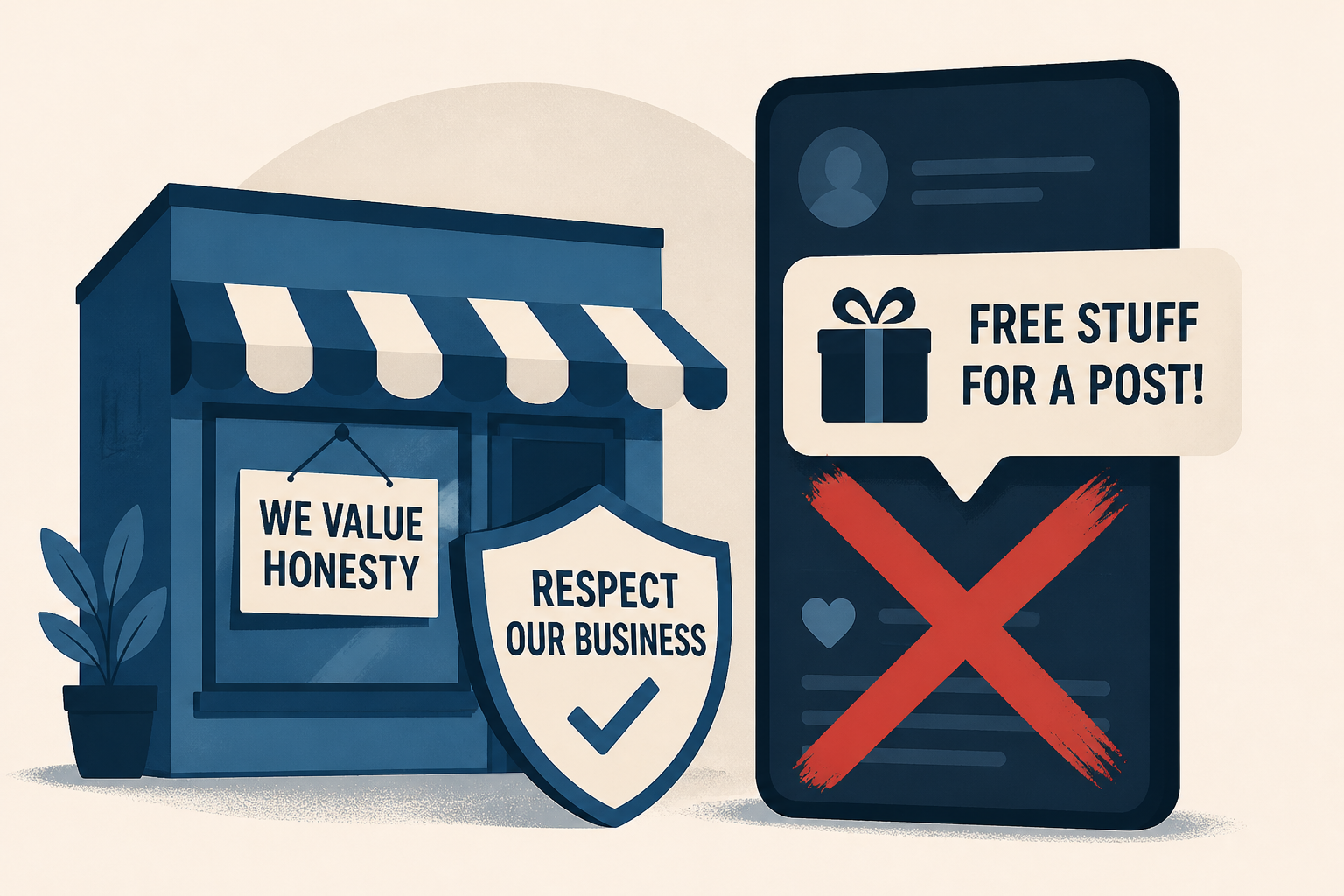
- The incident highlights tensions between small businesses and influencers, where influencers can significantly impact businesses positively or negatively, but sometimes exhibit entitled or problematic behavior, prompting some businesses to push back or ban influencers altogether.
- Small business owners report challenges with influencer marketing, including ungrateful or demanding influencers, requests for free products or services in exchange for exposure, and the difficulty of balancing potential promotional benefits against profit margins and fairness.
- Some businesses and entrepreneurs are increasingly vocal about the downsides of influencer culture, sharing experiences of exploitation and frustration, while advocating for clearer expectations, contracts, and boundaries to protect their interests.
- Despite backlash and controversies, influencers remain a powerful force in marketing, especially in hospitality and retail, but the evolving relationship is marked by a growing "takedown economy" where businesses publicly call out misleading or unfair influencer conduct.


