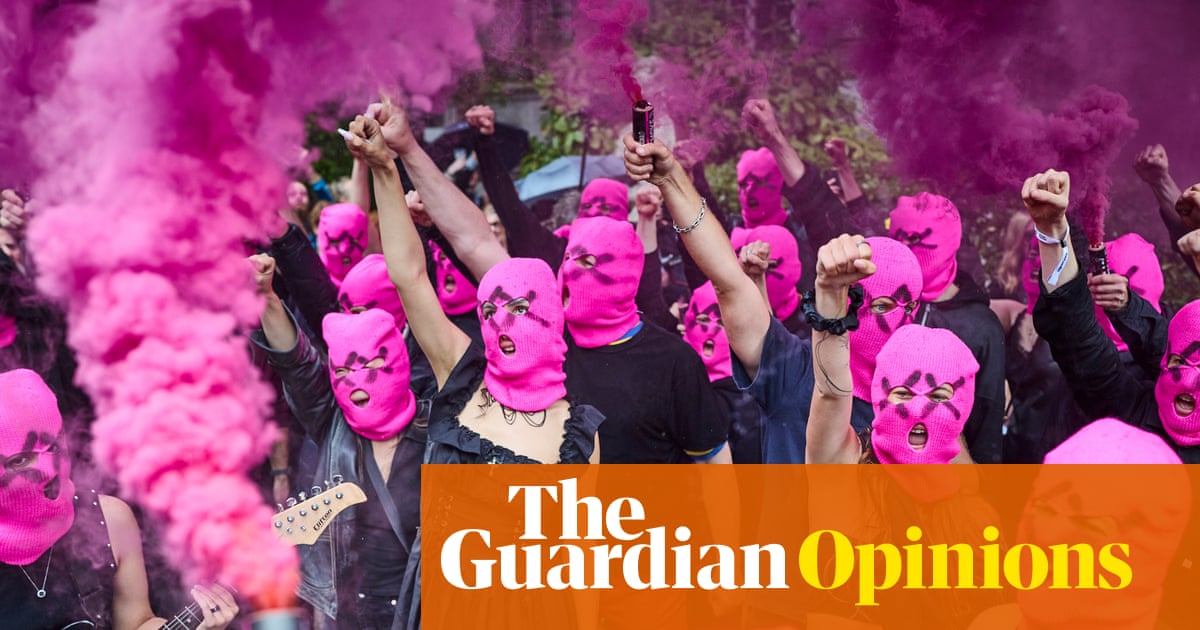
At the Venice Biennale I saw anger at Russia and Israel - and its leadership pretending everything was fine
The Guardian • • world
Key Points:
- The Russian pavilion returned to the Venice Biennale this year after a hiatus since 2022, featuring traditional folk performances amid ongoing conflict in Ukraine, drawing criticism for using culture to mask war crimes.
- The biennale's president, Pietrangelo Buttafuoco, appointed by Italy's rightwing government, supports Russia's participation and rejects preemptive bans, a stance criticized by several Eastern European culture ministers as appeasement of aggressors.
- A jury at the biennale attempted to exclude countries whose leaders face international criminal charges, implicitly targeting Russia and Israel, but faced legal pressure and resigned after their autonomy was undermined.
- The event highlights the ongoing politicization of art, with Russia and Israel insisting on their presence to gain legitimacy and divert attention from conflicts, raising questions about the role of cultural diplomacy.
- Historically, the Venice Biennale's structure of national pavilions originated under Mussolini as a propaganda tool, and current leadership's framing of the event as a neutral "UN of art" echoes this legacy amid contemporary geopolitical tensions.


