AI Image
Everything is spying on you and there’s no opting out
The Verge • • technology
Key Points:
- Apple’s new Apple Watch features enable continuous listening and real-time transcription to create summaries of surrounding conversations, sparking immediate privacy concerns and legal warnings about eavesdropping without consent.
- Apple claims privacy safeguards such as a rolling 15-second buffer, non-identification of speakers, and audible chimes to alert nearby individuals, but critics argue these measures shift the burden of privacy protection onto consumers and bystanders rather than the company.
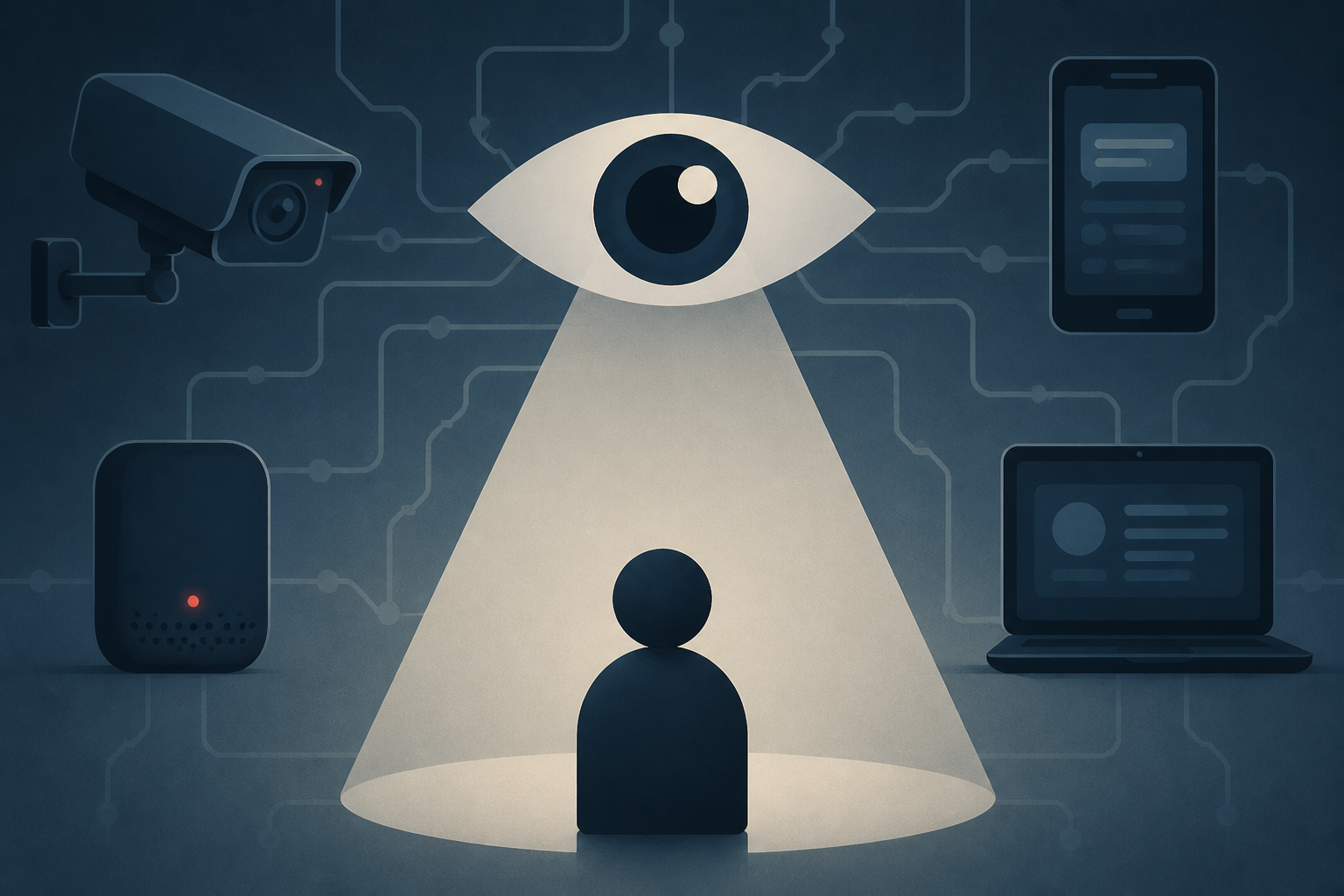
- The trend of ambient surveillance devices, including Meta’s smart glasses and Flock cameras, normalizes constant recording in public and private spaces, challenging established norms of consent and raising ethical and legal questions about what constitutes a “recording.”
- Privacy advocates emphasize that opt-out models do not equate to true consent, highlighting the disproportionate impact on marginalized groups and the mental toll of living under constant surveillance, while also noting growing public resistance such as bans on smart glasses in venues and apps detecting such devices.
- Despite tech companies’ attempts to appear cautious with privacy features, experts believe these efforts mainly serve to placate concerns while continuing to push boundaries, underscoring a broader industry trend that prioritizes surveillance and data collection over individual privacy rights.


