AI Image
FERC rejects most of PJM’s large load interconnection plan
Utility Dive • • business
Key Points:
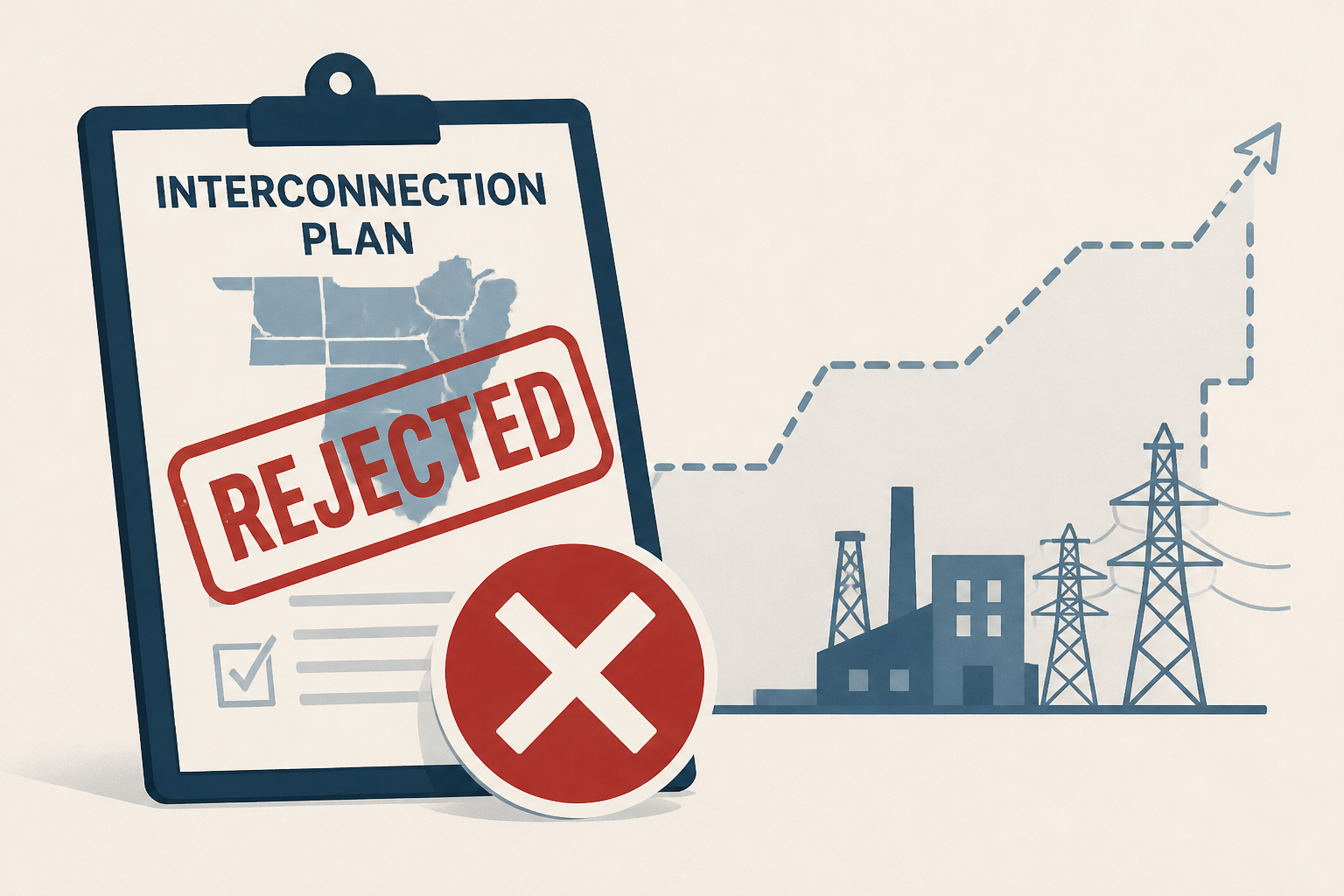
- The Federal Energy Regulatory Commission (FERC) largely rejected PJM Interconnection's plan to integrate large loads like data centers into its system, including the Interim Resource Adequacy Service (IRAS) framework and "bring your own new capacity" rules, citing concerns over state jurisdiction and discrimination against large loads.
- FERC approved PJM’s definitions for large loads and the creation of a large load registry but rejected key IRAS elements that would allow large loads to connect without matching new capacity if they agree to curtailment, stating these provisions improperly impose retail rate obligations and curtailment mandates on retail customers.
- The ruling may lead to higher capacity prices in PJM for a longer period, benefiting independent power producers like Constellation Energy and NRG Energy, though PJM is reviewing the order to comply with FERC while respecting state responsibilities and protecting existing customers from undue cost burdens.
- FERC emphasized the shared regulatory challenge between federal and state authorities in setting curtailment rules for large loads, urging states to designate which retail customers should be curtailed during system stress, with Ohio and Pennsylvania noted as key states to watch.
- FERC Commissioner David Rosner warned that excluding IRAS loads from capacity auction demand curves could distort markets by signaling excess capacity while demand is involuntarily reduced, and recommended that states determine curtailment priorities, ensuring non-critical data centers are shut off before essential customers during grid emergencies.


