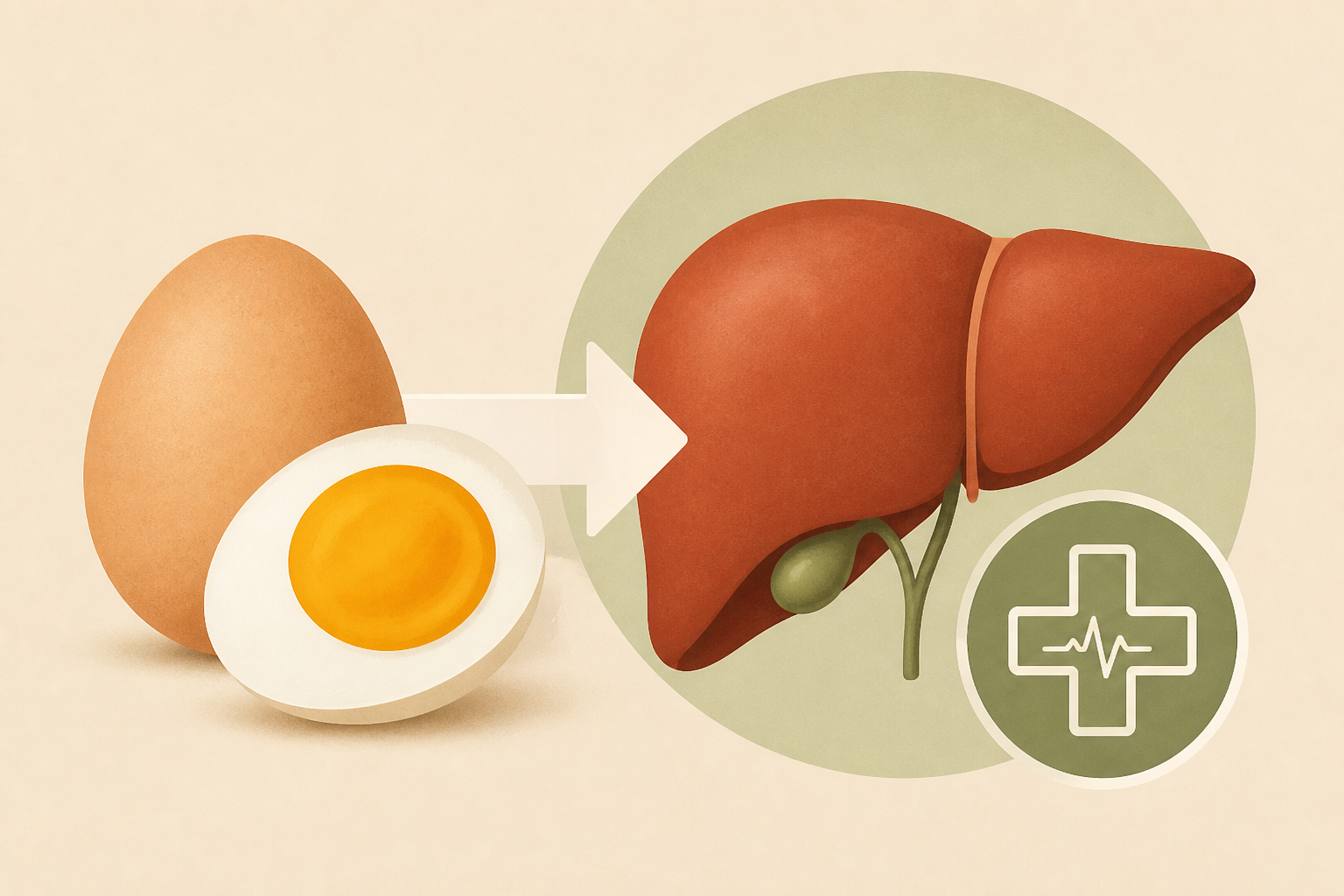
AI Generated Image
How Eating Eggs Affects Your Liver Health: Insights from a Hepatologist
AOL.com • • health
Key Points:
- Eggs are a popular breakfast choice in the U.S., especially among adults aged 55 and older, and are valued for their protein, choline, and vitamin B12 content, which support brain and liver health.
- The relationship between egg consumption and liver health is complex; while eggs provide beneficial protein and choline that may protect the liver, their high cholesterol content can increase liver workload and fat buildup, particularly in individuals with high cholesterol.
- Research on egg intake and metabolic dysfunction-associated steatotic liver disease (MASLD) is mixed, with some studies linking moderate egg consumption to higher MASLD risk, while others find no association and suggest choline in eggs may be protective.
- Overall liver health depends on an individual's entire diet and metabolic condition; those with good health can likely consume eggs daily without harm, whereas people with high cholesterol should moderate their egg intake.
- For liver-friendly breakfasts, experts recommend avoiding sugary pastries and fatty meats, opting instead for protein sources like Greek yogurt, plant-based proteins, nuts, and fiber-rich foods like avocado on whole wheat toast, while limiting fruit juice due to its fructose content.


