AI Image
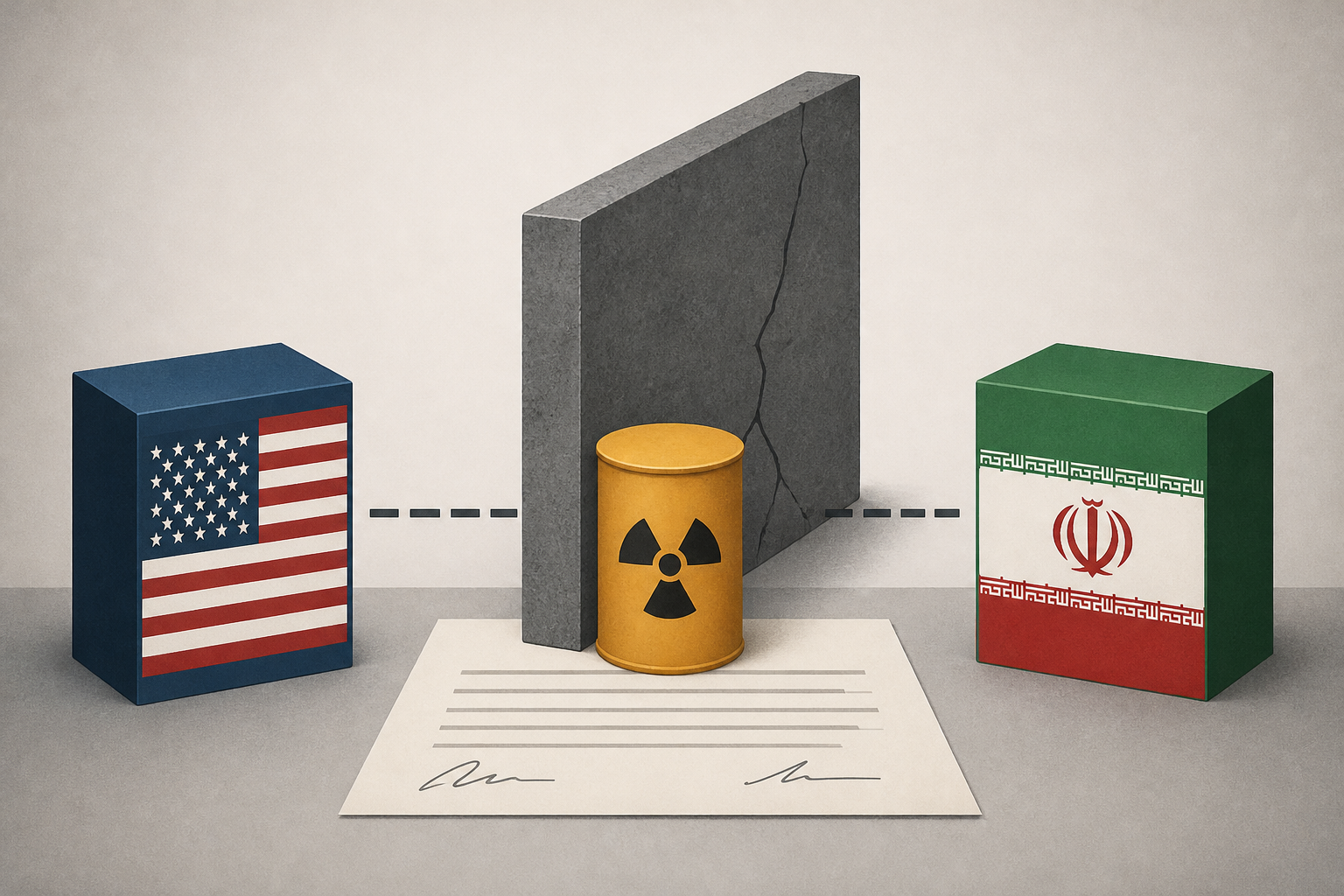
Iran-US deal faces major hurdles as Tehran refuses uranium transfer
The Jerusalem Post • • world
Key Points:
- Qatari Prime Minister Mohammed bin Abdulrahman Al Thani, acting as mediator between the US and Iran, acknowledged significant gaps remain but emphasized ongoing efforts to bridge differences, with any agreement likely to be implemented in staged steps.
- A key negotiation challenge is the sequencing of actions and which side will make the first move, with Al Thani meeting President Trump to reassure Iran of the US's genuine intent to reach an agreement; Trump has allowed about two weeks for diplomatic efforts.
- Iranian Security Chief Mohsen Rezaei stated Iran will not permit any enriched nuclear material to leave the country and warned of retaliatory strikes on US bases globally if attacked, highlighting Tehran's firm stance against new US military actions.
- Iran's Supreme Leader has directed that near-weapons-grade uranium remain in the country, with Iran citing its use for nuclear-powered ships and submarines, rejecting offers from Russia to remove uranium as part of any deal.
- Iran has sent a nuclear proposal to the US via Qatar, conditioned on Washington meeting seven demands first, while the US insists nuclear issues must be central to any initial negotiations aimed at ending hostilities.


