AI Generated Image
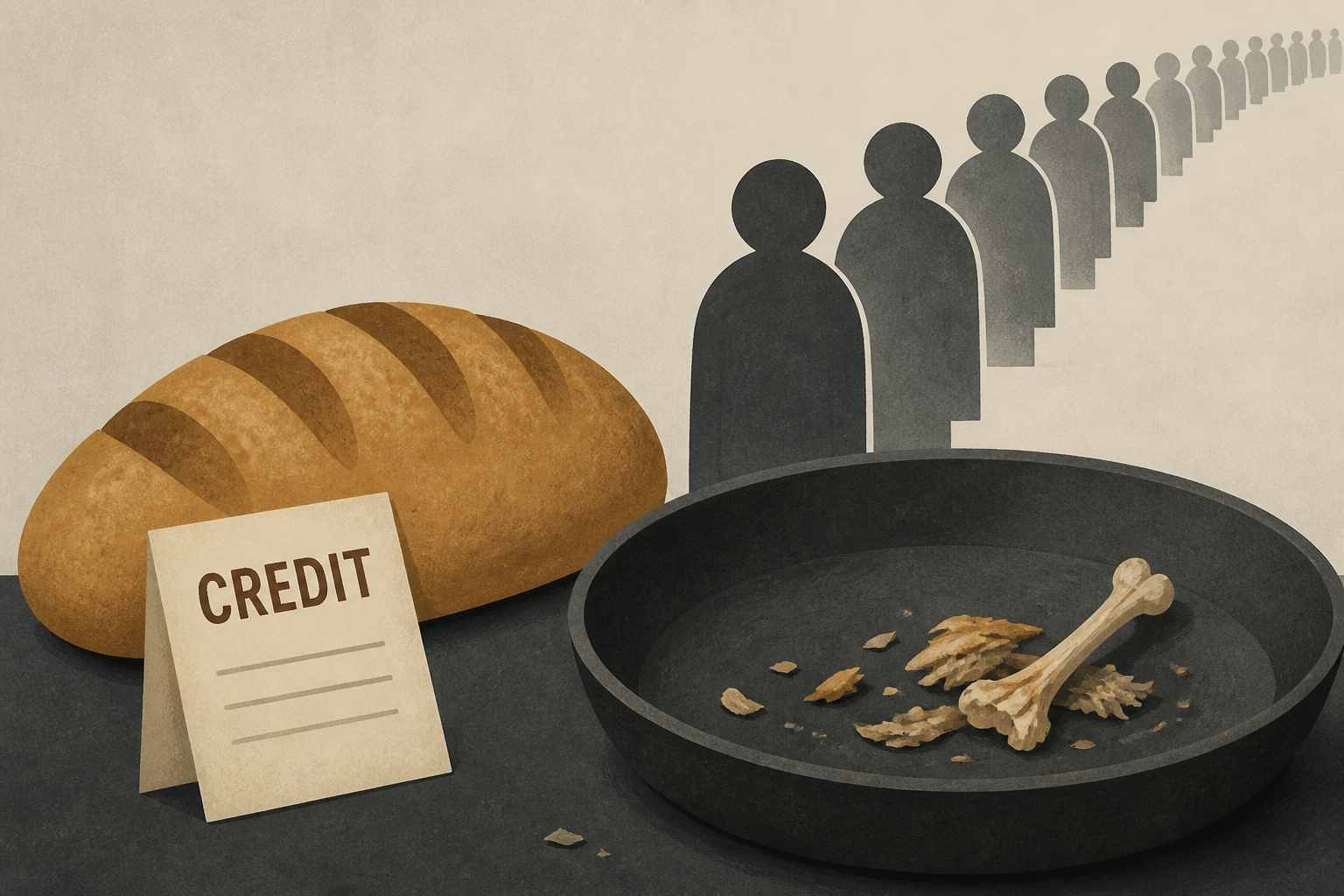
Iranians buy bread on credit, queue for chicken scraps
Iran International • • nation
Key Points:
- Economic hardship is intensifying in southern districts of Tehran, with shopkeepers reporting increased requests from customers to postpone payments for basic goods like groceries, meat, and bread due to rising costs and financial strain.
- Many businesses are unable to extend credit as stock replenishment costs rise rapidly; bakeries and butchers report growing numbers of customers seeking credit, often without repayment ability, reflecting widespread financial distress among low-income households.
- Inflation and currency depreciation have caused sharp price increases for everyday items, education, and transportation, severely impacting household budgets, with some essential goods costing a significant portion of the monthly minimum wage.
- Visible signs of poverty include people scavenging for food scraps and declining sales in shops despite rising prices, highlighting the severe economic pressure on residents in marginalized urban areas.
- Analysts warn that ongoing international sanctions and economic mismanagement are weakening Iran's political and economic institutions, with inflation serving as a critical indicator of the country's diminishing capacity to withstand prolonged financial and trade restrictions.


