Iran’s Asymmetric Counterair Campaign: Attacking the U.S. Air Force’s Nests and Eggs
War on the Rocks • • world
Key Points:
- On March 27, Iranian drones and missiles struck Prince Sultan Air Base in Saudi Arabia, destroying a U.S. E-3 Sentry airborne command center and damaging multiple KC-135 tankers, marking unprecedented successful attacks on these critical assets within two weeks.
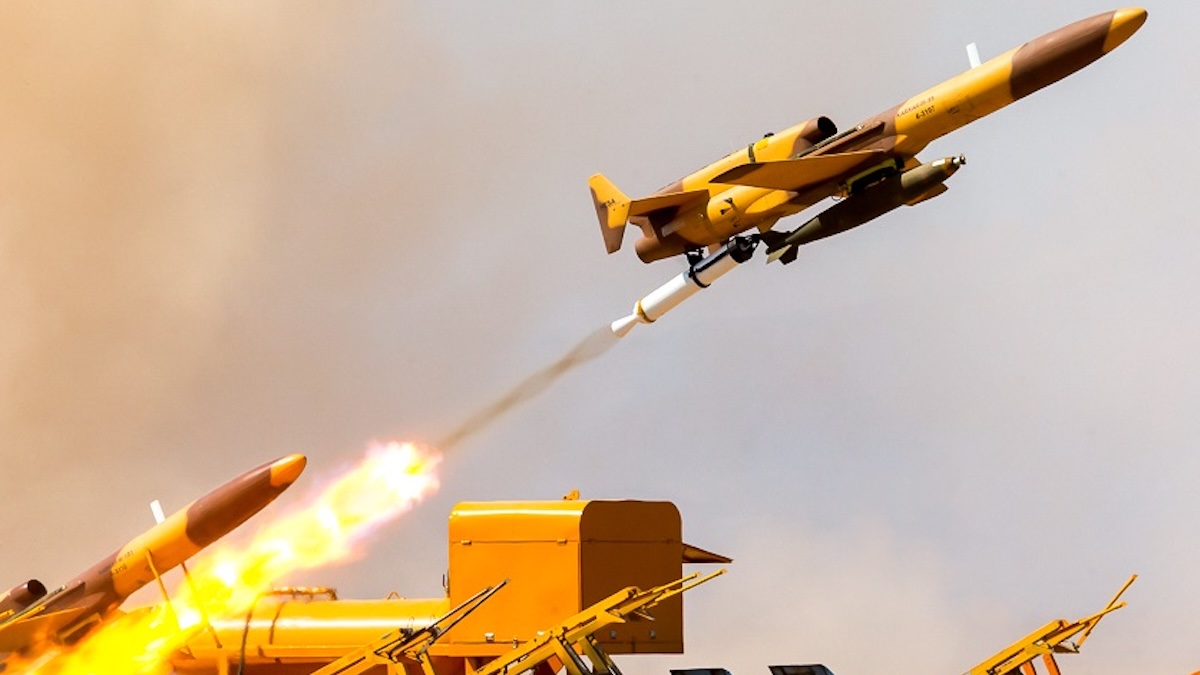
- Iran’s strikes are part of a deliberate asymmetric counterair campaign targeting U.S. airpower enablers—such as radar, communications, refueling tankers, and airborne warning systems—across Gulf bases to degrade U.S. operational capabilities without engaging in direct air superiority battles.
- This campaign highlights structural vulnerabilities in U.S. airpower, including reliance on aging tankers and airborne command platforms, fixed forward bases that are no longer sanctuaries, and limited capacity to absorb sustained attrition from cheap, precision strikes.
- The proliferation of long-range precision strike weapons and near-real-time intelligence has ended the era of sanctuary for U.S. airbases, requiring a shift toward dispersal, automation, and a three-dimensional approach to airpower that anticipates and counters adversaries’ asymmetric tactics.
- The U.S. Air Force must adapt by investing in automated, uncrewed support platforms, rethinking force posture, and enhancing resilience to sustain operations under persistent attack, as Iran’s campaign foreshadows future air warfare challenges from regional and peer competitors alike.


