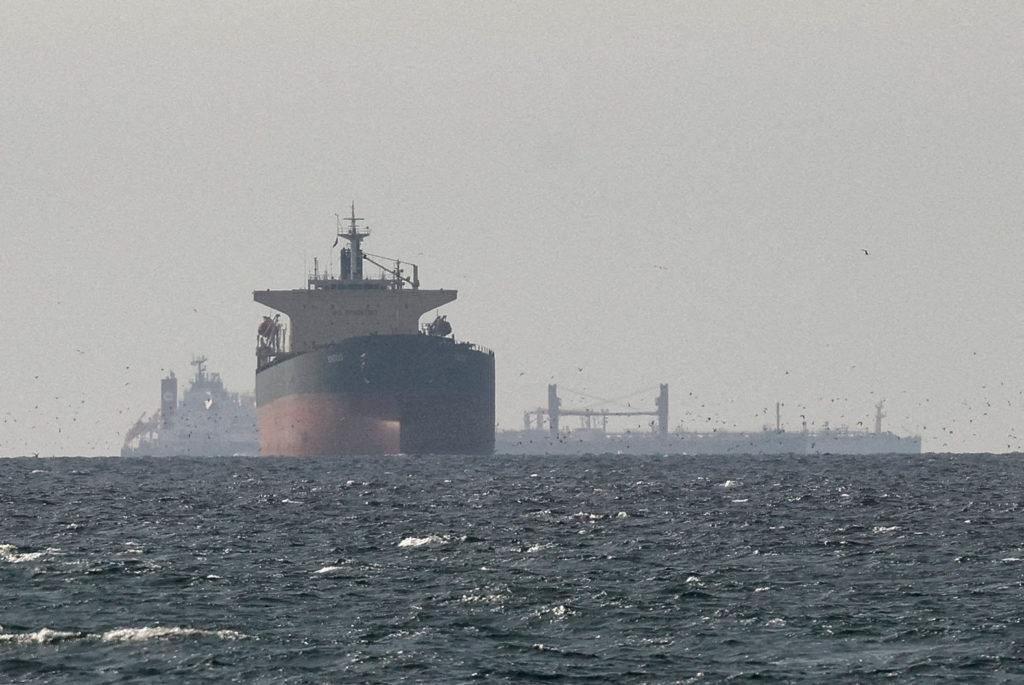
Iran's proposal to collect tolls in the Strait of Hormuz violates trade norms
PBS • • nation
Key Points:
- Iran has proposed charging tolls on vessels passing through the Strait of Hormuz, a strategic waterway through which 20% of the world’s oil is shipped, aiming to use the funds for reconstruction after the recent conflict.
- The proposal conflicts with the United Nations Law of the Sea Treaty, which guarantees innocent passage for peaceful ships without tolls, raising concerns about setting a precedent that could threaten global freedom of navigation.
- Neither Iran nor the United States have ratified the Law of the Sea Treaty, but international law still obliges them to respect customary rights of passage, and experts warn that allowing tolls could encourage other countries to restrict navigation in key straits.
- Reopening the strait without restrictions is crucial for the global economy, as it would restore significant oil supply, reduce prices, and diminish geopolitical advantages currently benefiting Russia due to elevated oil prices.
- Gulf oil producers, including Saudi Arabia, oppose Iran’s toll proposal, fearing it would cement Iranian control over the strait and financially empower the Islamic Revolutionary Guard Corps, which is considered a terrorist organization by the U.S. and EU.


