AI Image
New Treatment Cuts “Bad” Cholesterol in Half for a Full Year
SciTechDaily • • health
Key Points:
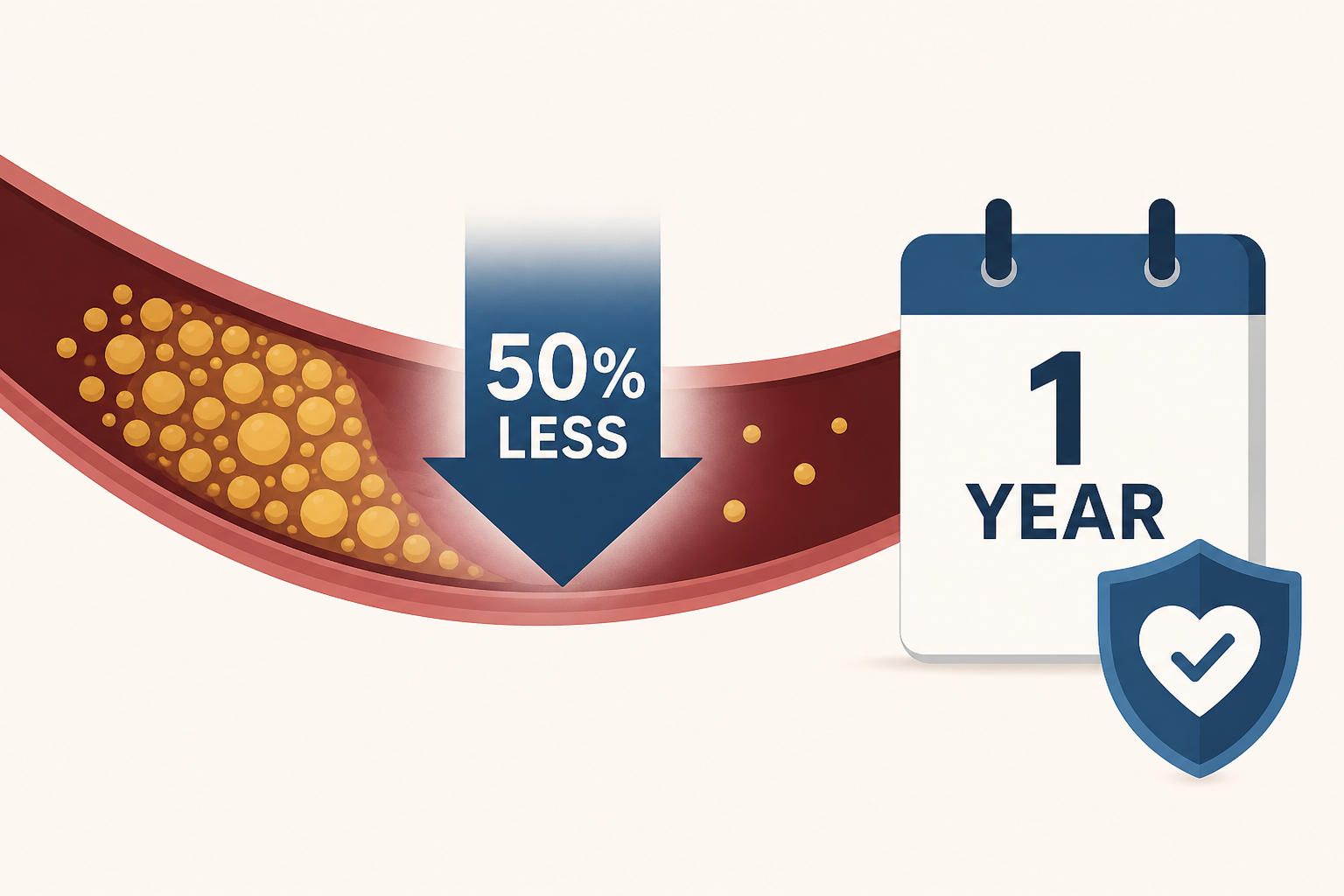
- An experimental CRISPR-Cas9 therapy called CTX310 showed a 52.5% reduction in LDL cholesterol and a 47.8% decrease in triglycerides 12 months after a single infusion in patients with medication-resistant lipid disorders.
- The therapy works by editing the ANGPTL3 gene in the liver, which regulates blood fats, using CRISPR-Cas9 technology to achieve sustained lipid-lowering effects.
- In a Phase 1 trial involving 15 patients, reductions in LDL cholesterol and triglycerides persisted across all doses for one year, with no serious adverse events related to the treatment reported during follow-up.
- Longer-term safety monitoring is planned for 15 years, following FDA recommendations for gene-editing therapies, and further studies with larger patient groups are needed to confirm these findings.
- The study was conducted by the Cleveland Clinic, funded by CRISPR Therapeutics AG, and results were published in the New England Journal of Medicine and presented at the 2026 European Society of Cardiology meeting.


