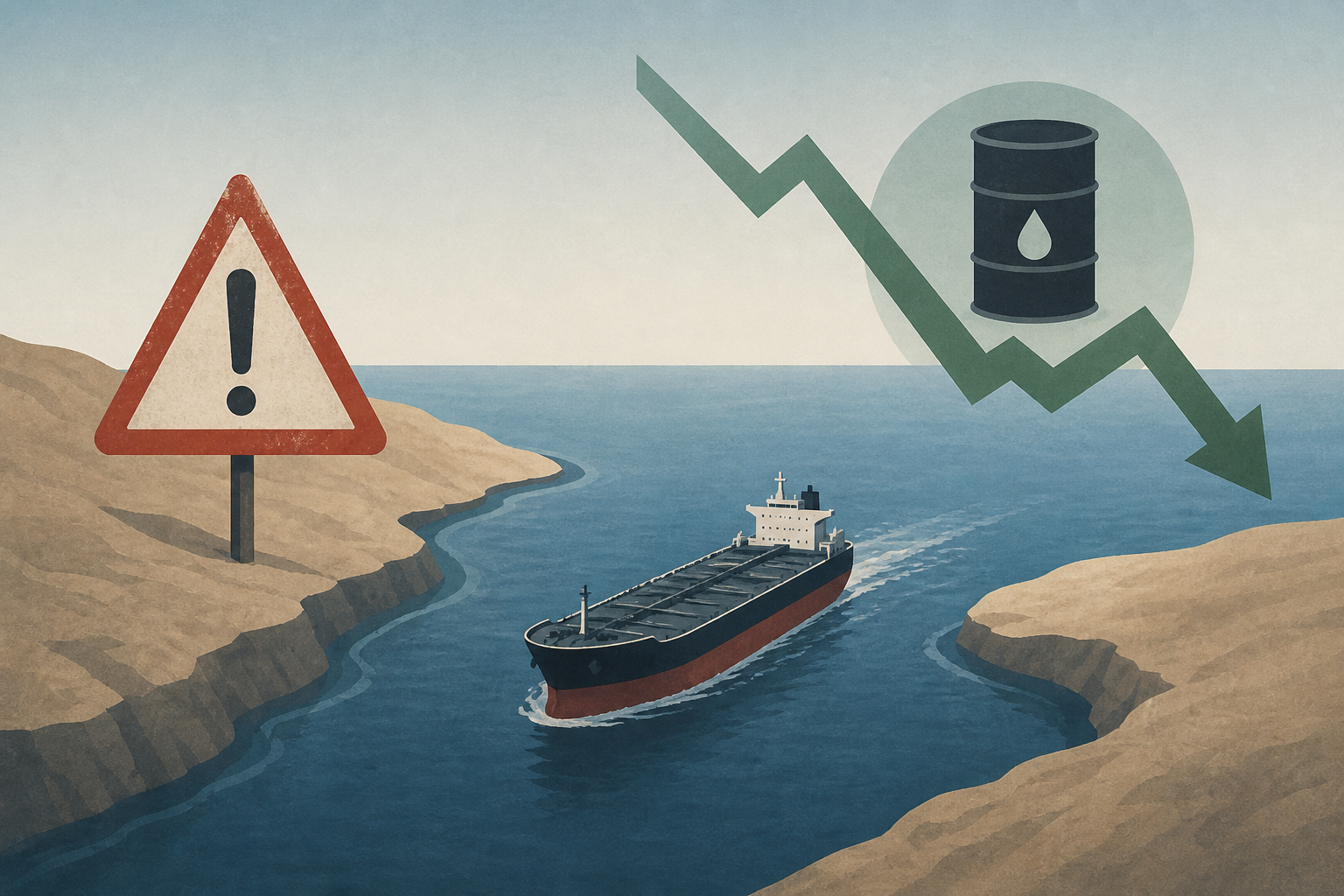
AI Generated Image
Oil tankers pass through the Strait of Hormuz despite Iran threats as traffic slowly picks up and oil prices fall
NBC News • • world
Key Points:
- Several oil tankers, including the Liberian-flagged Stoic Warrior and British-flagged World Prize, sailed out of the Strait of Hormuz on a UN-recommended route despite Iran's warnings against using routes not approved by Tehran.
- The initial 60-day US-Iran agreement to reopen the crucial waterway has eased energy markets but left unresolved issues such as traffic management and mine clearance, with shipping volumes still below prewar levels.
- Iran's Revolutionary Guard Navy condemned the UN route close to its coastline as "highly dangerous and prohibited," threatening to deal with any violating vessels, complicating maritime navigation in the area.
- The UK Maritime Trade Operations Centre reported an incident where a cargo vessel off Oman was hit by an unknown projectile, causing bridge damage but no casualties, underscoring ongoing security risks.
- Despite cautious ship movements and geopolitical tensions, about 35 million barrels of oil have passed through the strait since the deal, helping lower Brent crude prices from $126 to around $72 per barrel, though full production recovery may take weeks.


![Apple Store is down: 'We’re making updates,' Apple says [Update: Back online]](https://media-cdn.cashwalklabs.io/https%3A%2F%2Fs3.us-west-2.amazonaws.com%2Fimages.cashwalklabs.io%2F0_admin%2Fnews-ai-images%2F019eff50-b84d-74e8-b323-fd285ceebf72.webp?format=webp&w=120&h=80)


