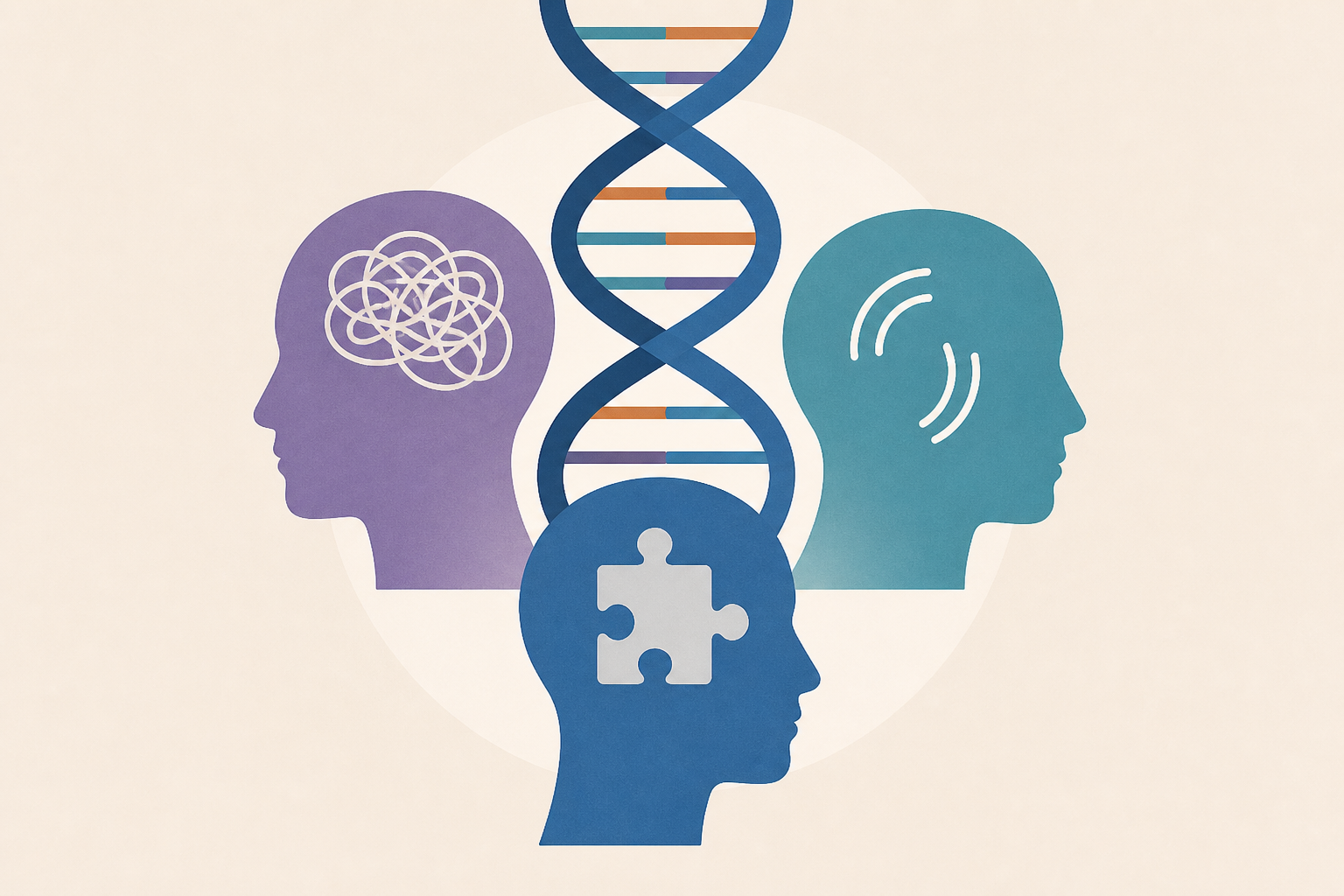
AI Generated Image
Scientists Uncover Shared Genetic Roots of OCD, Tourette Syndrome, And Autism
Yahoo • • health
Key Points:
- Researchers have identified 36 genes that significantly increase the risk of developing obsessive-compulsive disorder (OCD) and chronic tic disorders (CTDs), a substantial increase from the previously known four "high-confidence" genes.
- The study, published in Nature Neuroscience and led by Rutgers University, analyzed exome data from nearly 4,000 individuals, doubling previous sample sizes and revealing shared genetic risk factors between OCD and CTDs.
- Findings highlight dysfunction in the cortico-striato-thalamo-cortical brain circuit, with risk genes highly expressed in brain regions involved in cognition, impulse control, movement, and habit formation during prenatal and postnatal stages.
- The identified genes often act in networks rather than individually, increasing risk up to 210-fold, and show overlap with other neurodevelopmental disorders such as autism and schizophrenia, but not with unrelated conditions like congenital heart disease.
- This expanded genetic understanding opens new avenues for developing targeted therapies and personalized treatments for OCD, CTDs, and related neurodevelopmental disorders, marking a significant advance in the field.


