Shoplifting, sex shows and sheepdog-breeding: great artists and the side-hustles they did to get by
The Guardian • • general
Key Points:
- Jean Genet, before becoming a renowned writer, invented a special briefcase to steal valuable books which he read and resold, exemplifying how many artists have historically resorted to unconventional side hustles to fund their creative pursuits.
- Aspiring artists often face financial challenges and engage in diverse side jobs—ranging from legal work to illicit activities—to support their art, highlighting the gap between artistic ambition and economic reality.
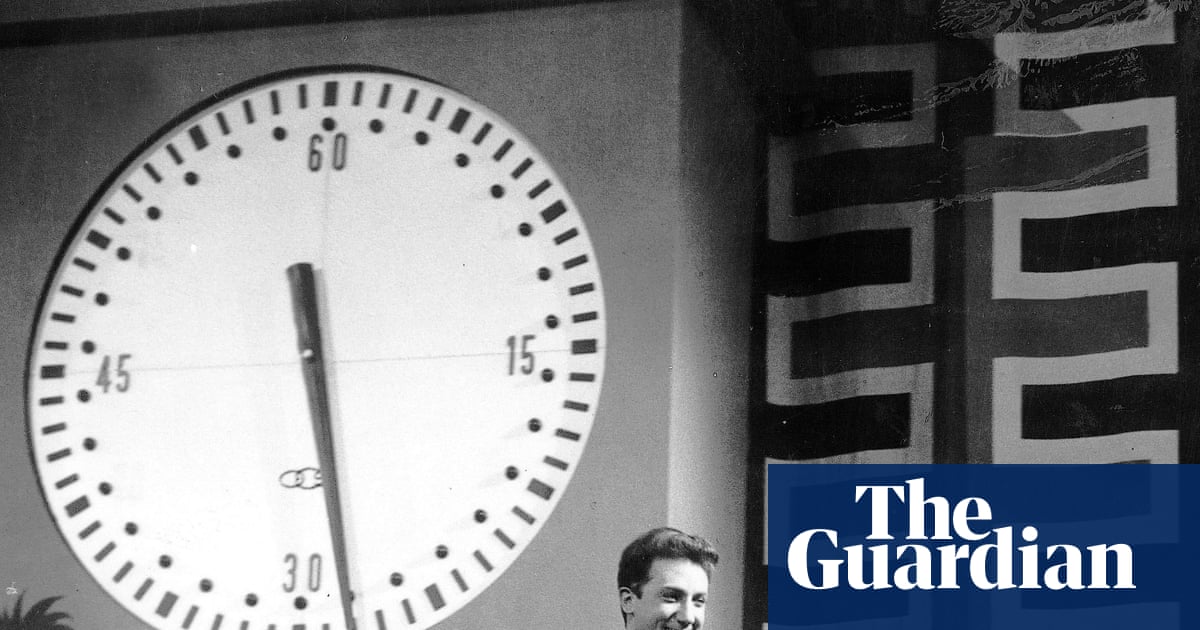
- Not all side hustles are illicit; for example, composer John Cage turned his hobby of mushroom foraging into a profitable venture by winning a European TV quiz show, using the earnings to support his music career.
- Many artists have struggled with side jobs that drain creative energy or become overwhelming, as seen with painter Grace Hartigan’s clerical work and Emily Carr’s boarding house management, which hindered their artistic output.
- The experiences and financial strategies artists employ to sustain themselves often influence their creativity and underscore that being an artist involves managing practical realities as much as talent or inspiration.


