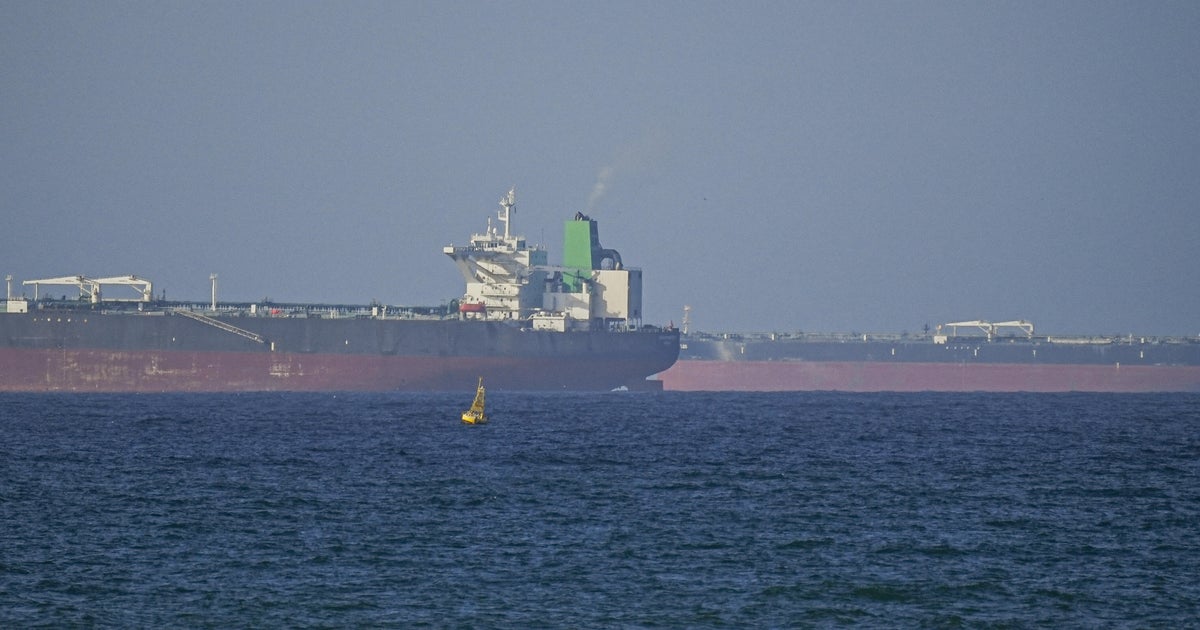
Strait of Hormuz still seeing significantly lower traffic despite Iran war ceasefire
CBS News • • general
Key Points:
- Since the U.S.-Iran ceasefire agreement, only about a dozen ships have passed through the Strait of Hormuz in two days, significantly below the pre-war average of 129 vessels per day.
- Iran initially agreed to allow vessel passage as part of the ceasefire, but later an Iranian military-linked news agency reported suspending traffic in response to Israeli attacks on Hezbollah, a claim disputed by the White House.
- The majority of ships passing through recently were cargo vessels, with only three oil or chemical tankers— all under U.S. sanctions—transiting on Thursday, carrying limited oil volumes compared to usual levels.
- Ship traffic through the strait plummeted from 74 vessels on the day the conflict began (Feb. 28) to an average of six per day in March, with a slight increase to 10 per day in early April.
- The Strait of Hormuz is a critical chokepoint for global oil supply, with about one-third of the world's seaborne crude (15 million barrels per day) typically passing through, but current traffic remains a fraction of normal levels.


