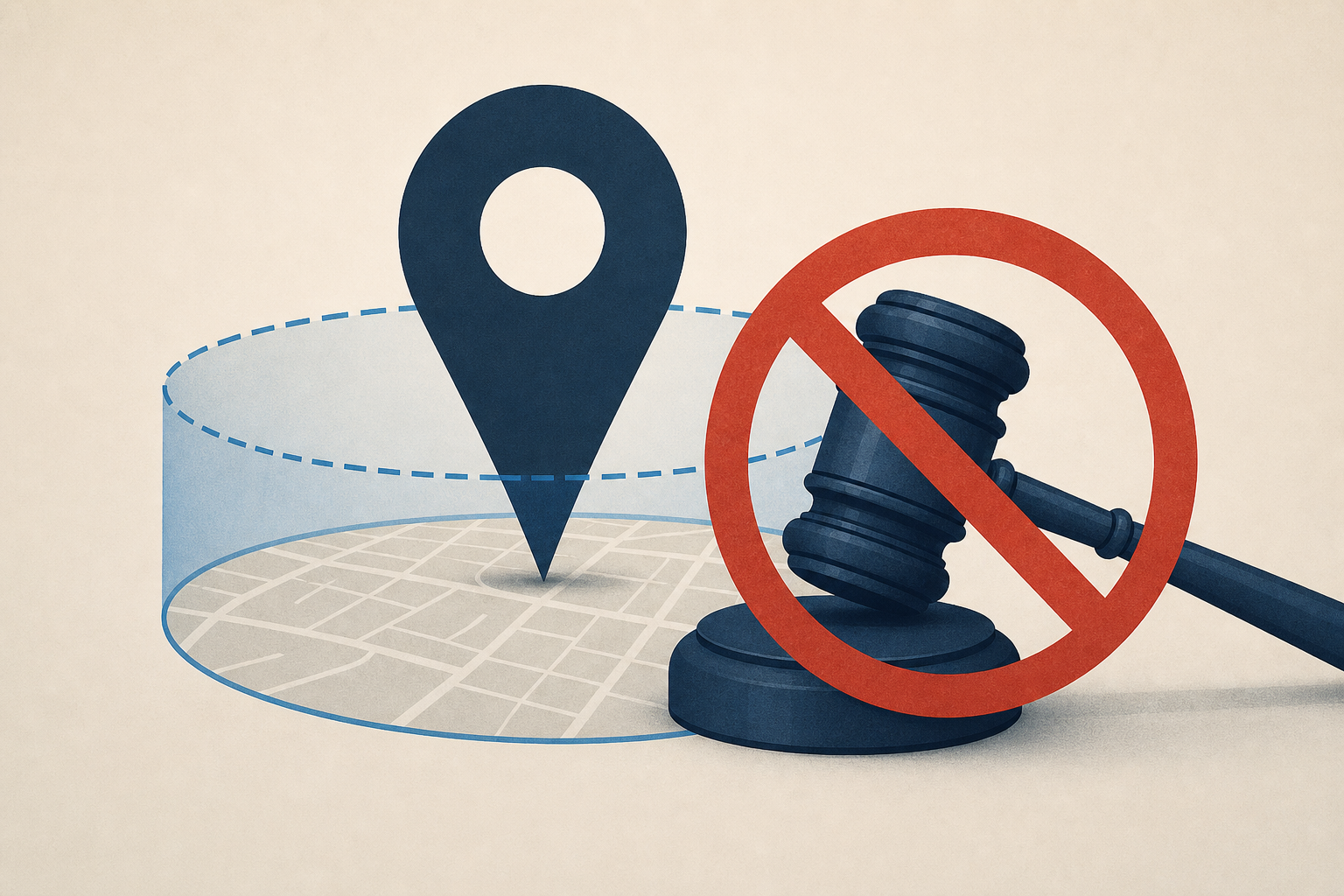
AI Generated Image
Supreme Court restricts use of geofence warrants
NPR • • nation
Key Points:
- The Supreme Court ruled 6-3 that geofencing, a law enforcement technique that uses tech companies' location data to identify potential suspects near a crime scene, violates the Fourth Amendment's protection against unreasonable searches.
- Geofence warrants involve drawing a virtual perimeter around a crime location and compelling companies like Google to provide data on all users within that area during a specified time frame.
- The case originated from a 2018 bank robbery in Richmond, Virginia, where police used a geofence warrant to identify and convict Okello Chatrie after finding location data and evidence linking him to the crime.
- The Court agreed with arguments that geofence warrants enable a "search first, develop suspicions later" approach, subjecting millions of innocent individuals to government searches without individualized suspicion.


