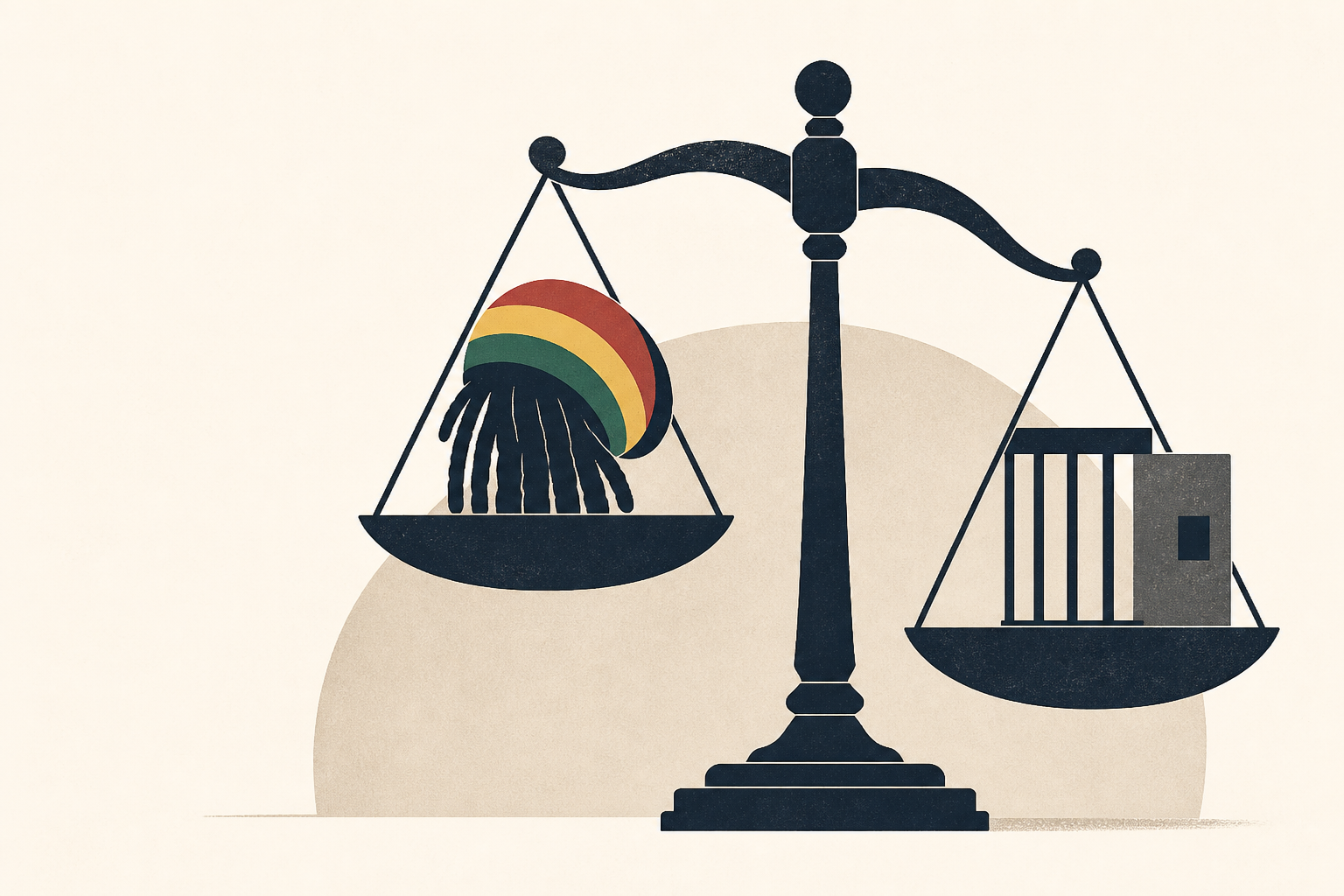
AI Generated Image
Supreme Court rules against Rastafarian man over religious rights claim against prison officials
NBC News • • general
Key Points:
- The Supreme Court ruled 6-3 that Damon Landor, a Rastafarian inmate, cannot seek damages under the Religious Land Use and Institutionalized Persons Act (RLUIPA) after Louisiana prison officials cut his dreadlocks against his religious beliefs.
- The conservative majority held that RLUIPA does not allow claims against individual officials unless they consent to liability, limiting prisoners' ability to sue for religious rights violations.
- The incident occurred in 2020 when Landor was forcibly shaved despite showing a court ruling protecting Rastafarian dreadlocks, violating his Nazirite vow practiced for 20 years.
- Liberal dissenters argued the ruling undermines prisoners' religious freedoms by removing a key legal remedy, potentially leaving inmates without recourse for blatant rights violations.
- Louisiana acknowledged the mistreatment and has since changed its grooming policy to prevent similar incidents, but the court sided with the state in limiting damages under RLUIPA.


