The Supreme Court Sapping Black Voting Power Was Not an Accident
Slate • • general
Key Points:
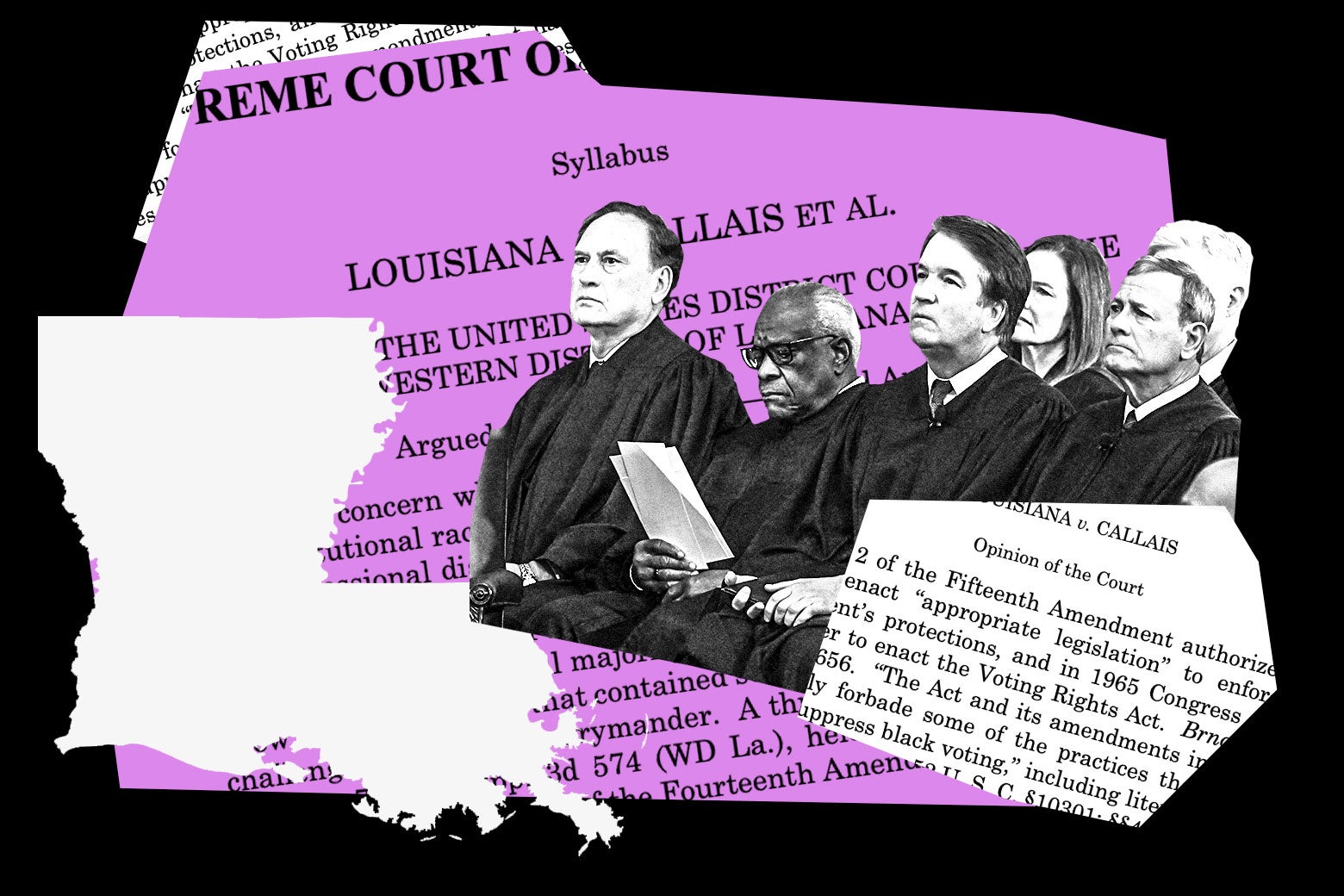
- The U.S. Supreme Court's recent ruling in Louisiana v. Callais reflects a judicial pattern that narrows the recognition and remedy of racial discrimination in voting, particularly affecting Black voters' political power.
- The Court shifted the interpretation of Section 2 of the Voting Rights Act from a results-based standard to one requiring explicit intent to discriminate, undermining protections against subtle, systemic racial vote dilution.
- This decision aligns with previous rulings by the same majority that have limited legal recourse for racial discrimination in various contexts, effectively maintaining structural racial inequalities under the guise of legal formalism.
- The ruling has immediate consequences, such as Tennessee's redistricting that fragments majority-Black communities, diluting their voting strength and political influence.
- The article argues that the Court's approach is a deliberate construction of constitutional doctrine that tolerates modern racial discrimination by demanding proof of overt intent, thereby perpetuating anti-Blackness in American democracy.


