AI Image
'We were inseparable': How imaginary friends help us in real life
BBC • • technology
Key Points:
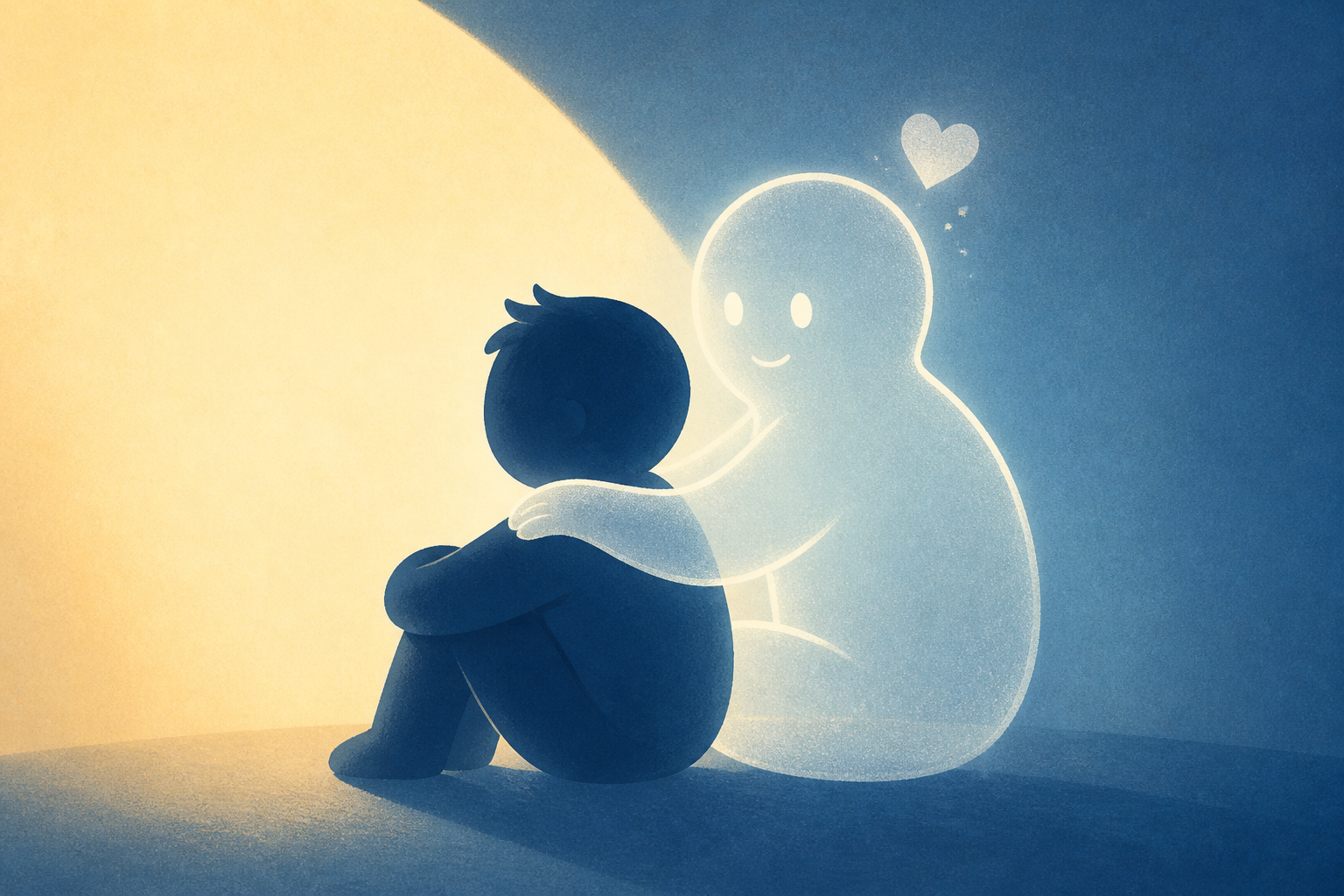
- Research shows that imaginary friends, common among two-thirds of children by age seven, offer benefits such as enhanced creativity, empathy, and social understanding, rather than indicating loneliness or lack of real friends.
- Imaginary companions help children, including those with autism, practice social interactions and navigate complex emotions and friendships in a safe, controlled environment.
- Studies suggest children with imaginary friends have better theory of mind and emotional understanding, enabling them to appreciate others' beliefs and intentions more deeply.
- Imaginary friends can persist into adolescence and adulthood, aiding in social functioning, emotional resilience, and work-related scenarios like rehearsing difficult conversations.
- While some imaginary companions fade with age, others evolve or reappear to support developmental needs, providing lasting comfort and guidance throughout life.


