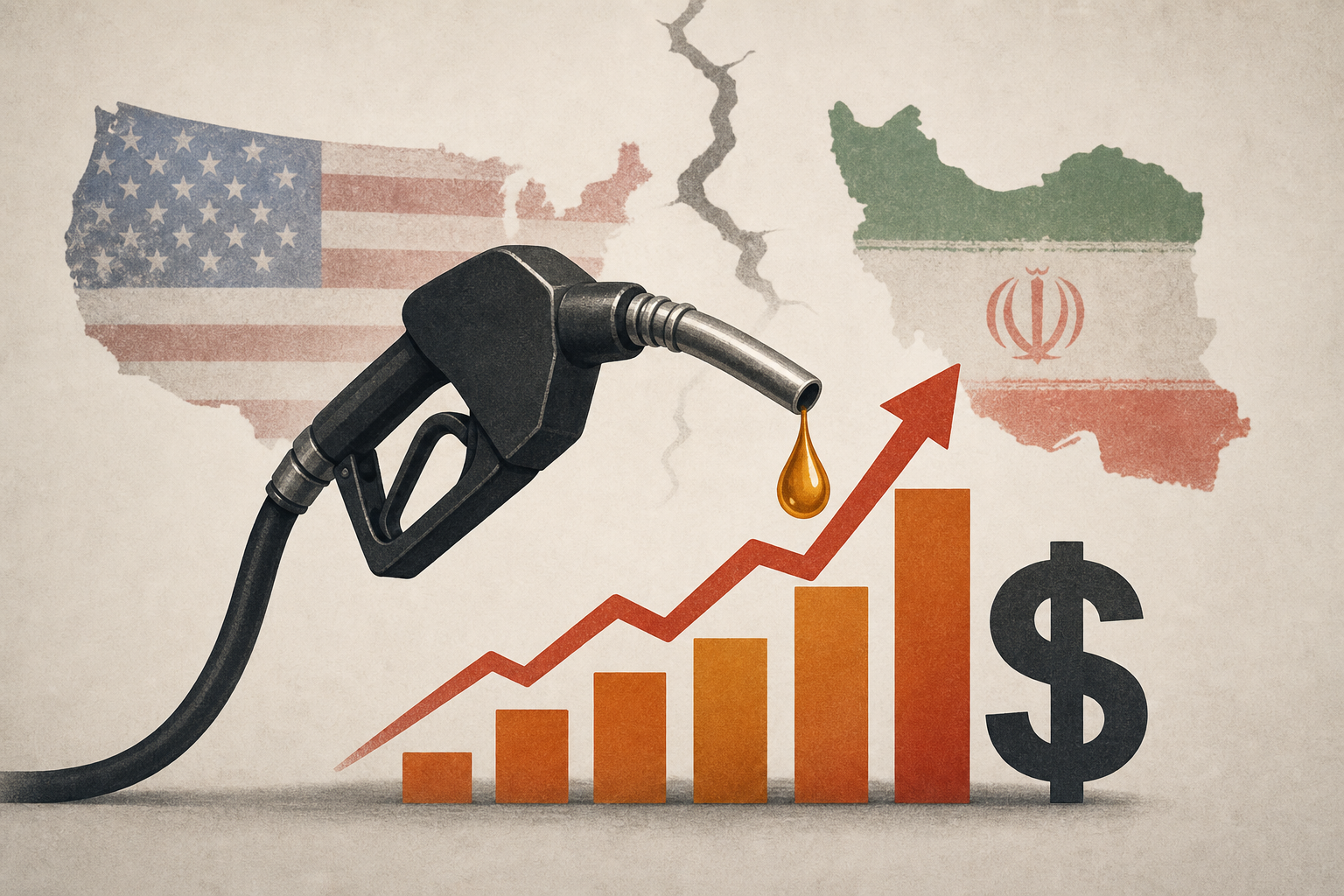
AI Generated Image
What renewed US-Iran hostilities might mean for fuel prices
AP News • • business
Key Points:
- Oil prices surged to their highest levels in weeks after President Trump declared the U.S. ceasefire with Iran over, raising concerns about potential disruptions to tanker traffic through the Strait of Hormuz and subsequent fuel price increases.
- U.S. gasoline prices rose slightly to an average of $3.80 per gallon but remain below last month's average of $4.16, with refiners and gas stations absorbing some costs amid supply chain delays.
- The U.S. Strategic Petroleum Reserve is at its lowest level since 1983, limiting the government's ability to counter future oil price spikes amid ongoing geopolitical tensions.
- Shipping through the Strait of Hormuz has become riskier following attacks on commercial vessels, prompting international calls for caution and some ships to avoid broadcasting their locations to enhance safety.
- Despite heightened tensions, experts suggest the ceasefire may still hold intermittently, with ongoing negotiations between the U.S. and Iran offering a potential path to de-escalation, though recent instability threatens shipping routes like the Suez Canal.


