AI Image
What Vucic’s defeat means for Serbia’s foreign policy
Al Jazeera • • general
Key Points:
- Serbia's recent election ended 14 years of authoritarian rule by Aleksandar Vucic and the Serbian Progressive Party, marking a historic victory for the opposition Student List and signaling a major political shift.
- Experts predict that the new government will prioritize domestic reforms, including cleaning up democratic institutions and judiciary issues, before addressing strained regional relations with neighbors like Croatia, Bosnia and Herzegovina, Montenegro, and Kosovo.
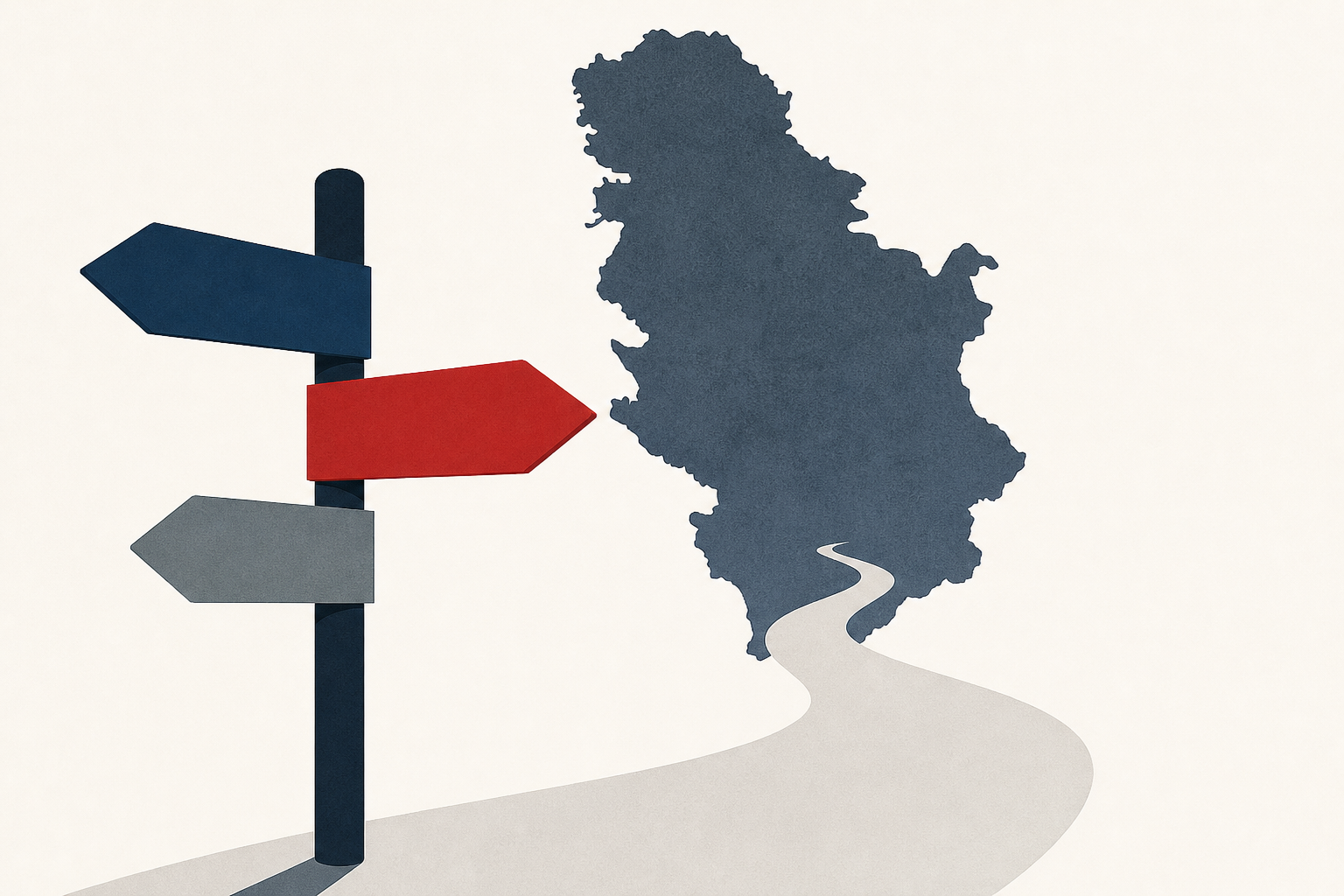
- While Serbia's foreign policy may gradually shift, especially regarding relations with Russia and the West, analysts believe significant changes will be slow, as many institutional structures remain intact and Serbia continues to balance its interests, including energy needs and unresolved disputes.
- Serbia’s close ties with Israel will likely continue but face scrutiny, particularly concerning recent arms and technology agreements, with future relations also influenced by political developments in Israel.
- Overall, Serbia is expected to focus on internal consolidation and reforms rather than rapid geopolitical realignments, with hopes that improved neighborly relations will support its ambitions for European Union integration.


